
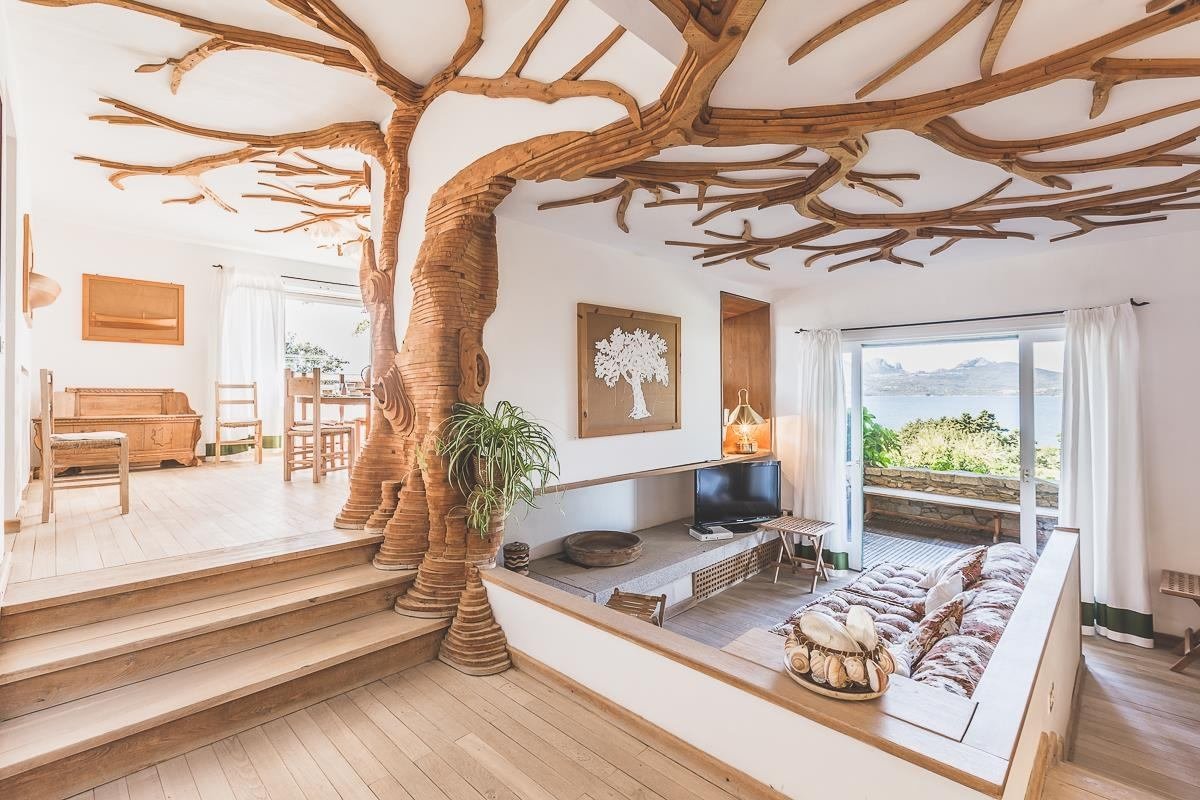
Introduction
A well-decorated room can make a home feel more comfortable, organized, attractive, and functional. However, choosing the right colors, furniture, lighting, accessories, and layout can sometimes feel difficult. This is where a room decoration service can be helpful.
A room decoration service provides professional guidance and practical solutions for improving a space. Depending on your needs and budget, a decorator may help with planning, furniture placement, color selection, lighting, wall decor, storage, and final styling.
Whether you want to refresh a bedroom, redesign a living room, improve a small space, or prepare a room for a special occasion, professional decoration support can make the process easier.
What Is a Room Decoration Service?
A room decoration service is a professional service that helps homeowners or renters improve the appearance and functionality of a room.
The service may include:
- Room planning and layout suggestions
- Furniture selection and arrangement
- Wall color recommendations
- Lighting ideas
- Curtains, rugs, and accessories
- Storage and organization solutions
- Artwork and mirror placement
- Bedroom or living room styling
- Budget-friendly decoration ideas
- Final room setup and finishing touches
Some decorators offer complete room makeovers, while others provide consultation or help with only one part of the project.
Benefits of Hiring a Room Decoration Service
1. Professional Design Guidance
A professional decorator can help you choose colors, furniture, textures, and accessories that work well together. This can reduce confusion and help create a balanced look.
2. Better Use of Space
A room may look crowded because furniture is too large or arranged incorrectly. A decorator can suggest a better layout that improves movement and makes the room more practical.
3. Saves Time
Planning a room makeover can take many hours. A room decoration service can help organize the process, shortlist suitable products, and create a clear decorating plan.
4. Fewer Costly Mistakes
Buying furniture or paint colors without planning can lead to unnecessary expenses. Professional advice may help you avoid unsuitable purchases and improve your budget decisions.
5. Personalized Results
A good decorator considers your lifestyle, preferences, room size, and daily needs. The final design should reflect how you use the room rather than simply copying a trend.
6. Improved Comfort
The right lighting, furniture arrangement, fabrics, and colors can make a room feel more comfortable and welcoming.
Types of Room Decoration Services
Bedroom Decoration Service
Bedroom decoration focuses on comfort, relaxation, storage, and personal style. Common services include:
- Bed placement
- Headboard selection
- Bedside lighting
- Wardrobe organization
- Curtains and bedding
- Accent walls
- Mirrors
- Soft rugs
- Decorative cushions
- Calm color schemes
A bedroom should have enough open space for movement and a relaxing atmosphere for rest.
Living Room Decoration Service
Living room decoration usually focuses on seating, conversation areas, entertainment, and visual balance.
A decorator may help with:
- Sofa and chair placement
- Coffee table selection
- TV wall design
- Lighting
- Curtains
- Rugs
- Wall art
- Shelving
- Decorative accessories
- Accent colors
The goal is to create a room that looks attractive while remaining comfortable for everyday use.
Small Room Decoration Service
Small rooms require careful planning. A decorator may recommend:
- Multifunctional furniture
- Wall-mounted shelves
- Light colors
- Mirrors
- Slim furniture
- Furniture with hidden storage
- Foldable desks or tables
- Vertical storage
- Clear walking paths
Using fewer but more useful pieces can help a small room feel less crowded.
Home Office Decoration Service
A home office should support concentration and organization. A decoration service may include:
- Desk placement
- Comfortable chair selection
- Cable organization
- Task lighting
- Storage shelves
- Background styling
- Space-saving furniture
- Better natural light use
A practical home office should look attractive without becoming distracting.
Children’s Room Decoration Service
Children’s rooms need safe, flexible, and easy-to-maintain designs. Important features may include:
- Safe furniture placement
- Rounded furniture edges where appropriate
- Accessible storage
- Washable fabrics
- Study areas
- Play zones
- Flexible lighting
- Age-appropriate colors and themes
The room should be designed so it can adapt as the child grows.
How a Room Decoration Service Works
Step 1: Initial Consultation
The decorator usually discusses your goals, preferred style, budget, room size, and practical needs.
You may be asked about:
- Your favorite colors
- Furniture you already own
- The room’s main purpose
- Storage problems
- Preferred design style
- Your expected budget
- Any deadlines
Step 2: Room Assessment
The decorator reviews the room’s measurements, windows, doors, electrical points, natural light, and existing furniture.
Accurate measurements are important because they help prevent furniture from being too large or blocking important pathways.
Step 3: Design Concept
The decorator may prepare a design concept showing:
- Suggested color palette
- Furniture arrangement
- Lighting plan
- Material ideas
- Decorative style
- Storage solutions
- Possible furniture options
Some services may also provide mood boards, sketches, or digital room visuals.
Step 4: Product and Material Selection
The decorator helps select suitable items such as:
- Paint
- Wallpaper
- Furniture
- Curtains
- Rugs
- Lighting fixtures
- Mirrors
- Artwork
- Decorative accessories
The selected products should match the room’s size, function, and budget.
Step 5: Installation or Styling
Depending on the service package, the decorator may arrange furniture, hang artwork, place accessories, install curtains, or coordinate with other professionals.
Electrical, structural, and specialist installation work should be completed by appropriately qualified professionals.
Step 6: Final Review
The final stage involves checking whether the room meets your expectations. Small changes may include moving furniture, adjusting lighting, adding storage, or removing unnecessary accessories.
Popular Room Decoration Styles
Modern Style
Modern rooms often use clean lines, simple furniture, neutral colors, and limited decoration. The design usually focuses on practicality and visual simplicity.
Minimalist Style
Minimalist decoration uses fewer items and emphasizes open space, useful furniture, and a calm atmosphere.
Traditional Style
Traditional rooms may include classic furniture, patterned fabrics, warm colors, decorative woodwork, and timeless accessories.
Scandinavian Style
Scandinavian-inspired rooms often use light colors, natural materials, simple furniture, and comfortable textiles.
Bohemian Style
Bohemian decoration may include layered fabrics, plants, artwork, patterned rugs, and a mix of textures.
Industrial Style
Industrial rooms often feature metal details, exposed textures, dark accents, wood, and practical furniture.
Contemporary Style
Contemporary decoration combines current design ideas with comfortable furniture, balanced colors, and practical details.
Room Decoration Ideas on a Budget
You do not always need expensive furniture to improve a room. Consider these affordable ideas:
- Rearrange the existing furniture.
- Add a fresh coat of paint.
- Replace old cushion covers.
- Use curtains that suit the room’s colors.
- Add a simple rug.
- Install attractive wall shelves.
- Display family photos or artwork.
- Add indoor plants.
- Improve bedside or desk lighting.
- Use baskets for organization.
- Replace outdated cabinet handles.
- Add a large mirror.
- Create one accent wall.
- Declutter unnecessary items.
- Use decorative trays to organize small objects.
Small improvements can make a noticeable difference when they are planned carefully.
How to Choose the Right Room Decoration Service
Review Previous Work
Look at the decorator’s previous projects. Pay attention to room layouts, color combinations, furniture choices, and finishing quality.
Check the Service Package
Ask whether the service includes consultation, design planning, product selection, installation, shopping assistance, or final styling.
Discuss the Budget Clearly
Explain your budget before work begins. Ask for an estimated cost and clarify whether design fees, delivery, installation, and materials are included.
Ask About the Timeline
Find out how long the project may take and whether the decorator will coordinate with suppliers or installers.
Consider Your Personal Style
Choose a decorator who understands your preferences. A beautiful room should still feel comfortable and suitable for your lifestyle.
Read Reviews Carefully
Customer reviews can help you understand communication, reliability, punctuality, and overall service quality.
Request a Written Agreement
A written agreement should explain the scope of work, fees, materials, timeline, revisions, and responsibilities.
Questions to Ask Before Hiring a Decorator
Before choosing a room decoration service, ask:
- What services are included?
- Do you offer a consultation first?
- Can you work within my budget?
- Do you provide room measurements and layout planning?
- Will you help select furniture and accessories?
- Are installation costs included?
- How many design revisions are allowed?
- How long will the project take?
- Do you work with contractors or installers?
- Can you reuse some of my existing furniture?
- What happens if a product is unavailable?
- Will I receive a written quotation?
These questions can help prevent misunderstandings later.
Common Room Decoration Mistakes
Choosing Furniture That Is Too Large
Large furniture can reduce walking space and make a room feel crowded. Always measure the room and furniture before purchasing.
Using Too Many Colors
A room can look unbalanced when many unrelated colors are used. Choose a main color, one or two supporting colors, and a few accent shades.
Ignoring Lighting
Even attractive furniture may not look its best under poor lighting. Use a combination of general, task, and accent lighting where possible.
Blocking Windows
Furniture should not unnecessarily block natural light or make windows difficult to open.
Buying Accessories Without a Plan
Too many decorative items can create clutter. Choose accessories that support the room’s style and purpose.
Following Trends Blindly
Trends can be inspiring, but they may not suit every room. Prioritize comfort, function, and your personal preferences.
Forgetting Storage
A room can quickly become untidy without enough storage. Include shelves, cabinets, baskets, drawers, or multifunctional furniture.
Room Decoration Service Cost Factors
The cost of a room decoration service can vary depending on several factors:
- Room size
- Design complexity
- Location
- Decorator experience
- Type of service
- Furniture and material quality
- Installation requirements
- Number of rooms
- Project timeline
- Custom furniture or built-in storage
A consultation-only service will usually involve different costs from a complete room makeover. Request a detailed quotation before making a decision.
How to Prepare Your Room Before the Service
You can make the decorating process easier by preparing in advance:
- Remove unnecessary items.
- Make a list of furniture you want to keep.
- Take basic room measurements.
- Collect inspiration images.
- Decide on a realistic budget.
- Identify storage problems.
- Write down your practical needs.
- Photograph the current room.
- Protect valuable or fragile items.
- Discuss any special requirements with the decorator.
Good preparation can help the decorator understand your goals more clearly.
Frequently Asked Questions
What does a room decoration service include?
It may include room planning, furniture arrangement, color selection, lighting ideas, accessories, storage solutions, product selection, and final styling. The exact services depend on the provider.
Is a room decoration service worth it?
It can be useful if you need professional guidance, have limited time, feel unsure about design decisions, or want to avoid expensive decorating mistakes.
Can a decorator work with existing furniture?
Yes. Many decorators can reuse existing furniture and improve the room through better placement, new textiles, lighting, wall decor, and organization.
Can I hire a decorator for only one room?
Yes. Many room decoration services offer single-room consultations or complete makeovers for bedrooms, living rooms, offices, and other spaces.
How can I decorate a room without spending much money?
Start with decluttering, rearranging furniture, improving lighting, changing textiles, adding plants, using wall art, and choosing a small number of useful accessories.
What is the difference between a decorator and an interior designer?
A decorator usually focuses on colors, furniture, fabrics, accessories, and visual styling. An interior designer may also work on space planning, technical layouts, materials, and more complex design requirements. The exact responsibilities can vary.
Final Thoughts
A room decoration service can help transform an ordinary room into a comfortable, attractive, and practical space. From choosing a color palette and arranging furniture to improving lighting and adding storage, professional guidance can make the decorating process more organized.
The best result comes from combining good design with your personal needs. Before hiring a service, review previous work, discuss your budget, confirm the included services, and request a clear written quotation.
With thoughtful planning, even a small or outdated room can become a welcoming space that feels truly suited to your home and lifestyle.