
What Are the Main Kitchen Sink Parts?
A kitchen sink is more than just the visible basin. It includes several parts that work together to hold water, drain wastewater, and supply fresh water.
The main kitchen sink parts are:
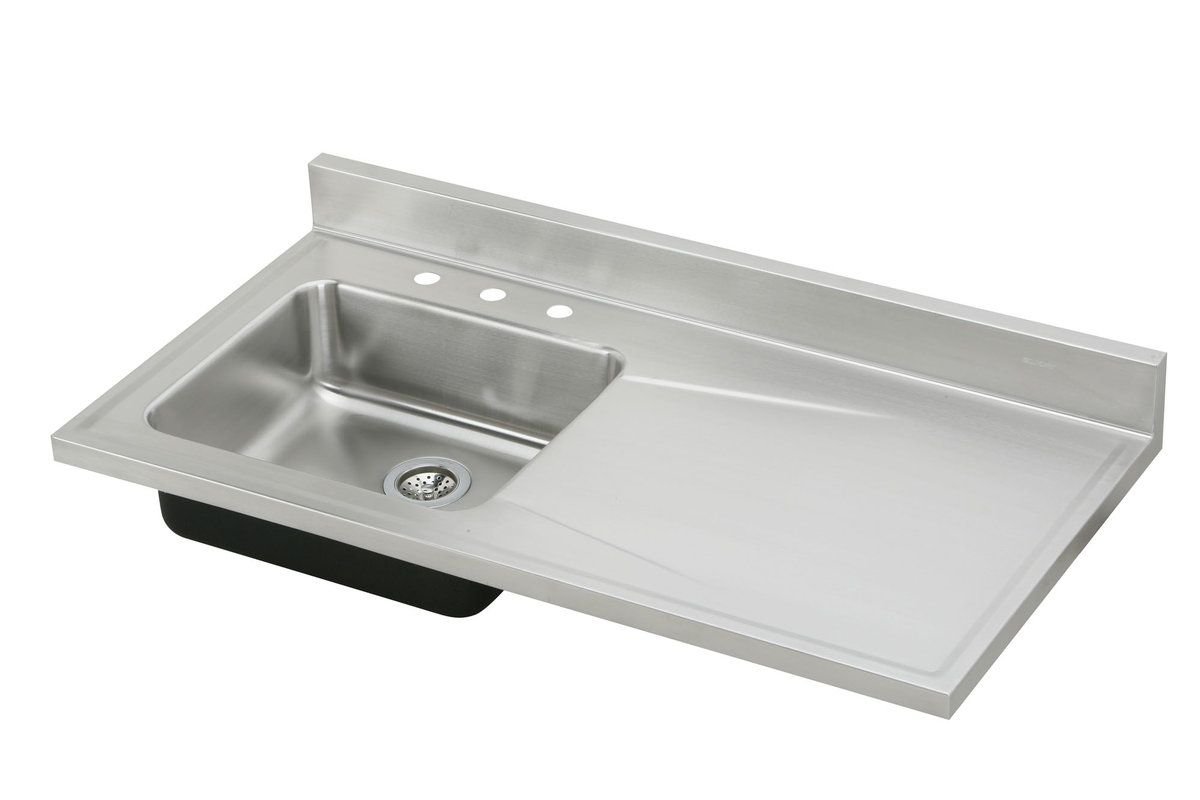
- Sink basin
- Faucet
- Drain opening
- Sink strainer
- Drainpipe
- P-trap
- Water supply lines
- Shut-off valves
- Faucet aerator
- Garbage disposal, where installed
Understanding these parts makes it easier to clean the sink, identify problems, or replace a damaged component.
1. Sink Basin
The basin is the main part of the sink where you wash dishes, vegetables, and other items.
Kitchen sinks can have:
- Single bowls
- Double bowls
- Triple bowls
- Deep or shallow bowls
A single-bowl sink gives you one large washing area, while a double-bowl sink separates the washing and rinsing areas.
2. Kitchen Faucet
The faucet supplies water to the sink.
Common kitchen faucet types include:
- Pull-down faucets
- Pull-out faucets
- Single-handle faucets
- Two-handle faucets
- Touchless faucets
When choosing a faucet, check that its size and mounting arrangement are compatible with your sink or countertop.
For a broader look at kitchen components, see our guide to Parts of the Kitchen.
3. Drain Opening
The drain opening is located at the bottom of the sink basin. Water flows through this opening after you finish washing.
The opening connects the sink to the drain assembly underneath.
If water drains slowly, the problem may be related to the strainer, drainpipe, or trap rather than the basin itself.
4. Sink Strainer
The sink strainer fits inside the drain opening.
Its main job is to allow water to pass while helping prevent larger food particles and debris from entering the plumbing.
Keeping the strainer clean can help reduce drainage problems.
5. Drainpipe
The drainpipe carries wastewater away from the sink.
It connects the drain assembly to the plumbing system under the counter.
Because this area is hidden inside the cabinet, a loose connection may not be noticed until you see water collecting underneath the sink.
6. P-Trap
The P-trap is the curved section of pipe beneath the sink.
It holds a small amount of water, which helps prevent sewer gases from coming back through the drain.
The curved shape also makes the trap an accessible point for dealing with certain blockages.
7. Water Supply Lines
Water supply lines connect the faucet to the home’s hot and cold water supply.
Most kitchen faucets use separate connections for hot and cold water, although some modern faucet designs use a single supply connection depending on the system.
If a supply connection leaks, water may collect inside the cabinet.
8. Shut-Off Valves
Shut-off valves control the water supply going to the faucet.
They are usually located underneath the sink.
Knowing where these valves are is useful because you can turn off the water before replacing a faucet or dealing with a leaking supply connection.
9. Faucet Aerator
The aerator is a small component at the end of many faucets.
It mixes air with the water stream and can help create a smoother flow.
If the water stream becomes uneven or weak, a dirty aerator can sometimes be the cause.
10. Garbage Disposal
Some kitchen sinks have a garbage disposal installed beneath the drain.
It is designed to process certain food waste before it enters the drain system.
Not every kitchen has one, so this is an optional sink component rather than a standard part of every installation.
How Kitchen Sink Parts Work Together
The basic system is easy to understand:
Water supply → Faucet → Sink basin → Strainer → Drain → P-trap → Household drain system
When you turn on the faucet, water enters the basin. After use, it passes through the drain opening and strainer, travels through the drainpipe and P-trap, and then continues into the home’s wastewater system.
This simple flow helps you identify where a problem might occur.
Common Kitchen Sink Problems
Slow drainage
Possible causes include debris around the strainer, a blockage in the drain, or buildup in the trap.
Water under the sink
Check the faucet supply connections, drain connections, and P-trap for signs of leakage.
Weak faucet flow
A dirty aerator or a supply issue can sometimes reduce water flow.
Bad smell from the drain
Food debris or buildup in the drain area can contribute to unpleasant odors. Cleaning the strainer and surrounding drain area regularly can help.
How to Keep Kitchen Sink Parts in Good Condition
A few simple habits can protect your sink system:
- Clean the strainer regularly.
- Avoid putting unsuitable food waste down the drain.
- Check underneath the sink for leaks occasionally.
- Clean the faucet aerator when water flow becomes uneven.
- Do not use excessive force on plumbing connections.
- Keep the area underneath the sink dry and accessible.
If you’re planning the rest of your kitchen, you can also explore our guides to Kitchen Design Ideas and Kitchen Organization Ideas.
Kitchen Sink Parts: Quick Reference
| Part | Main Function |
|---|---|
| Basin | Holds water and provides the washing area |
| Faucet | Supplies water |
| Drain opening | Allows used water to leave the basin |
| Strainer | Helps catch larger debris |
| Drainpipe | Carries wastewater away |
| P-trap | Holds water and helps block sewer gases |
| Supply lines | Deliver hot and cold water |
| Shut-off valves | Control water supply |
| Aerator | Helps shape the faucet water stream |
| Garbage disposal | Processes certain food waste where installed |
Frequently Asked Questions
What is the most important part of a kitchen sink?
The basin is the main visible component, but the sink depends on several connected parts—including the drain, strainer, plumbing, and faucet—to work properly.
What is the curved pipe under a kitchen sink called?
It is called a P-trap. Its water-filled curve helps prevent sewer gases from entering through the drain.
What part stops food from going down the sink drain?
The sink strainer helps catch larger food particles and debris before they enter the drain.
Why is water leaking underneath my kitchen sink?
Common areas to inspect include the faucet connections, drain assembly, supply lines, and P-trap. If you cannot identify the source safely, a qualified plumber can inspect the plumbing.
Final Thoughts
Knowing the basic kitchen sink parts makes everyday maintenance much easier. The basin, faucet, drain, strainer, P-trap, supply lines, and shut-off valves each have a specific job.
You don’t need to understand every detail of household plumbing to maintain a sink. Knowing the names and functions of the main components is enough to recognize common problems and explain them clearly when a repair is needed.