
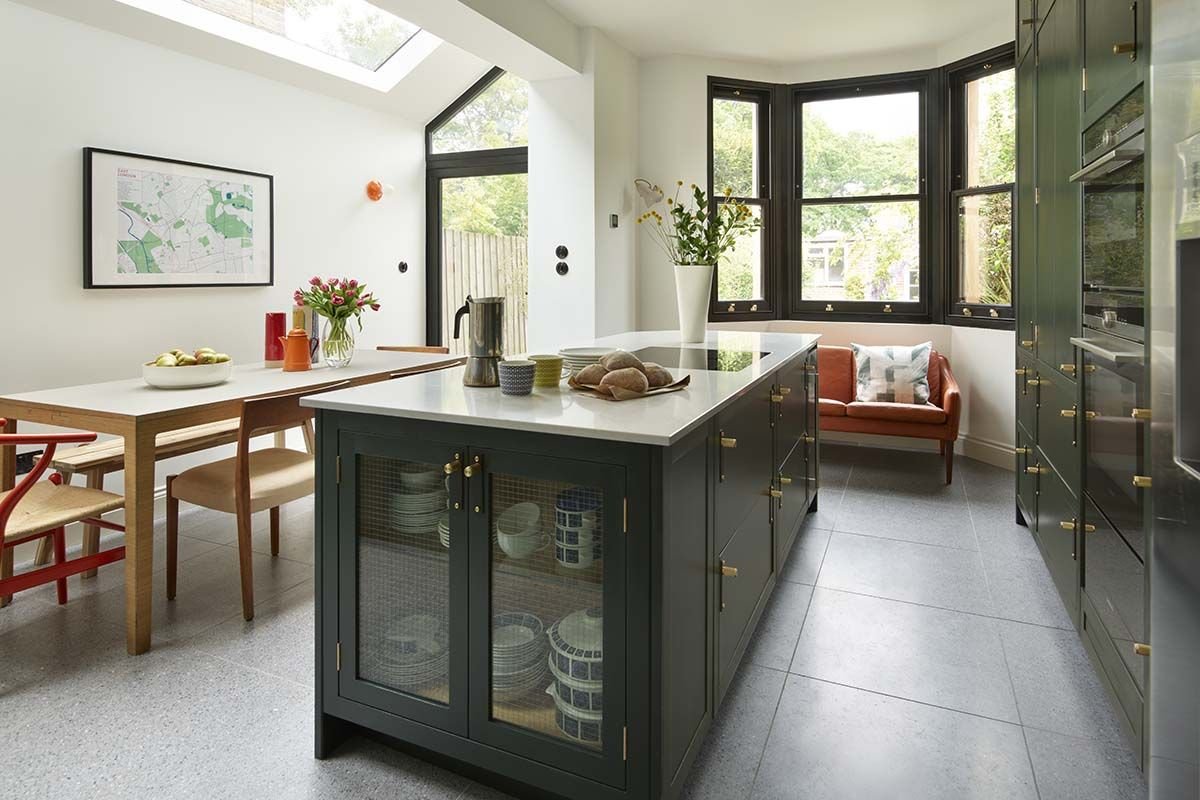
A well-organized kitchen makes cooking, cleaning, and daily routines much easier. When every item has a proper place, you can find what you need quickly and keep your countertops clear.
Whether you have a large kitchen, a small apartment kitchen, or a busy family cooking space, simple organization changes can make a major difference. You do not always need expensive cabinets or a complete remodel. Smart storage solutions, useful containers, and better planning can help you create a more functional kitchen.
In this guide, you will discover 27 practical kitchen organization ideas to reduce clutter, improve storage, and make your kitchen easier to use.
What Makes a Well-Organized Kitchen?
A well-organized kitchen should be:
- Easy to clean
- Simple to move around in
- Convenient for everyday cooking
- Free from unnecessary clutter
- Designed around your daily habits
- Equipped with accessible storage
- Easy for every family member to use
The best organization system is one that saves time and makes frequently used items easy to reach.
27 Smart Kitchen Organization Ideas
1. Remove Unused Kitchen Items
Start by taking everything out of your cabinets, drawers, and pantry. Check each item and ask whether you actually use it.
Remove or donate:
- Duplicate utensils
- Broken appliances
- Expired food
- Unused serving dishes
- Containers without lids
- Items that no longer fit your needs
Decluttering first makes the rest of your organization project much easier.
2. Organize Items by Frequency of Use
Keep everyday items in the easiest-to-reach locations. Plates, glasses, cooking utensils, and frequently used ingredients should be stored close to your main work areas.
Less frequently used items, such as special serving dishes or seasonal equipment, can be placed on higher shelves or in less accessible cabinets.
3. Use Drawer Dividers
Kitchen drawers can quickly become messy when utensils are mixed together. Drawer dividers help separate different items and keep everything visible.
Use separate sections for:
- Spoons
- Forks
- Knives
- Measuring tools
- Cooking utensils
- Kitchen gadgets
Adjustable dividers are especially useful because they can fit different drawer sizes.
4. Store Cutting Boards Vertically
Instead of stacking cutting boards flat, store them vertically inside a cabinet or near the countertop.
A simple vertical rack can keep boards separated and make it easier to remove the one you need. This method also helps cutting boards dry properly after washing.
5. Add Shelf Risers
Shelf risers create an extra level inside cabinets. They are useful for storing plates, bowls, mugs, and small serving dishes.
Instead of placing everything in one tall stack, use a riser to create two organized levels. This allows you to see and reach items more easily.
6. Use Clear Food Storage Containers
Clear containers make pantry organization easier because you can see what is inside. They are ideal for storing:
- Rice
- Pasta
- Flour
- Sugar
- Cereal
- Lentils
- Baking ingredients
- Snacks
Choose containers with secure lids and label them clearly. Matching containers can also create a more organized appearance.
7. Label Pantry Containers
Labels help you identify ingredients quickly and keep your storage system consistent.
You can label containers according to their contents, such as:
- Flour
- Sugar
- Rice
- Pasta
- Oats
- Tea
- Coffee
- Spices
Labels are particularly helpful when several ingredients look similar.
8. Create a Dedicated Spice Storage Area
Spices are often difficult to organize because they come in different-sized containers. Keep them together in one drawer, cabinet, or spice rack.
Arrange spices alphabetically or according to how often you use them. A tiered spice shelf can help you see the labels without moving every bottle.
9. Use the Inside of Cabinet Doors
The inside of a cabinet door can provide valuable extra storage. Install suitable racks or organizers to hold:
- Cleaning supplies
- Measuring spoons
- Small spice jars
- Foil and plastic wrap
- Kitchen towels
- Pot lids
Make sure the door can close properly before installing any organizer.
10. Install a Pull-Out Pantry
A pull-out pantry is useful for narrow spaces between cabinets or appliances. It allows you to store bottles, cans, sauces, and dry ingredients without wasting space.
Because the shelves slide outward, items at the back are easier to reach.
11. Organize Under the Kitchen Sink
The space under the sink can become cluttered quickly. Use small bins, stackable shelves, or pull-out organizers to separate cleaning products.
Keep similar items together, such as:
- Dishwashing supplies
- Sponges
- Cleaning cloths
- Trash bags
- Brushes
- Extra gloves
Store cleaning products safely and keep them away from food.
12. Use a Lazy Susan for Corner Cabinets
Corner cabinets can be difficult to access. A lazy Susan allows you to rotate stored items toward you.
It works well for:
- Sauces
- Oils
- Vinegar
- Canned food
- Baking supplies
- Small kitchen appliances
Choose a size that fits comfortably inside the cabinet.
13. Keep Countertops Clear
A clean countertop creates the feeling of a larger and more organized kitchen. Keep only the appliances and items you use regularly on the counter.
Consider storing away:
- Extra dishes
- Unused appliances
- Decorative clutter
- Food packages
- Duplicate utensils
A clear work surface also makes food preparation easier.
14. Create a Coffee or Tea Station
If you drink coffee or tea regularly, create a dedicated station for everything you need.
Store together:
- Coffee or tea
- Cups
- Spoons
- Sugar
- Filters
- Kettle
- Coffee accessories
A tray can keep the area neat and make it easy to move items when cleaning.
15. Store Pots and Pans Efficiently
Pots and pans often take up a large amount of cabinet space. Use vertical dividers, pan racks, or pull-out shelves to organize them.
You can also place smaller pans inside larger ones, but add protective layers between them to reduce scratches.
Keep lids in a separate rack or store them vertically beside the pans.
16. Use Wall-Mounted Storage
Kitchen walls can provide extra storage without taking up floor space. Depending on your kitchen style, you can install:
- Floating shelves
- Pegboards
- Rail systems
- Wall-mounted baskets
- Hooks
- Magnetic storage strips
Use wall storage for items you want to access easily, such as mugs, utensils, or frequently used tools.
17. Organize the Refrigerator by Category
A refrigerator is easier to maintain when each shelf has a purpose.
For example:
- Upper shelf: ready-to-eat food
- Middle shelf: dairy products
- Lower shelf: raw ingredients
- Drawers: fruits and vegetables
- Door shelves: sauces and drinks
Use clear bins to group similar foods and make cleaning easier.
18. Use Bins Inside Deep Cabinets
Deep cabinets can hide items at the back. Storage bins allow you to pull out a group of items instead of reaching into the cabinet.
Use separate bins for:
- Baking supplies
- Snacks
- Canned food
- Breakfast ingredients
- Extra kitchen towels
- Lunchbox accessories
Choose lightweight bins with handles when possible.
19. Create a Baking Station
If you enjoy baking, keep baking supplies together in one area. This may include:
- Flour
- Sugar
- Baking powder
- Measuring cups
- Mixing bowls
- Rolling pins
- Baking trays
A dedicated baking drawer or cabinet can save time and prevent ingredients from spreading throughout the kitchen.
20. Use Vertical Space Above Cabinets
The space above kitchen cabinets can be used for selected storage or decoration. Store items there only if they are protected from dust and easy to access.
Suitable items may include:
- Decorative baskets
- Serving trays
- Seasonal kitchen accessories
- Lightweight storage boxes
Avoid storing heavy items in high places where they may be difficult or unsafe to remove.
21. Install a Kitchen Rail
A kitchen rail with hooks can hold frequently used tools such as:
- Ladles
- Spatulas
- Whisks
- Measuring cups
- Kitchen scissors
- Small pans
A rail can be installed near the cooking area, but it should not interfere with cabinets, windows, or movement around the kitchen.
22. Organize Food by Type
Group similar food items together instead of storing them wherever space is available.
For example, create sections for:
- Breakfast foods
- Snacks
- Baking ingredients
- Canned goods
- Pasta and grains
- Drinks
- Cooking oils
- Sauces
This makes shopping, meal preparation, and restocking easier.
23. Use Stackable Storage Bins
Stackable bins make better use of vertical cabinet space. They are useful for storing smaller food packages, kitchen accessories, and cleaning supplies.
Choose bins that are easy to lift and avoid stacking them so high that the contents become difficult to reach.
24. Create a Kitchen Command Center
A small kitchen command center can help organize daily household tasks. It may include:
- A calendar
- Grocery lists
- Meal plans
- Shopping notes
- Important reminders
- A small message board
Place it in a convenient location where family members can see and update it.
25. Keep a Donation or Decluttering Box
Place a small box or basket in an accessible area for items you no longer need. When you find a duplicate utensil, unused dish, or unnecessary gadget, place it in the box.
Once the box is full, donate or responsibly recycle the items. This prevents clutter from building up again.
26. Organize Kitchen Towels and Linens
Kitchen towels, cloth napkins, oven mitts, and table linens should have a dedicated drawer or basket.
Fold towels neatly and keep oven mitts near the cooking area. Store clean items away from cleaning chemicals and damp surfaces.
27. Create a Simple Daily Reset Routine
The best kitchen organization system is supported by a daily routine. Spend a few minutes each evening returning items to their proper places.
A simple reset may include:
- Washing or loading dishes
- Wiping the countertops
- Returning ingredients to storage
- Emptying food waste
- Checking the sink area
- Preparing items for the next day
Small daily habits prevent major cleaning and organizing tasks later.
Kitchen Organization Ideas for Small Kitchens
Small kitchens require careful use of every available area. Try these practical solutions:
- Use narrow rolling carts between cabinets.
- Install shelves above countertops.
- Choose stackable containers.
- Use the inside of cabinet doors.
- Store pots vertically.
- Keep counters free from unnecessary items.
- Choose multi-purpose kitchen tools.
- Use a foldable table or compact breakfast bar.
- Install hooks for mugs and utensils.
- Keep only frequently used appliances visible.
In a small kitchen, organization should focus on accessibility rather than simply filling every empty space.
Kitchen Counter Organization Ideas
The countertop should provide enough room for food preparation. To keep it organized:
- Store appliances that are rarely used.
- Use a tray to group oils and seasonings.
- Keep a small container for everyday utensils.
- Place fruit in one attractive bowl.
- Use a wall-mounted paper towel holder.
- Avoid keeping unopened food packages on the counter.
- Create a dedicated area for coffee or tea.
A few carefully selected items can make the kitchen look both practical and stylish.
Kitchen Pantry Organization Tips
A pantry becomes easier to maintain when products are visible and grouped logically.
Follow these tips:
- Place older food items at the front.
- Check expiration dates regularly.
- Use clear containers for dry ingredients.
- Label containers and shelves.
- Store heavy items on lower shelves.
- Keep frequently used products at eye level.
- Use baskets for small packages.
- Avoid overfilling shelves.
- Make a shopping list before buying duplicates.
Common Kitchen Organization Mistakes
Avoid these common mistakes when organizing your kitchen:
Keeping Too Many Items
More kitchen tools do not always mean a more useful kitchen. Keep items that serve a real purpose.
Ignoring Your Daily Routine
Store items according to how you use them. A beautiful system will not work if everyday objects are difficult to reach.
Using Unlabeled Containers
Unlabeled containers can create confusion, especially when several ingredients look alike.
Filling Every Empty Space
Empty space can make a kitchen easier to use. Do not fill every cabinet or shelf simply because space is available.
Forgetting Safety
Heavy objects should be stored securely. Cleaning products should be kept away from food, and sharp tools should be stored safely.
Frequently Asked Questions
How can I organize my kitchen cheaply?
You can organize your kitchen on a budget by decluttering first, reusing containers, adding drawer dividers, labeling jars, and using simple baskets or shelf risers. You do not need to purchase every organizer at once.
What should be stored on the kitchen counter?
Keep only items you use frequently on the counter, such as a kettle, coffee machine, toaster, or a container of everyday utensils. Store less frequently used items inside cabinets.
How do I organize a small kitchen?
Use vertical storage, wall-mounted hooks, narrow carts, stackable containers, cabinet-door organizers, and multi-purpose tools. Keep countertops clear and store items according to frequency of use.
How often should I reorganize my kitchen?
A quick daily reset is useful, while a deeper organization check can be done every few months. You should also reorganize whenever your cooking habits or storage needs change.
Are clear containers useful for kitchen organization?
Yes. Clear containers make it easier to see food supplies, reduce forgotten ingredients, and create a consistent pantry system. Labels make them even more useful.
Final Thoughts
The best kitchen organization ideas are practical, simple, and suited to your daily routine. Start by removing unused items, then group similar products, improve cabinet storage, and make frequently used tools easy to reach.
You do not need a large budget or a complete kitchen renovation to create a cleaner and more functional space. Small improvements, such as drawer dividers, labeled containers, shelf risers, and a daily reset routine, can make your kitchen easier to use every day.