
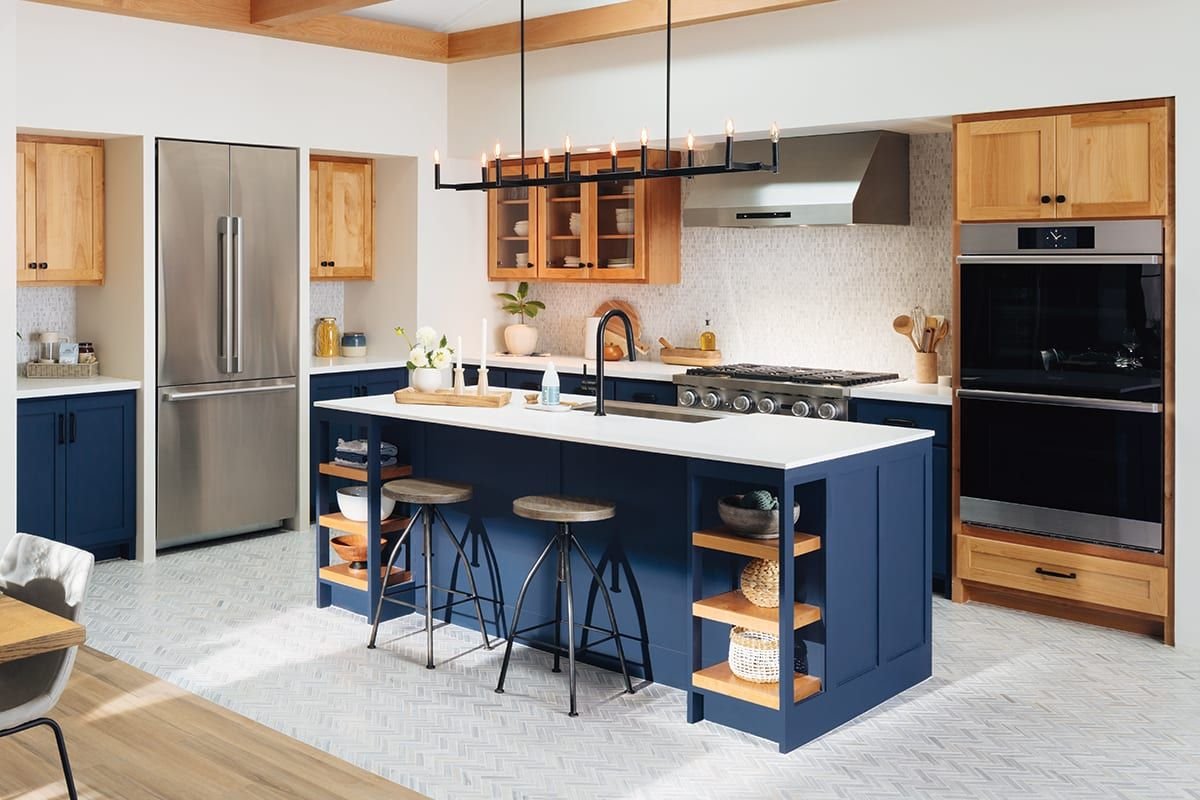
Kitchen cabinets are one of the most important features of any kitchen. They provide storage, influence the overall appearance of the room, and help create an efficient cooking space. The right kitchen cabinet design can make a small kitchen feel larger, improve organization, and give an outdated kitchen a fresh new look.
From modern handleless cabinets to warm wooden finishes, there are many ways to design kitchen storage around your style and daily needs. You can also combine different colors, materials, and layouts to create a kitchen that feels personal and practical.
In this guide, we explore 27 kitchen cabinet design ideas for modern homes, small kitchens, large kitchens, and budget-friendly renovations.
What Makes a Good Kitchen Cabinet Design?
A successful kitchen cabinet design should combine appearance and functionality. Before choosing cabinet styles, consider:
- The size and shape of your kitchen
- Your storage requirements
- Your cooking habits
- The available budget
- The amount of natural light
- The durability of the materials
- The ease of cleaning
- The overall style of your home
Beautiful cabinets are useful, but they should also provide easy access to cookware, food, appliances, and everyday kitchen tools.
27 Kitchen Cabinet Design Ideas
1. Modern White Kitchen Cabinets
White cabinets create a clean, bright, and timeless appearance. They can make a kitchen feel more open, especially when the room has limited natural light.
Pair white cabinets with:
- Wooden countertops
- Matte black handles
- Light-colored backsplash tiles
- Stainless-steel appliances
- Warm pendant lighting
White cabinets work well in both traditional and modern kitchens.
2. Two-Tone Kitchen Cabinets
Two-tone cabinets add visual interest without making the kitchen look too busy. A popular combination is one color for the lower cabinets and another for the upper cabinets.
Examples include:
- White upper cabinets with navy lower cabinets
- Light wood cabinets with white cabinets
- Gray base cabinets with cream wall cabinets
- Green lower cabinets with natural wood shelving
Use colors that complement the flooring, walls, and countertop.
3. Floor-to-Ceiling Cabinets
Floor-to-ceiling cabinets make use of vertical wall space. They are ideal for storing pantry items, small appliances, serving dishes, and kitchen equipment.
This design is especially useful in kitchens where floor space is limited. Store less frequently used items on higher shelves and everyday items at comfortable reaching height.
4. Handleless Kitchen Cabinets
Handleless cabinets create a smooth and minimalist appearance. They are often opened using integrated grooves, push-to-open systems, or recessed handles.
This design is suitable for modern kitchens because it creates clean lines and reduces visual clutter. Choose a reliable opening mechanism that is easy to use and maintain.
5. Natural Wood Kitchen Cabinets
Wooden cabinets bring warmth and texture into the kitchen. Depending on the finish, they can create a rustic, Scandinavian, traditional, or contemporary look.
Popular wood-inspired finishes include:
- Oak
- Walnut
- Ash
- Maple
- Light natural wood
- Dark-stained wood
Use wood cabinets with simple hardware and neutral walls for a balanced appearance.
6. Glass-Front Kitchen Cabinets
Glass-front cabinets allow you to display attractive kitchen items while keeping them protected from dust.
They work well for displaying:
- Glassware
- Decorative plates
- Mugs
- Serving bowls
- Cookbooks
- Matching dishes
Use glass-front cabinets selectively so the kitchen does not appear visually crowded.
7. Open Shelving Combined With Cabinets
Open shelves can make a kitchen feel lighter and more relaxed. They are useful for items you use regularly, such as cups, bowls, spices, and decorative accessories.
For a balanced design, combine open shelves with closed cabinets. Keep the shelves tidy and avoid storing too many unrelated items in one place.
8. Dark Kitchen Cabinets
Dark cabinets can create a dramatic and sophisticated kitchen. Colors such as charcoal, deep green, navy, and espresso brown work especially well in larger or well-lit spaces.
To prevent the room from feeling too dark, combine deep cabinet colors with:
- Light countertops
- Reflective backsplash tiles
- Under-cabinet lighting
- Warm wood accents
- Pale flooring
9. Shaker-Style Kitchen Cabinets
Shaker-style cabinets feature simple framed doors and clean, balanced lines. They are versatile and can suit many interior styles.
They can look modern with minimal hardware or more traditional when paired with decorative handles, wood flooring, and classic lighting.
10. Flat-Panel Kitchen Cabinets
Flat-panel cabinets have smooth doors without raised frames or decorative details. They are a popular choice for contemporary and minimalist kitchens.
Common finishes include:
- Matte laminate
- Glossy acrylic
- Wood veneer
- Painted MDF
- Textured panels
Flat-panel cabinets are ideal when you want a simple and uncluttered design.
11. Kitchen Cabinets With a Central Island
A kitchen island can provide additional storage, workspace, and seating. Cabinets on the island can hold pots, pans, dishes, or frequently used cooking tools.
When planning an island, make sure there is enough space for people to walk comfortably around it. The island should improve movement rather than make the kitchen feel crowded.
12. Peninsula Kitchen Cabinet Design
A peninsula is connected to one side of the kitchen and extends into the room. It can provide many of the benefits of an island while requiring less floor space.
A peninsula can include:
- Base cabinets
- Drawers
- Open shelves
- A breakfast counter
- Extra food preparation space
This layout is useful for compact kitchens and open-plan homes.
13. Cabinets With Deep Drawers
Deep drawers are often more convenient than traditional lower cabinets because they allow you to see and reach stored items easily.
Use deep drawers for:
- Pots and pans
- Plates
- Food containers
- Small appliances
- Baking equipment
- Kitchen towels
Add drawer organizers to keep smaller items from moving around.
14. Pull-Out Pantry Cabinets
A pull-out pantry cabinet makes narrow storage spaces more useful. Its shelves slide outward, allowing you to reach items stored at the back.
These cabinets are useful for:
- Cooking oils
- Sauces
- Canned goods
- Pasta
- Spices
- Dry ingredients
Choose sturdy shelves and avoid overloading the cabinet.
15. Corner Cabinet Solutions
Corner cabinets can be difficult to access, but smart internal storage can improve their usefulness.
Consider:
- Rotating shelves
- Pull-out corner organizers
- Swing-out baskets
- Corner drawers
- Custom shelving
The best solution depends on the cabinet shape and the amount of available space.
16. Two-Level Upper Cabinets
Two-level upper cabinets provide additional storage while making use of the space near the ceiling.
The lower section can hold everyday dishes and glasses, while the upper section can store seasonal or less frequently used items.
Use a secure step stool when necessary, and avoid storing heavy objects in hard-to-reach locations.
17. Open Kitchen Cabinets for Display
Open cabinets can create a relaxed, decorative look. They are suitable for displaying carefully selected items such as pottery, baskets, wooden boards, and attractive dishes.
Because open storage is always visible, use a consistent color palette and avoid overcrowding the shelves.
18. Built-In Appliance Cabinets
Built-in appliance cabinets create a streamlined appearance by placing appliances within the cabinet layout.
Possible built-in appliances include:
- Ovens
- Microwaves
- Refrigerators
- Dishwashers
- Coffee machines
Make sure the design includes proper ventilation, safe clearances, and access for maintenance.
19. Appliance Garage Cabinets
An appliance garage is a cabinet area designed to hide small appliances when they are not being used.
It can store:
- Toasters
- Blenders
- Coffee machines
- Mixers
- Food processors
This design helps keep countertops clear while allowing frequently used appliances to remain convenient.
20. Kitchen Cabinets With a Pantry Wall
A full pantry wall can create a highly organized storage zone. It may include tall cabinets, drawers, adjustable shelves, and dedicated spaces for small appliances.
A pantry wall is particularly useful for families or people who regularly purchase bulk food supplies.
Use labels, baskets, and clear containers to keep the storage area easy to maintain.
21. Green Kitchen Cabinets
Green cabinets can give the kitchen a natural and welcoming appearance. Soft sage, olive, forest green, and muted eucalyptus shades can work with many materials.
Green cabinets pair well with:
- Brass hardware
- Natural wood
- Cream countertops
- White backsplash tiles
- Stone-inspired surfaces
Choose a shade that works with the kitchen’s lighting throughout the day.
22. Blue Kitchen Cabinets
Blue cabinets can create a calm and stylish atmosphere. Pale blue works well in bright kitchens, while navy and deep blue can create a more dramatic appearance.
Combine blue cabinets with neutral walls and countertops to keep the design balanced.
23. Minimalist Kitchen Cabinet Design
Minimalist cabinets focus on simple shapes, limited colors, and practical storage. This style avoids unnecessary decoration and keeps the kitchen visually calm.
A minimalist kitchen may include:
- Flat-panel doors
- Handleless hardware
- Integrated appliances
- Hidden storage
- Neutral colors
- Clear countertops
Good organization is essential because clutter is more noticeable in a minimalist space.
24. Small Kitchen Cabinet Design
Small kitchens need cabinets that use space efficiently. Consider:
- Tall cabinets
- Narrow pull-out storage
- Corner organizers
- Wall-mounted cabinets
- Deep drawers
- Foldable shelves
- Multi-purpose storage
Choose light colors or reflective finishes if you want the room to feel more open. Avoid using too many different cabinet styles in a small space.
25. Budget-Friendly Cabinet Makeover
You do not always need to replace every cabinet to refresh your kitchen. A budget-friendly makeover may include:
- Repainting cabinet doors
- Replacing handles
- Adding shelf liners
- Installing drawer organizers
- Replacing damaged hinges
- Adding under-cabinet lighting
- Updating selected cabinet doors
Before painting or modifying cabinets, check the condition of the materials and prepare the surfaces properly.
26. Cabinets With Integrated Waste Storage
A cabinet with separate waste and recycling bins can make the kitchen cleaner and more efficient.
Use different compartments for:
- General waste
- Recycling
- Compostable food scraps
- Reusable bags
Place the bins in a convenient location, but keep them away from direct food preparation areas.
27. Custom Kitchen Cabinet Design
Custom cabinets are designed according to the exact dimensions and needs of your kitchen. They can be useful when the room has unusual corners, sloped ceilings, or limited storage space.
Custom design can include:
- Special drawer sizes
- Built-in appliance spaces
- Custom pantry storage
- Hidden compartments
- Personalized shelving
- Matching cabinet finishes
Although custom cabinets may cost more, they can make better use of difficult spaces.
Best Kitchen Cabinet Materials
The cabinet material affects appearance, durability, maintenance, and cost.
Solid Wood
Solid wood offers natural texture and a warm appearance. It can be durable when properly finished and maintained.
Plywood
Plywood is commonly used for cabinet boxes because it offers strength and stability. It can be finished with paint, laminate, or veneer.
MDF
Medium-density fiberboard provides a smooth surface for painted cabinet doors. It is often used for modern and detailed finishes.
Laminate
Laminate is available in many colors and patterns. It is often chosen for its practical maintenance and wide range of design options.
Wood Veneer
Wood veneer provides the appearance of natural wood while using a thin layer of wood over a manufactured base.
When selecting materials, consider moisture exposure, cleaning requirements, cabinet construction, and the quality of the hardware.
How to Choose the Right Kitchen Cabinet Color
The best cabinet color depends on the size, lighting, and style of your kitchen.
For Small Kitchens
Light colors such as white, cream, pale gray, and soft wood tones can create a brighter appearance.
For Large Kitchens
Larger kitchens can accommodate darker colors, bold contrasts, and statement cabinet finishes.
For Modern Kitchens
Consider white, gray, black, navy, natural wood, or handleless finishes.
For Traditional Kitchens
Shaker-style doors, cream tones, wood finishes, and classic hardware can create a timeless look.
For Natural-Inspired Kitchens
Sage green, olive, warm wood, beige, and earthy neutral colors work well together.
Kitchen Cabinet Hardware Ideas
Hardware can change the appearance of kitchen cabinets without requiring a full renovation.
Popular options include:
- Matte black handles
- Brushed brass pulls
- Stainless-steel handles
- Brushed nickel knobs
- Leather cabinet pulls
- Minimal recessed handles
- Simple round knobs
Choose hardware that is comfortable to use and suitable for the cabinet finish.
Common Kitchen Cabinet Design Mistakes
Avoid these mistakes when planning your kitchen cabinets:
Ignoring Storage Needs
A cabinet design may look attractive but fail to provide enough space for cookware and food supplies.
Choosing Style Over Function
Make sure cabinet doors and drawers open fully without blocking appliances or walkways.
Forgetting Corner Storage
Unused corner space can reduce the efficiency of the entire kitchen. Plan corner solutions early.
Using Too Many Colors
A mixture of too many finishes can make the kitchen feel disorganized. Choose a coordinated color palette.
Selecting Low-Quality Hardware
Hinges, drawer runners, and handles are used frequently. Choose reliable hardware for better long-term performance.
Not Planning Appliance Placement
Cabinets should work with the refrigerator, oven, dishwasher, sink, and other appliances. Measure carefully before installation.
Frequently Asked Questions
What is the most popular kitchen cabinet design?
Modern flat-panel cabinets, shaker-style cabinets, white cabinets, and two-tone designs are popular choices. The best option depends on your home’s style and your storage needs.
What cabinet color is best for a small kitchen?
White, cream, pale gray, and light wood tones can help a small kitchen feel brighter and more open. Good lighting and uncluttered countertops also make a difference.
Are deep drawers better than lower cabinets?
Deep drawers can make pots, pans, plates, and other heavy items easier to reach. Traditional cabinets may still be useful for tall or irregularly shaped objects.
How can I update kitchen cabinets without replacing them?
You can repaint the doors, replace handles, add organizers, improve lighting, change hinges, or replace only damaged sections.
How long should kitchen cabinets last?
The lifespan of kitchen cabinets depends on their materials, construction, installation, moisture exposure, and maintenance. Well-built cabinets can last for many years when properly cared for.
Final Thoughts
The right kitchen cabinet design can improve both the appearance and functionality of your kitchen. Whether you prefer modern white cabinets, natural wood, two-tone finishes, open shelving, or custom storage, the most important goal is to create a space that supports your daily routine.
Start by measuring your kitchen, listing your storage needs, and choosing a style that complements your home. With thoughtful planning, even a small kitchen can have attractive cabinets, useful storage, and a comfortable layout.