
Home Decor Trends 2026: 35 Stylish Ideas for a Beautiful Home
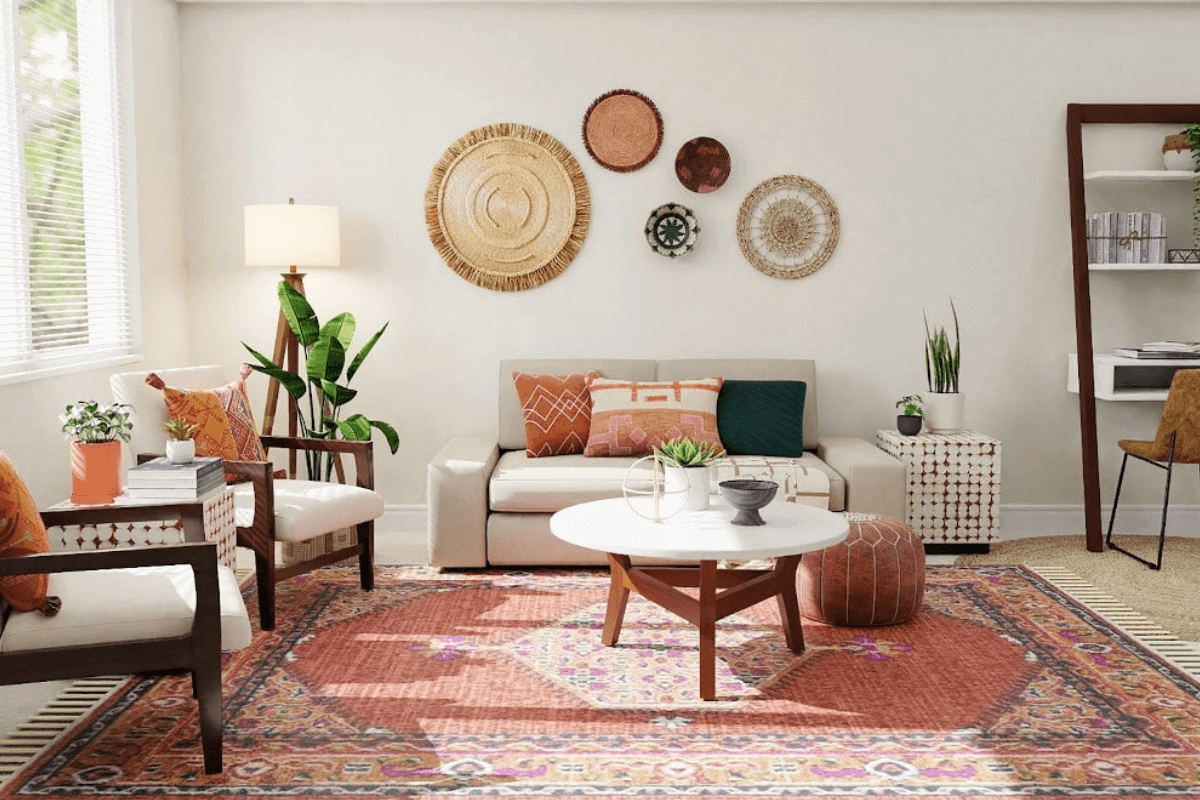
Home decor trends are constantly changing, but the most appealing styles usually combine beauty, comfort, functionality, and personality. In 2026, interior design is moving toward warmer spaces, natural materials, expressive colors, vintage details, and rooms that feel lived-in rather than overly perfect.
Many homeowners are choosing interiors that reflect their personal taste instead of copying a single design style. Comfortable furniture, meaningful accessories, handcrafted details, and flexible layouts are becoming just as important as appearance.
Whether you are decorating a new home or refreshing one room, these 35 home decor trends for 2026 can provide inspiration for creating a stylish and welcoming space.
What Are the Biggest Home Decor Trends in 2026?
Some of the most noticeable decorating directions include:
- Warm and earthy color palettes
- Dark wood finishes
- Vintage and secondhand furniture
- Natural stone and handcrafted materials
- Layered and sculptural lighting
- Cozy, lived-in interiors
- Bold patterns and expressive artwork
- Flexible and multifunctional furniture
- Nature-inspired decoration
- Personalized rooms with character
You do not need to follow every trend. The best approach is to choose ideas that suit your home, budget, lifestyle, and long-term preferences.
35 Home Decor Trends to Try in 2026
1. Warm Neutral Color Palettes
Cool gray interiors are being replaced in many homes by warmer shades such as cream, beige, taupe, sand, and soft brown.
Warm neutrals create a comfortable foundation and work well with wood, woven fabrics, stone, and metallic accents. They are also easy to update because many colors can be combined with them.
Try using warm neutrals on:
- Walls
- Sofas
- Curtains
- Rugs
- Bedding
- Kitchen cabinets
- Decorative accessories
2. Earthy Green Shades
Nature-inspired colors continue to influence home decor. Sage, olive, moss, eucalyptus, and deep forest green can bring a calm and grounded feeling into a room.
Green works particularly well with:
- Natural wood
- Cream
- Beige
- Brass
- Terracotta
- Stone-inspired surfaces
Use green on a feature wall, cabinet doors, cushions, artwork, or indoor plant pots.
3. Dark Wood Furniture
Dark wood finishes are becoming popular again. Walnut, espresso oak, deep brown, and other rich wood tones can add warmth and depth to a room.
Dark wood looks especially attractive when combined with lighter materials such as:
- Cream upholstery
- Pale stone
- Soft rugs
- White walls
- Natural linen
- Warm lighting
Use dark wood on coffee tables, dining tables, cabinets, wardrobes, shelving, or bed frames.
4. Vintage and Secondhand Furniture
Vintage furniture adds character and makes a home feel more personal. Instead of purchasing every item new, consider using older pieces with interesting shapes, materials, or history.
You can introduce vintage style through:
- Antique side tables
- Old wooden cabinets
- Vintage mirrors
- Traditional chairs
- Secondhand lamps
- Decorative trunks
- Classic artwork
Mix vintage pieces with modern furniture for a balanced and updated appearance.
5. The Lived-In Look
Perfectly styled rooms can sometimes feel cold or unrealistic. The lived-in look focuses on comfort, personality, and everyday usability.
This style may include:
- Books on coffee tables
- Soft blankets on sofas
- Family photographs
- Comfortable seating
- Collected artwork
- Natural wear
- Personal souvenirs
- Practical storage baskets
The goal is to create a home that looks welcoming rather than staged.
6. Natural Materials
Natural materials add texture and warmth to modern interiors. They can also help create a connection with the outdoors.
Popular materials include:
- Wood
- Rattan
- Bamboo
- Linen
- Cotton
- Jute
- Stone
- Clay
- Woven fibers
Introduce natural materials through furniture, rugs, baskets, lampshades, curtains, and decorative objects.
7. Handcrafted Decorative Pieces
Handmade objects can make a room feel more unique. Small imperfections often add character and show the craftsmanship behind the item.
Consider decorating with:
- Handmade pottery
- Woven baskets
- Hand-painted ceramics
- Artisan vases
- Textured wall hangings
- Carved wooden objects
- Handmade candles
Use a few meaningful pieces instead of filling every surface.
8. Sculptural Lighting
Lighting is becoming more than a practical feature. Sculptural lamps and artistic fixtures can act as decorative focal points.
Popular options include:
- Curved floor lamps
- Oversized pendants
- Artistic table lamps
- Textured lampshades
- Sculptural wall lights
- Unusual ceramic lamps
- Large statement chandeliers
Choose lighting that provides useful illumination while complementing the room’s design.
9. Layered Lighting
Layered lighting combines different types of lighting to create flexibility and atmosphere.
A well-lit room may include:
- Ceiling lights for general brightness
- Table lamps for soft light
- Floor lamps for reading
- Wall lights for accent lighting
- Under-cabinet lights for work areas
- Decorative lights for mood
Use dimmers where possible so the lighting can change throughout the day.
10. Statement Mirrors
Mirrors can serve both decorative and practical purposes. Large or unusually shaped mirrors can create a focal point while reflecting light around the room.
Try using:
- Arched mirrors
- Round mirrors
- Bronze mirrors
- Tinted mirrors
- Oversized floor mirrors
- Decorative framed mirrors
Place mirrors where they reflect an attractive view, window, artwork, or light source.
11. Bold and Artistic Wallpaper
Wallpaper is becoming a popular way to add personality to interiors. Floral, botanical, geometric, textured, and hand-painted-inspired patterns can create visual interest.
If you do not want to cover an entire room, use wallpaper on:
- One feature wall
- The wall behind a bed
- A small entryway
- A powder room
- The back of open shelving
- A home office nook
Choose a pattern that works with the existing furniture and color palette.
12. Pattern Layering
Using more than one pattern can create a collected and creative appearance. The key is to coordinate the patterns rather than choosing completely unrelated designs.
You can combine:
- Floral curtains
- Striped cushions
- Patterned rugs
- Textured wallpaper
- Checked upholstery
- Decorative artwork
Keep at least one color consistent across the patterns to create visual harmony.
13. Curved Furniture
Curved sofas, rounded chairs, circular tables, and soft-edged accessories can make a room feel more relaxed.
Curved furniture works well in:
- Living rooms
- Bedrooms
- Reading corners
- Lounges
- Entryways
- Home offices
Balance curved pieces with a few straight lines so the room does not look visually confusing.
14. Comfortable, Oversized Seating
Comfort is an important part of modern home styling. Deep sofas, padded chairs, comfortable ottomans, and soft benches can make rooms more inviting.
Before choosing oversized furniture, measure the room carefully. Leave enough space for:
- Walking
- Opening doors
- Cleaning
- Moving between furniture
- Accessing windows and storage
Comfort should not come at the expense of functionality.
15. Mixed Metal Finishes
Using only one metal finish is no longer the only approach. Carefully combining brass, black, chrome, bronze, or nickel can add depth and personality.
For a coordinated result:
- Choose one dominant metal.
- Add one or two supporting finishes.
- Repeat the finishes in different areas.
- Keep the overall color palette balanced.
For example, brushed brass lighting can work with black cabinet handles and bronze decorative objects.
16. Natural Stone Details
Natural stone adds texture and a sense of permanence. It can be used in both large architectural features and small decorative details.
Ideas include:
- Stone countertops
- Marble side tables
- Travertine accessories
- Stone trays
- Slate surfaces
- Stone-inspired tiles
- Decorative sculptures
If natural stone is outside your budget, stone-look materials can provide a similar visual effect.
17. Cozy Layered Textiles
Layering textiles makes a room feel warmer and more comfortable. This trend works especially well in bedrooms, living rooms, and reading spaces.
Combine:
- Cotton cushions
- Linen curtains
- Wool-style rugs
- Knitted throws
- Soft blankets
- Textured upholstery
- Decorative pillows
Use different textures while keeping the colors coordinated.
18. Personal Gallery Walls
Gallery walls are becoming more personal and less formal. Instead of using identical frames, combine artwork, photographs, mirrors, and objects that have meaning.
A personal gallery wall may include:
- Family photographs
- Travel memories
- Botanical prints
- Abstract art
- Small mirrors
- Handmade artwork
- Framed letters
- Decorative plates
Plan the arrangement before hanging the pieces.
19. Nature-Inspired Interiors
Nature-inspired decor uses colors, materials, patterns, and shapes connected to the outdoors.
You can create this look with:
- Indoor plants
- Botanical artwork
- Natural wood
- Green and earthy colors
- Woven baskets
- Organic shapes
- Stone accessories
- Nature-inspired fabrics
This style can work in modern, traditional, rustic, and minimalist homes.
20. Indoor Plants as Decor
Indoor plants remain a simple way to add life and color to a room. Choose plants according to the available light, humidity, and care requirements.
Use plants in:
- Living room corners
- Bedroom windows
- Kitchen shelves
- Bathroom spaces
- Home offices
- Entryways
- Balconies
Decorative plant pots can also support the overall style of the room.
21. Flexible and Multifunctional Furniture
Furniture that serves more than one purpose is useful for modern homes, especially small spaces.
Examples include:
- Storage ottomans
- Sofa beds
- Extendable dining tables
- Foldable desks
- Nesting tables
- Benches with storage
- Beds with drawers
- Modular sofas
Choose flexible furniture that can adapt when your needs change.
22. Small Space Zoning
Open-plan and small homes benefit from clearly defined zones. You can separate areas without building permanent walls.
Use:
- Area rugs
- Open shelving
- Curtains
- Furniture placement
- Lighting
- Folding screens
- Different wall colors
- Decorative room dividers
For example, a rug can define the living room while a desk and lamp identify a small work area.
23. Warm Minimalism
Minimalism is becoming softer and more comfortable. Warm minimalism combines clean lines with natural materials, soft colors, and useful decoration.
A warm minimalist room may include:
- Simple furniture
- Neutral walls
- Natural wood
- Soft lighting
- Textured fabrics
- Limited accessories
- Hidden storage
The goal is to reduce clutter without making the room feel empty.
24. Color Drenching
Color drenching means using one main color across several surfaces, such as walls, trim, doors, and sometimes furniture.
This technique can create a dramatic and immersive appearance. Suitable colors include:
- Deep green
- Soft blue
- Warm beige
- Dusty rose
- Terracotta
- Navy
- Muted yellow
For a softer result, use different shades of the same color rather than exactly matching every surface.
25. Cozy Reading and Relaxation Areas
Homes are increasingly being designed around comfort and relaxation. A dedicated reading or rest area can make unused space more functional.
Create a relaxing corner with:
- A comfortable chair
- A small side table
- A floor lamp
- A soft cushion
- A throw blanket
- A bookshelf
- A plant
Keep the area away from busy walkways if possible.
26. Freestanding Kitchen Furniture
Freestanding furniture can make a kitchen feel more personal and less uniform. Instead of using only built-in cabinets, consider adding a separate piece.
Ideas include:
- Vintage cupboards
- Freestanding islands
- Wooden tables
- Open shelving units
- Antique storage cabinets
- Small sideboards
Choose pieces that provide useful storage and fit the kitchen’s layout.
27. Decorative Kitchen Lighting
Kitchen lighting is becoming more decorative and flexible. Pendant lights, wall lights, and small lamps can make the kitchen feel more like a living space.
Try using:
- Pendant lights above an island
- Small lamps on a counter
- Under-cabinet lighting
- Wall lights near open shelves
- Dimmable ceiling fixtures
Always keep cooking and food preparation areas adequately illuminated.
28. Traditional Tile Details
Traditional tile patterns can add charm and character to kitchens and bathrooms. They may create a more detailed and welcoming appearance than large, plain surfaces.
Consider:
- Small square tiles
- Handcrafted-look tiles
- Patterned backsplash tiles
- Decorative borders
- Softly textured ceramic tiles
- Classic checkerboard layouts
Choose practical, easy-to-clean materials for areas exposed to water or food splashes.
29. Spa-Inspired Bathrooms
Bathrooms are increasingly being designed as relaxing personal spaces. You can create a spa-inspired atmosphere without a complete renovation.
Try adding:
- Soft lighting
- Natural wood accents
- Neutral tiles
- Woven baskets
- Matching towels
- A rainfall-style shower
- Simple plants
- Minimal countertop clutter
Choose moisture-resistant materials and maintain good ventilation.
30. Decorative Ceilings
Ceilings are receiving more attention in home decor. A ceiling can become a design feature through color, texture, lighting, or architectural details.
Ideas include:
- Painted ceilings
- Wood panels
- Decorative wallpaper
- Exposed beams
- Coffered details
- Statement lighting
- Textured finishes
Use ceiling decoration carefully in small rooms so the space does not feel visually heavy.
31. Statement Dining Tables
The dining table can become the central feature of a dining area. A sculptural base, rich wood finish, or unusual shape can make the room more interesting.
Pair the table with:
- Comfortable chairs
- A simple centerpiece
- Decorative lighting
- A washable rug
- Wall artwork
- Coordinated tableware
Make sure there is enough space for people to sit and move around comfortably.
32. Decorative Room Dividers
Room dividers can improve privacy and create separate zones without permanent construction.
Useful options include:
- Wooden screens
- Curtains
- Open bookcases
- Glass partitions
- Woven panels
- Sliding doors
- Freestanding shelving
Choose a divider that allows light and movement when needed.
33. Meaningful Decorative Objects
Decor should tell a story about the people who live in the home. Meaningful objects often create a more personal atmosphere than generic accessories.
Display:
- Travel souvenirs
- Family photographs
- Handmade gifts
- Favorite books
- Artwork from local creators
- Heirloom furniture
- Personal collections
Arrange these items thoughtfully so the room remains organized.
34. Sustainable Decorating Choices
Sustainable decor focuses on buying thoughtfully, reusing furniture, choosing durable products, and reducing unnecessary waste.
Practical ideas include:
- Reusing existing furniture
- Buying secondhand pieces
- Choosing durable materials
- Repairing damaged items
- Using natural textiles
- Avoiding disposable decorations
- Selecting timeless designs
A sustainable approach can also help reduce long-term decorating costs.
35. Personalized Interiors Over Perfect Trends
The most important home decor trend is creating a space that feels personal. A home does not need to look like a showroom to be beautiful.
Choose decor that reflects:
- Your lifestyle
- Your favorite colors
- Your daily routine
- Your cultural influences
- Your hobbies
- Your comfort needs
- Your personal memories
Use trends as inspiration, but let your own preferences guide the final design.
Home Decor Trends for Small Spaces
Small homes can benefit from many of the latest decorating ideas. Try these practical solutions:
- Use multifunctional furniture.
- Choose wall-mounted storage.
- Add mirrors to reflect light.
- Use a simple color palette.
- Create zones with rugs.
- Select furniture with visible legs.
- Store items vertically.
- Avoid blocking windows.
- Use foldable or nesting furniture.
- Keep decorative accessories limited.
The goal is to make the room comfortable and useful without overcrowding it.
How to Use Trends Without Making Your Home Look Dated
Trends can be exciting, but not every popular style will remain attractive for many years. Use the following approach:
- Choose timeless furniture for major purchases.
- Add trends through cushions, artwork, lamps, and accessories.
- Avoid using too many competing styles.
- Select colors that work with your existing decor.
- Consider comfort and maintenance.
- Invest in durable materials where possible.
- Keep your personal style more important than trends.
This approach allows you to refresh your home without replacing everything whenever decorating preferences change.
Common Home Decor Mistakes
Following Every Trend
Using too many trends in one room can create a confusing appearance. Choose a few ideas that work well together.
Ignoring Room Size
Large furniture and oversized accessories can make a small room uncomfortable. Always measure before purchasing.
Choosing Appearance Over Comfort
A beautiful sofa or chair is not useful if it is uncomfortable. Consider how the furniture will be used every day.
Using Too Many Colors
A coordinated color palette helps different pieces work together. Add bold colors carefully.
Forgetting Storage
Decor looks better when everyday items have designated storage spaces. Use baskets, cabinets, shelves, and multifunctional furniture.
Neglecting Lighting
Poor lighting can affect the appearance and usability of a room. Include general, task, and accent lighting where appropriate.
Frequently Asked Questions
What are the biggest home decor trends for 2026?
Important trends include warm neutral colors, dark wood, vintage furniture, natural materials, sculptural lighting, cozy textiles, bold patterns, flexible furniture, and personalized interiors.
Are neutral colors still popular in home decor?
Yes. Warm neutrals such as cream, beige, taupe, and soft brown remain useful because they create a flexible foundation. They can be combined with earthy colors, wood, artwork, and textured fabrics.
Is vintage furniture still a home decor trend?
Yes. Vintage and secondhand furniture can add character, individuality, and visual interest. Mixing older pieces with modern furniture creates a balanced look.
How can I use home decor trends on a budget?
Start with affordable changes such as new cushion covers, artwork, lighting, plants, rearranged furniture, secondhand accessories, and updated cabinet hardware.
What home decor trends work best for small homes?
Multifunctional furniture, vertical storage, mirrors, flexible room dividers, warm minimalism, and clearly defined zones are useful for small spaces.
Should I follow home decor trends?
Trends can provide inspiration, but you should choose ideas that suit your lifestyle, budget, home size, and personal taste. Timeless comfort and functionality should remain priorities.
Final Thoughts
The best home decor trends for 2026 focus on warmth, comfort, natural materials, creativity, and personal expression. Instead of creating a home that looks perfect but feels uncomfortable, choose furniture, colors, lighting, and accessories that support everyday life.
You can begin with a small update, such as adding a vintage mirror, introducing warm lighting, changing textiles, using natural materials, or creating a comfortable reading corner. With thoughtful choices, your home can feel stylish, welcoming, and personal for many years.