
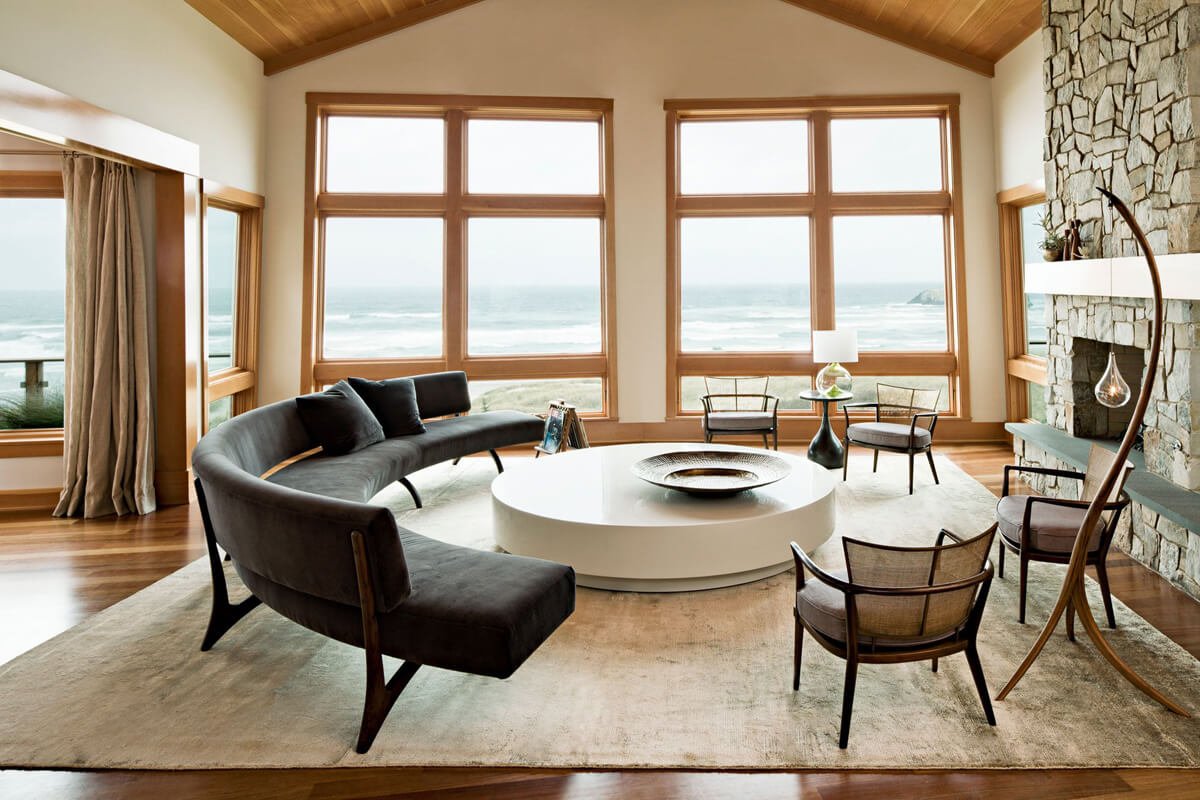
Interior design is important because it determines how a space looks, functions, feels, and supports everyday life. It is not simply about choosing attractive furniture or colors. Good interior design considers layout, lighting, storage, comfort, movement, materials, and the way people actually use a room.
Whether you are decorating a small apartment, updating a family home, or planning a hotel room, thoughtful interior design can make the available space more practical and visually balanced.
What Is Interior Design?
Interior design is the planning and arrangement of an interior space to make it functional, comfortable, and visually appealing.
It can involve:
- Furniture placement
- Space planning
- Lighting
- Colors and materials
- Storage
- Flooring and wall finishes
- Decorative elements
- Room layouts
- The relationship between different spaces
Interior design therefore goes beyond decoration. Decoration focuses mainly on the appearance of a space, while interior design also considers how that space works.
Why Is Interior Design Important?
1. It Makes a Space More Functional
One of the biggest reasons interior design matters is functionality.
A room should make everyday activities easy. Furniture should have enough space around it, storage should be accessible, and important areas should not be blocked.
For example, an office needs a practical desk position and clear movement paths. A kitchen needs convenient access between its main work areas. A bathroom needs enough space to use its fixtures comfortably.
Good design connects these elements instead of treating every piece separately.
If you’re planning an office, our guide on how to organize office furniture covers practical furniture-placement ideas.
2. It Helps You Use Available Space Efficiently
Interior design becomes especially important when space is limited.
A well-planned room can often feel more usable without adding any extra square footage. The key is choosing appropriately sized furniture, reducing unnecessary obstacles, and using walls and corners effectively.
This is particularly useful in small bathrooms, bedrooms, apartments, and compact hotel rooms.
For example, a small hotel room interior design needs to balance sleeping space, storage, lighting, movement, and comfort within a limited area.
3. It Improves Comfort
A room should not only look attractive; it should also be comfortable to use.
Furniture height, seating arrangement, lighting levels, room temperature, storage, and movement space can all influence how comfortable an interior feels.
A living room with properly arranged seating can make conversations easier. A bedroom with suitable lighting and a practical furniture layout can create a more relaxing environment.
Comfort comes from making design decisions around the people who use the space.
4. It Creates Better Movement and Flow
Poor furniture placement can make even a large room feel difficult to navigate.
Interior design considers how people move from one area to another. Walkways should remain clear, doors should have room to open, and furniture should not unnecessarily obstruct important paths.
This is one reason furniture arrangement is more than simply deciding where individual pieces look attractive.
A good layout creates a natural connection between different areas of the room.
5. It Improves Lighting
Lighting is an important part of interior design because it affects how a room is used and perceived.
A successful lighting plan can combine:
- Natural light
- General lighting
- Task lighting
- Accent lighting
For example, kitchens need useful lighting for food preparation, while bedrooms may benefit from a combination of general and softer task or accent lighting.
Thoughtful lighting can also highlight architectural features, artwork, furniture, and decorative details.
6. It Helps Keep Rooms Organized
Storage is another major reason interior design matters.
A beautiful room can quickly become difficult to use when everyday items have no designated place. Good design considers where those items will be stored before the room becomes cluttered.
Cabinets, shelves, drawers, wardrobes, and other storage solutions should be selected according to the room’s needs.
The goal is not simply to add more storage. It is to put the right storage in the right location.
7. It Creates a Consistent Look
A home contains many separate rooms, but they do not need to feel completely disconnected.
Interior design can create visual continuity through:
- Similar color palettes
- Complementary materials
- Repeated textures
- Consistent hardware
- Coordinated furniture styles
- Related decorative elements
This does not mean every room should look identical. Instead, individual rooms can have their own character while still feeling like part of the same home.
8. It Reflects Personal Style
Interior design is also a way to express personality.
Furniture, artwork, colors, textures, lighting, and decorative objects can communicate what the people living in a space like and value.
For example, someone may prefer a minimalist interior with simple furniture, while another person may prefer warm colors, patterned textiles, and decorative accessories.
Our guide to modern artifacts for home decor can be useful when choosing decorative pieces that add personality without overwhelming a room.
9. It Can Make Small Spaces Feel More Open
Interior design can have a particularly noticeable effect in compact rooms.
Light colors, suitable furniture proportions, mirrors, clear walking paths, and smart storage can help a small space feel less crowded.
The important thing is not to fill every available area. Leaving enough visual and physical breathing room can make the entire interior feel more comfortable.
This principle is useful for everything from small bathrooms to compact bedrooms and apartments.
10. It Helps You Make Better Design Decisions
Interior design provides a framework for making decisions before spending money on furniture, finishes, and accessories.
Instead of buying individual items simply because they look attractive, you can first consider:
- How will the item be used?
- Does it fit the available space?
- Does it work with existing furniture?
- Does it provide a useful function?
- Is it suitable for the room’s lighting?
- Will it remain practical over time?
This approach can reduce unnecessary purchases and create a more cohesive interior.
Why Is Interior Design Important for Small Homes?
Small homes have less room for mistakes.
A large piece of furniture can quickly restrict movement, while poor storage can create clutter. Interior design helps make better use of limited floor and wall space.
Useful strategies include:
- Choosing furniture according to room dimensions
- Using vertical storage
- Keeping walkways clear
- Selecting multifunctional pieces
- Using suitable lighting
- Avoiding unnecessary decorative clutter
The objective is not to make a small home look like a large one. It is to make the available space work better.
Why Is Interior Design Important in the Kitchen?
The kitchen combines several activities, including cooking, cleaning, food preparation, and storage.
Good interior planning can make these activities easier by placing appliances, work surfaces, cabinets, and storage in practical positions.
Understanding the different parts of the kitchen can also help when planning a kitchen because each area has a specific purpose.
Why Is Interior Design Important in the Bathroom?
Bathrooms often have limited floor space, so fixture placement and storage are especially important.
A practical bathroom design considers:
- Vanity size
- Toilet position
- Shower or bathtub placement
- Storage
- Lighting
- Door clearance
- Available walking space
For compact bathrooms, even small layout changes can make the room easier to use.
Interior Design vs. Interior Decoration
Interior design and interior decoration are related, but they are not exactly the same.
Interior design focuses on the planning and function of a space, including layout, circulation, lighting, storage, materials, and furniture placement.
Interior decoration focuses more heavily on the visual finishing touches, such as colors, accessories, artwork, textiles, and decorative objects.
A successful room can use both. The space should work well before decorative details are added.
Common Interior Design Mistakes
Some common mistakes include:
- Buying furniture before measuring the room
- Blocking natural light
- Using furniture that is too large
- Creating narrow walking paths
- Adding too many decorative objects
- Ignoring storage needs
- Using lighting from only one source
- Choosing style before considering function
Avoiding these mistakes can make the design process simpler and more practical.
How to Start Designing a Room
You do not need to redesign an entire home at once.
Start with one room and follow a simple process:
Step 1: Measure the Space
Record the room’s length, width, ceiling height, doors, windows, and important fixed features.
Step 2: Identify the Main Purpose
Decide what the room needs to support. A bedroom, home office, kitchen, and living room all have different requirements.
Step 3: Plan the Furniture
Place the largest and most important furniture first. Then check walking paths and available space.
Step 4: Plan Lighting and Storage
Consider where lighting is needed and where everyday items will be stored.
Step 5: Add Decorative Details
Once the functional layout works, add colors, artwork, textiles, plants, and other decorative elements.
This approach helps prevent a room from becoming attractive but impractical.
Frequently Asked Questions
Why is interior design important?
Interior design is important because it helps a space become more functional, comfortable, organized, and visually cohesive. It considers how people move through and use a room rather than focusing only on decoration.
What is the main purpose of interior design?
The main purpose is to create an interior that works well for its users while also providing an appropriate visual environment. Layout, furniture, lighting, storage, materials, and decoration all contribute to the result.
Is interior design only about appearance?
No. Appearance is one part of interior design. Functionality, comfort, space planning, lighting, storage, and movement are also important.
How does interior design improve a home?
Thoughtful interior design can improve how efficiently rooms are used, make storage easier, create clearer movement paths, improve lighting, and give different areas a more cohesive appearance.
Why is interior design important in small spaces?
Small spaces have limited room for furniture and storage, so careful planning becomes more important. Good design can help use available floor and wall space more efficiently.
Final Thoughts
So, why is interior design important? Because a well-designed space does more than look attractive. It helps people move around more easily, use rooms efficiently, stay organized, and feel comfortable in their surroundings.
The best interior design decisions usually start with function. Once the layout, storage, lighting, and furniture work properly, colors and decorative details can bring the space together.
A beautiful interior is useful, comfortable, and personal—not simply decorated.