
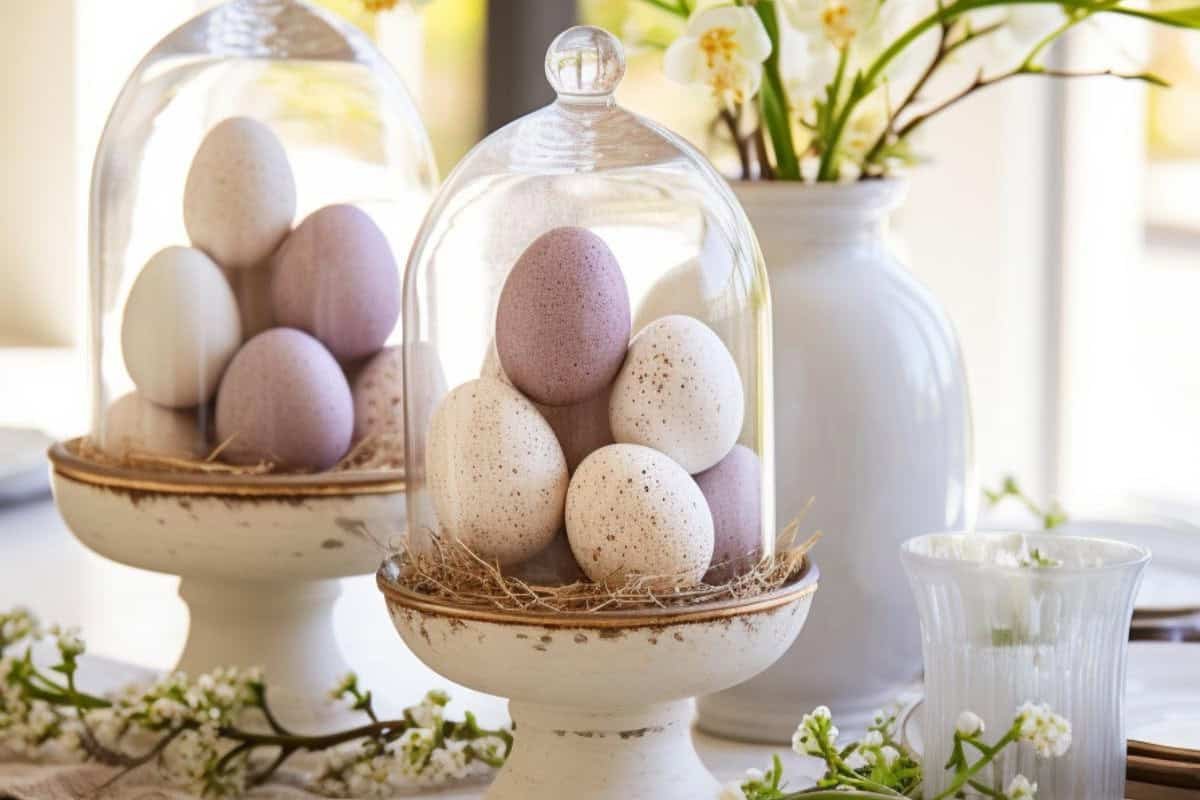
Looking for DIY home decor ideas 2026 that actually make a room look better without turning it into a complicated craft project? This year’s DIY approach is less about making everything perfectly match and more about adding texture, personality, natural materials, and useful handmade details.
Simple projects such as updating old furniture, creating wall art, making decorative trays, refreshing textiles, and repurposing items can give a room a completely different feel.
1. Create a Textured Wall Art Panel
Textured wall art is an easy way to add interest to an empty wall.
You can use canvas, fabric, lightweight wood, or another suitable base and create a simple design using texture rather than complicated artwork.
Neutral shades work well if you want the piece to blend into a modern room.
For more wall inspiration, see our guide to modern wall decor ideas.
2. Turn an Old Frame Into a Decorative Display
Instead of throwing away an old frame, turn it into a decorative wall piece.
Remove the existing artwork and use the frame to display:
- Fabric
- Printed artwork
- Family photos
- Botanical illustrations
- Decorative paper
Choose a frame that complements the room’s existing colors.
3. Make a Simple Decorative Tray
A plain wooden tray can become a useful decor piece with a little creativity.
Paint it in a color that works with your room and use it on a coffee table, console, bedroom dresser, or dining table.
A tray can also help group small objects together so they look intentional rather than scattered.
4. Refresh an Old Piece of Furniture
One of the most practical DIY home decor projects is updating furniture you already own.
A small cabinet, side table, stool, or wooden chair can often be refreshed with:
- A new finish
- New hardware
- A different paint color
- New drawer pulls
- Decorative lining
Before painting, clean and prepare the surface properly so the new finish adheres well.
5. Make a Fabric Wall Hanging
Textile-based decor can add softness and texture to a room.
You can create a simple wall hanging from fabric, yarn, or another suitable textile. Keep the design relatively simple if the room already contains patterned furniture or accessories.
This works particularly well above a small console, bed, or reading corner.
6. Create a Gallery Wall With Personal Prints
A gallery wall does not have to contain expensive artwork.
Use a combination of photographs, printable artwork, illustrations, and personal images.
Before putting anything on the wall, arrange the frames on the floor to test the spacing and overall composition.
A consistent frame style can make different images feel more coordinated.
7. Make a Clay-Style Decorative Piece
Handmade ceramic and clay-inspired decor can bring an organic quality to a room.
For a simple project, create a small decorative dish or sculptural object using an appropriate air-dry modeling material.
Keep the shape simple rather than trying to make it perfectly symmetrical. Handmade pieces can work particularly well with natural and neutral interiors.
8. Upcycle Glass Jars Into Decor
Clean glass jars can be transformed into simple decorative containers.
Use them as:
- Small flower holders
- Decorative storage
- Brush containers
- Desk organizers
- Bathroom organizers
A consistent group of jars can look more intentional than using one jar by itself.
9. Make a No-Sew Cushion Cover
Changing cushion covers is one of the quickest ways to refresh a living room or bedroom.
Choose fabric that complements the existing furniture and use a suitable no-sew method to create a simple cover.
If you already have neutral furniture, a patterned or textured fabric can add visual interest without requiring a complete room makeover.
10. Create a Simple Floating Shelf Display
A small shelf can provide both storage and decoration.
Once the shelf is securely installed, style it with a few carefully selected objects rather than filling every inch.
Try combining different heights:
- One small plant
- One framed print
- One decorative object
- A small stack of books
The varied heights create a more balanced display.
11. Make a Decorative Mirror Frame
A plain mirror can become a stronger design feature with a simple frame treatment.
Depending on your room style, a wooden, painted, textured, or minimalist frame can change the overall appearance.
This is particularly useful when a room needs more visual interest but does not have much wall space.
12. Create a Personalized Decor Corner
Instead of decorating an entire room at once, create one small area that has a clear visual theme.
A console, shelf, dresser, or corner table can combine:
- A framed print
- A decorative object
- A small plant
- A lamp
- A book or two
The goal is to create a small focal point rather than covering every surface with accessories.
If you like using small decorative pieces, our guide to modern artifacts for home decor has more ideas for styling them.
13. Turn Fabric Scraps Into Decorative Art
Do not throw away attractive leftover fabric.
Small fabric pieces can be arranged on a board or canvas to create a simple textile artwork.
Mixing several related textures can make the finished piece more interesting, while keeping the colors within the same palette prevents it from looking chaotic.
14. Give a Small Table a New Look
A side table or bedside table can become a noticeable part of a room after a simple refresh.
You could:
- Change its finish
- Replace the hardware
- Add a decorative surface treatment
- Reposition it within the room
- Style it with a lamp and one or two accessories
Sometimes changing the placement of existing furniture can have as much visual impact as buying something new.
15. Make a Natural-Inspired Decor Arrangement
Natural materials and earthy colors continue to feature strongly in 2026 decor coverage.
Create a simple arrangement using materials such as wood, woven textures, dried botanical elements, or ceramic-style pieces.
Keep the arrangement limited to a few related elements so it feels curated rather than cluttered.
DIY Home Decor Color Ideas for 2026
Current 2026 decor coverage frequently highlights warm neutrals, earthy shades, natural materials, and carefully used deeper accent colors.
For DIY projects, consider combinations such as:
Warm Neutrals
Cream, beige, taupe, and soft brown create an easy foundation for handmade decor.
Earthy Greens
Muted sage and deeper green can bring a natural feeling to furniture, artwork, and accessories.
Terracotta and Clay Tones
Warm clay shades work particularly well with wood, cream, and natural textiles.
Deep Accent Colors
Chocolate brown, dark green, navy, or another deeper shade can be used in smaller amounts to create contrast.
The important thing is to choose a palette that works with the room you already have.
DIY Home Decor Ideas for Small Spaces
DIY projects can be especially useful in small homes because you can create pieces that fit the available space instead of buying standard-sized decor.
Good options include:
- Small wall art
- Narrow shelves
- Decorative storage boxes
- Compact organizers
- Small mirrors
- Vertical displays
- Multi-purpose furniture updates
Avoid making too many large decorative pieces. In a small room, a few useful and well-positioned projects usually work better.
How to Make DIY Decor Look More Expensive
A DIY project does not need expensive materials to look considered.
Focus on:
- A consistent color palette
- Clean finishing
- Suitable proportions
- Good placement
- Natural-looking materials
- Fewer, better decorative pieces
The biggest mistake is trying to decorate every empty space.
A handmade item can look much more intentional when it has enough space around it.
DIY vs. Buying New Decor
DIY is not automatically the better choice for every project.
DIY Makes Sense When:
- You already have suitable materials.
- You want a specific size or color.
- You enjoy making things yourself.
- You can reuse an existing item.
- The project is relatively simple.
Buying May Make More Sense When:
- The project requires specialized equipment.
- Materials cost more than a finished product.
- The item needs to be structurally strong.
- The finished result needs professional precision.
The goal is to create a better space, not simply to make everything yourself.
How to Choose the Right DIY Project
Before starting a project, ask:
- Where will the finished piece go?
- Does the room actually need it?
- Does its size fit the available space?
- Does its color work with the existing decor?
- Can the materials be reused?
- Will it be useful as well as decorative?
Answering these questions first can prevent unfinished projects and unnecessary clutter.
Frequently Asked Questions
What are the best DIY home decor ideas for 2026?
Useful options include textured wall art, furniture updates, gallery walls, handmade textile decor, decorative trays, upcycled storage, simple shelves, and natural-material arrangements.
What home decor trends are popular in 2026?
Current 2026 coverage emphasizes warmer interiors, natural materials, handcrafted details, textured pieces, personal collections, and more intentional use of decor.
What is an easy DIY home decor project for beginners?
Refreshing a small piece of furniture, creating simple wall art, styling an old frame, or making a decorative tray are relatively straightforward starting points.
How can I decorate my home cheaply in 2026?
Start by reusing furniture and materials you already own. Painting furniture, rearranging decor, creating personal wall art, updating textiles, and repurposing containers can change a room without requiring a complete redesign.
How do I make DIY home decor look modern?
Use a limited color palette, clean shapes, suitable proportions, natural textures, and restrained styling. Avoid adding too many unrelated decorative elements to the same room.
Final Thoughts
The best DIY home decor ideas 2026 are not necessarily the most complicated ones. A refreshed piece of furniture, a handmade wall display, a simple textile project, or a thoughtfully repurposed item can add personality without overwhelming the room.
Start with one area that needs improvement, choose a project that fits the space, and keep the colors and materials connected to the rest of your home. The result should feel personal and intentional rather than simply filled with DIY projects.