
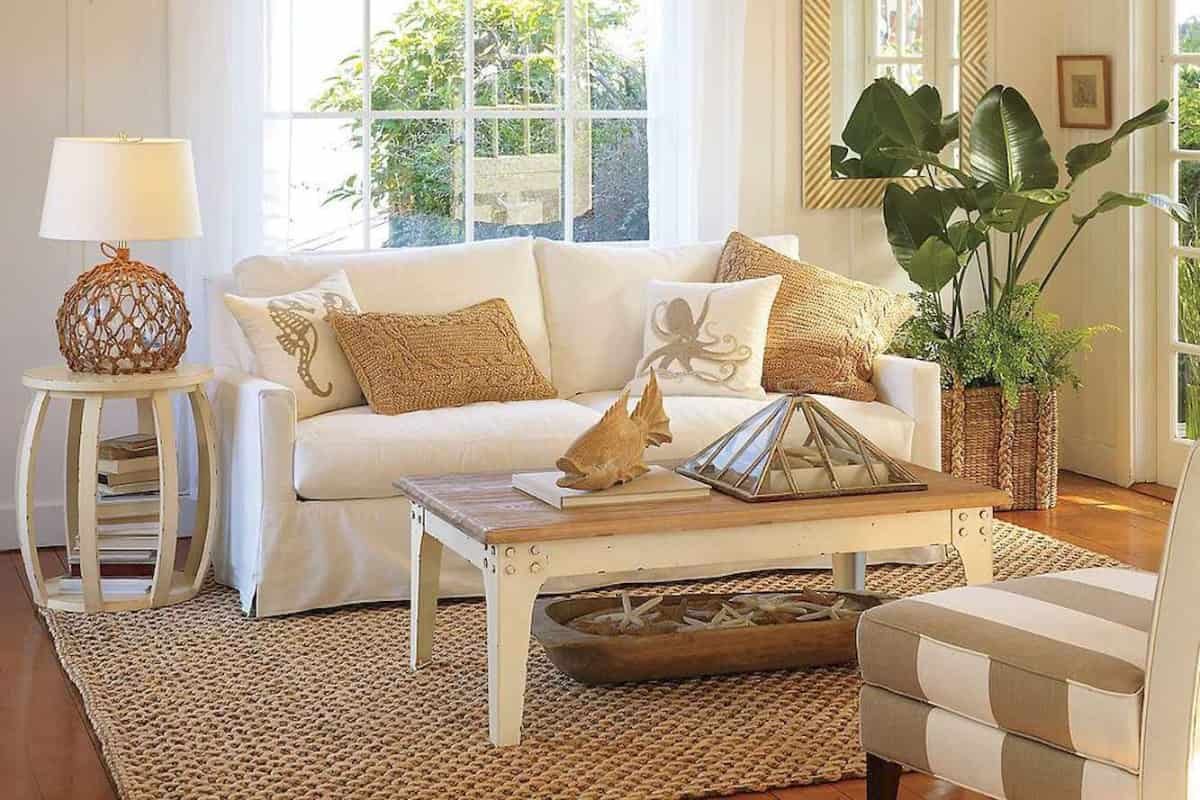
Good home decor is not about filling every empty corner with furniture and accessories. The best results usually come from choosing the right colors, arranging furniture properly, using lighting effectively, and adding a few personal details.
If you are looking for decor tips decoradhouse, this guide focuses on practical ways to make a home feel more comfortable, organized, and visually balanced without requiring a complete renovation.
1. Start With the Function of the Room
Before choosing decorations, decide how the room will be used.
A living room may need comfortable seating and space for conversation, while a bedroom should prioritize relaxation and storage. A dining area needs enough room to move around the table comfortably.
Once the function is clear, decorating decisions become much easier.
2. Choose a Simple Color Palette
A coordinated color palette can make different elements of a room feel connected.
A practical approach is to start with:
- One main neutral color
- One secondary color
- One or two accent colors
For example, warm white walls can work with beige furniture and small touches of green, blue, or terracotta.
Avoid choosing too many unrelated colors. Repeating one accent color through cushions, artwork, curtains, or accessories can create a more cohesive look.
3. Arrange Furniture Around a Focal Point
Every room benefits from having something that naturally attracts attention.
The focal point could be:
- A large window
- A fireplace
- A statement wall
- A bed
- A television
- A large piece of artwork
Arrange the main furniture so that it supports the focal point rather than competing with it.
Most importantly, leave clear walking paths. A beautiful room becomes difficult to use when furniture blocks movement.
For more practical furniture organization ideas, see our guide to how to organize office furniture.
4. Use Lighting in Layers
One ceiling light is rarely enough to create a comfortable atmosphere.
Try combining three types of lighting:
Ambient Lighting
This provides general illumination for the room.
Task Lighting
Use lamps where you perform specific activities, such as reading, working, or preparing food.
Accent Lighting
Accent lights can highlight artwork, architectural features, shelves, or decorative objects.
Layered lighting gives you more control over the atmosphere throughout the day.
5. Make Better Use of Natural Light
Natural light can make a room appear brighter and more open.
Keep windows relatively clear and choose curtains that provide privacy without unnecessarily blocking daylight.
Mirrors can also be useful when positioned where they reflect available light and create a stronger sense of openness.
For bedrooms, you can combine natural light with carefully planned artificial lighting using ideas from our bedroom lighting guide.
6. Add Artwork With Intention
Artwork gives a room personality, but more is not always better.
Instead of covering every wall, choose a few pieces that work with the room’s colors and proportions.
You can use:
- Large statement artwork
- Family photographs
- Abstract prints
- Framed illustrations
- Decorative wall pieces
- Gallery walls
Before hanging several pieces, arrange them on the floor first. This makes it easier to test spacing and composition.
Our guide to modern wall decor ideas has more ways to style empty walls.
7. Mix Textures
A room can look flat when every surface has the same texture.
Introduce contrast by combining materials such as:
- Wood
- Metal
- Glass
- Linen
- Cotton
- Woven materials
- Ceramic
- Natural fibers
For example, a smooth wooden table can look more interesting with a woven centerpiece and soft fabric seating.
The goal is balance rather than using as many textures as possible.
8. Add Natural Elements
Plants, wood, woven materials, flowers, and other natural-looking elements can add warmth to an interior.
If you do not want to maintain live plants, you can instead use natural wood accessories, dried arrangements where appropriate, or woven baskets.
Keep these additions proportional to the room so they enhance the space rather than create visual clutter.
9. Decorate Shelves With Balance
Shelves can easily become overcrowded.
A simple arrangement can include:
- One larger object
- A few smaller decorative pieces
- A framed picture
- One plant or natural element
- A small stack of books
Leave some empty space between groups. Negative space helps individual objects stand out.
10. Use Mirrors Strategically
Mirrors are both decorative and functional.
A large mirror can make a smaller room feel more open, while a decorative mirror can become a focal point above a console, dresser, or other suitable furniture.
Think about what the mirror will reflect before hanging it. Reflecting a window, attractive artwork, or a well-lit area can be more effective than reflecting clutter.
11. Keep Large Furniture Simple
Large furniture pieces have a bigger visual impact than small accessories.
If your sofa, bed, dining table, or wardrobe already has a strong design, keep surrounding decorations relatively simple.
This prevents the room from feeling overcrowded.
When buying new furniture, measure the available space first. A beautiful piece that is too large can make the entire room feel uncomfortable.
12. Use Rugs to Define Areas
A rug can visually connect furniture and help define different zones.
In a living room, a rug can help bring the seating arrangement together. In an open-plan home, different rugs can help separate the living and dining areas visually.
Choose the rug size based on the furniture arrangement rather than selecting one simply because it looks attractive by itself.
13. Personalize the Space
A home should not look like a furniture showroom.
Add items that have personal meaning, such as:
- Family photographs
- Travel souvenirs
- Favorite artwork
- Handmade objects
- Books
- Collections
- Meaningful gifts
These details make the room feel individual rather than copied from a catalog.
14. Avoid Too Much Decor
One of the easiest decorating mistakes is adding too many accessories.
If every surface is covered, individual pieces lose their visual impact.
Instead, choose fewer objects and give them enough space to stand out.
A useful rule is to decorate, step back, and then remove one or two items if the room feels crowded.
15. Refresh a Room Without Buying Everything New
You can change the appearance of a room without replacing major furniture.
Try:
- Rearranging furniture
- Changing cushion covers
- Updating curtains
- Adding a mirror
- Repositioning artwork
- Changing lampshades
- Removing unnecessary accessories
- Adding one new accent color
- Restyling shelves
Small changes can sometimes make a bigger difference than buying several unrelated decorations.
Decor Tips for a Small Home
Small rooms require extra attention to proportion and storage.
Use furniture that fits the available floor space and avoid blocking natural light.
Some useful ideas include:
- Choose furniture with more than one function.
- Use vertical wall space for storage.
- Keep pathways clear.
- Use mirrors where appropriate.
- Choose lighter visual elements for crowded areas.
- Keep decorative accessories selective.
- Use consistent colors to create visual continuity.
Common Home Decor Mistakes to Avoid
Buying Before Measuring
Always measure the room and furniture area before purchasing large pieces.
Using Too Many Styles
Mixing styles can work, but unrelated pieces can make a room feel disconnected.
Ignoring Lighting
Even attractive furniture can look different under poor lighting.
Filling Every Empty Space
Empty space is part of good design. Not every wall, shelf, or corner needs decoration.
Following Trends Too Closely
Trends can provide inspiration, but your home should also work for your lifestyle and preferences.
How to Make Your Decor Look More Cohesive
The easiest way to create a coordinated home is to repeat a few elements.
For example, if you use warm wood in your living room, you could repeat a similar wood tone in a nearby dining area. A particular accent color can also appear in artwork, cushions, or smaller accessories.
You do not need every item to match. Instead, look for relationships between colors, materials, shapes, and proportions.
For additional inspiration, explore our guide to modern artifacts for home decor.
Final Thoughts
The most useful decor tips decoradhouse are not about buying more decorations. They are about making thoughtful choices.
Start with the function of each room, establish a simple color palette, arrange furniture for comfortable movement, layer your lighting, and then add artwork and personal accessories.
A stylish home does not have to be expensive or perfectly matched. It should feel comfortable, practical, and personal to the people who live there.