
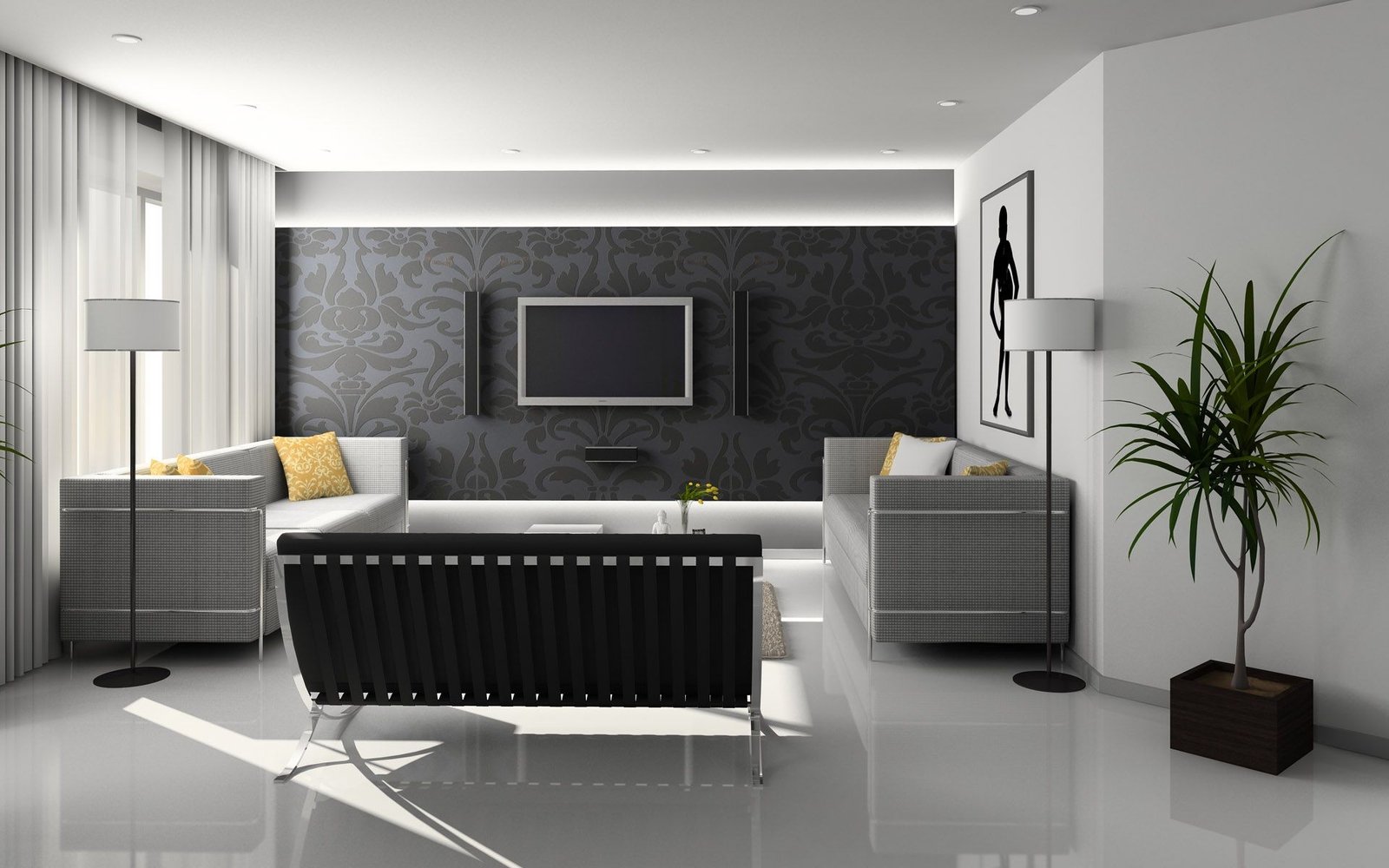
Having two living rooms in the same home can be a great opportunity to create two useful spaces instead of making both rooms look exactly alike.
One room can be designed for guests and special occasions, while the other can become a comfortable everyday space for family time, movie nights, reading, or relaxing.
The key is to give each room a clear purpose while using a few shared colors and materials so the entire home still feels connected.
Here are two practical 2 living room ideas to help you make the most of both spaces.
1. Create a Formal Living Room and a Relaxed Family Room
One of the easiest ways to use two living rooms is to give each one a different purpose.
A formal living room can be used when guests visit, while the second room can be designed around everyday family life.
This works especially well when the two rooms are close to each other but have enough space to serve different functions.
Make the First Room a Formal Sitting Area
Use the room closest to the entryway or main entertaining area as your formal living room.
You can create a polished look with:
- A structured sofa
- Two comfortable accent chairs
- A simple coffee table
- An area rug
- Decorative lighting
- Framed artwork
- A slim console table
You do not need to fill every corner. Leaving some open space can make the room feel cleaner and more spacious.
Instead of adding furniture just because you have an empty wall, consider using one large piece of artwork, a mirror, or a simple console table.
Choose a Calm Color Palette
Neutral colors are an easy starting point for a formal living room.
Try combinations such as:
- Warm white and beige
- Cream and natural wood
- Gray and charcoal
- Taupe and black
- Off-white and brown
You can then add one or two accent colors through pillows, artwork, curtains, or an accent chair.
The goal is to create a calm foundation without making the room feel plain.
Turn the Second Room Into an Everyday Space
Your second living room can have a much more relaxed personality.
This is the room where comfort should come first.
Consider adding:
- A deep sofa
- A large area rug
- An ottoman
- A media console
- Open shelving
- Soft throw blankets
- Floor or table lamps
- Storage baskets
Think about what your family will actually do in this room.
Will you watch movies? Read? Have coffee? Let the kids play? Work on a laptop?
Once you know how the room will be used, choosing furniture becomes much easier.
Do Not Make Both Rooms Identical
A common mistake is buying the same sofa, rug, curtains, and artwork for both living rooms.
Matching everything can make the spaces feel repetitive.
Instead, repeat a few small details.
For example, if the formal room has natural wood furniture, bring another wood element into the family room. If you use black metal accents in one room, repeat a few black details in the other.
This makes the rooms feel connected without making them look like copies.
2. Give Each Living Room a Different Mood
If both living rooms are used regularly, you can give each one its own mood and purpose.
This is especially useful when the rooms have different sizes, lighting, or locations within the house.
For example, a bright front room could become a light and peaceful reading space, while a darker room could become a cozy family lounge.
Use One Shared Color Family
Color is one of the easiest ways to connect two different rooms.
You do not have to use exactly the same colors in both spaces. Instead, choose a shared color family.
For example:
Room One: Cream, natural wood, and olive green
Room Two: Cream, natural wood, and deep green
The rooms will still have different personalities, but the repeated colors and materials will make the entire home feel more intentional.
You can also repeat materials such as:
- Natural wood
- Woven textures
- Black metal
- Brass
- Linen
Small details can create a strong visual connection.
Use Lighting to Change the Mood
Lighting can completely change how a living room feels.
A formal room might work well with a statement ceiling fixture combined with table lamps.
A casual room can use:
- Floor lamps
- Reading lamps
- Wall lights
- Table lamps
- Accent lighting
Try not to depend on one bright ceiling light for everything.
Multiple light sources make it easier to change the atmosphere throughout the day.
How to Arrange Furniture in Two Living Rooms
Before buying furniture, measure both rooms carefully.
Measure the walls, doorways, windows, and available floor space.
Start with the largest piece, which is usually the sofa, and then build the rest of the layout around it.
Keep Walking Paths Clear
A beautiful living room will not feel comfortable if people have to squeeze between furniture.
Keep the main walking paths open.
Avoid placing a coffee table so close to the sofa that people cannot comfortably walk around it.
The same applies to chairs, cabinets, floor lamps, and side tables.
Think about how people will enter the room, sit down, stand up, and move through the space.
Create a Focal Point
Every living room benefits from having something that naturally attracts attention.
It could be:
- A fireplace
- Large windows
- A television
- A statement artwork
- A large mirror
- A beautiful view
Once you identify the focal point, arrange the main seating around it.
For a conversation-focused room, position chairs and sofas so people can comfortably see one another.
What If One Living Room Is Small?
A small second living room can still be extremely useful.
Instead of filling it with large furniture, choose pieces that serve more than one purpose.
A storage ottoman can provide seating and hidden storage.
A narrow console can provide useful storage without taking up much floor space.
Wall-mounted shelves can hold books and decorations while keeping the floor open.
A small sofa with one comfortable chair can also work better than trying to fit an entire furniture set.
Use the Walls
When floor space is limited, use vertical space.
Tall bookshelves, floating shelves, vertical artwork, and wall-mounted lighting can help you add function without making the room feel crowded.
Try to keep the center of the floor as open as possible.
How to Make Two Living Rooms Feel Like One Home
Your two living rooms can have different personalities while still feeling like they belong to the same house.
You can achieve this without repeating every piece of furniture.
Repeat Small Details
Choose two or three details that appear in both rooms.
For example:
- Similar wood tones
- The same curtain color
- Similar metal finishes
- Related artwork colors
- Similar rug textures
- Similar plant styles
These small connections are usually enough.
You do not need identical furniture.
Keep Flooring Consistent When Possible
If the two rooms are next to each other, similar flooring can create a strong visual connection.
If changing the flooring is not practical, choose rugs with similar colors or textures.
The goal is to make the transition between the rooms feel natural.
Decorating Mistakes to Avoid
Having two living rooms gives you more options, but it can also create a few common decorating problems.
Making Both Rooms Identical
You do not need two copies of the same living room.
Give each space a reason to exist.
Buying Furniture Before Measuring
Always measure the room and doorways before buying large furniture.
A sofa that looks perfect online may overwhelm the room once it arrives.
Filling Every Empty Wall
An empty wall is not automatically a decorating problem.
Sometimes one large piece of artwork looks better than several small decorations.
Ignoring How the Rooms Will Be Used
Do not design a formal-looking room if your family needs a comfortable everyday space.
Design for real life first.
Using Too Many Colors
Different rooms can have different personalities, but too many unrelated colors can make the home feel disconnected.
Choose a shared color family and build each room around it.
Budget-Friendly Ways to Decorate Two Living Rooms
You do not have to furnish both rooms at the same time.
Start with the room you use most often.
Buy the essential furniture first and slowly add decorative pieces.
You can also move existing furniture between rooms.
For example, an older armchair might work perfectly in the second living room after adding a new throw pillow and side table.
Artwork, pillows, rugs, plants, and lighting can also change the feel of a room without requiring a complete furniture replacement.
If your budget is limited, focus on the pieces that have the biggest impact first:
- Sofa
- Rug
- Lighting
- Curtains
- Artwork
- Decorative accessories
How to Make the Two Rooms Feel More Personal
A beautiful living room should still feel like someone’s home.
Add objects that have meaning to you.
Family photographs, travel finds, books, handmade pieces, artwork, and favorite collections can give both rooms personality.
You do not need to make every surface look perfectly styled.
A few meaningful objects often feel more natural than a room filled with random decorations.
Final Thoughts
The best way to approach 2 living room ideas is to stop thinking of the spaces as duplicate rooms.
Give each one a clear purpose.
One can be formal and polished while the other is relaxed and comfortable. Or one can become a quiet reading space while the other serves as the main family gathering area.
Keep their personalities different, but connect them with a few repeated colors, materials, and decorative details.
Most importantly, design both rooms around how you actually live.
When each space has a clear purpose, two living rooms can feel less like a decorating problem and more like an opportunity to create a home that works for different moments of the day.
Frequently Asked Questions
Can two living rooms have different styles?
Yes. They can have different styles as long as you repeat a few elements, such as colors, materials, flooring, or lighting finishes.
Should two living rooms have matching furniture?
Not necessarily. Matching furniture can make the rooms feel repetitive. Coordinating selected colors and materials usually creates a more natural connection.
What should I do with a second small living room?
Turn it into a specific-use space such as a reading room, quiet sitting area, home office lounge, or cozy media room. Choose smaller furniture and use the walls for storage.
How do I make two living rooms look connected?
Use a shared color family, similar wood tones, repeated materials, or related artwork. The rooms do not need to look identical.
Is it expensive to decorate two living rooms?
It can be, but you can decorate them gradually. Start with essential furniture and add rugs, lighting, artwork, and accessories over time.