
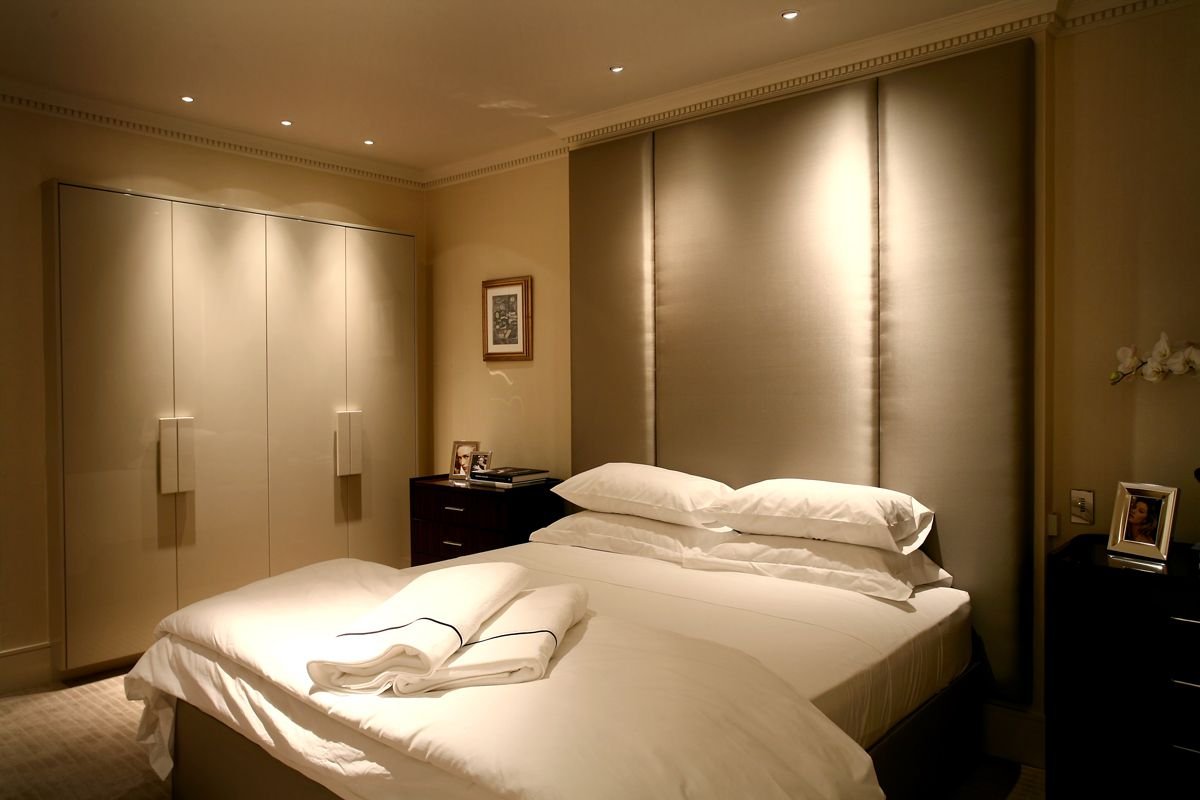
The right bedroom lighting can completely change the feel of a room. A space that feels plain during the day can become warm, relaxing, and inviting with the right combination of lamps, ceiling lights, wall fixtures, and accent lighting.
Good bedroom lighting is not only about choosing a beautiful fixture. It is also about creating enough light for everyday activities while keeping the room comfortable and relaxing at night.
Whether you have a small bedroom, a spacious primary bedroom, or a cozy guest room, these bedroom lighting ideas can help you create a space that feels both functional and stylish.
What Is the Best Lighting for a Bedroom?
The best bedroom lighting usually combines three layers of light: ambient, task, and accent lighting.
Ambient lighting provides general illumination throughout the room. A ceiling fixture, recessed lights, or a large pendant can serve this purpose.
Task lighting is more focused and is useful for activities such as reading. Bedside lamps, wall-mounted reading lights, and adjustable sconces are common examples.
Accent lighting adds atmosphere and highlights specific areas of the room. LED strips, picture lights, and decorative lamps can work well for this layer.
Instead of relying on one bright light in the center of the ceiling, combining different types of lighting gives you more control over the mood and functionality of the bedroom.
25 Bedroom Lighting Ideas
1. Place Matching Lamps on Bedside Tables
One of the easiest ways to improve bedroom lighting is to place a lamp on each bedside table.
Matching lamps create a balanced appearance, while lamps with adjustable shades can provide useful reading light without illuminating the entire room.
Choose a lamp that is appropriately sized for your nightstand so it does not overwhelm the surrounding furniture.
2. Install Wall Sconces Beside the Bed
Wall sconces are a great option when you want to save space on your bedside tables.
They can provide focused light for reading while also adding a decorative element to the wall. Adjustable sconces are particularly practical because you can direct the light where you need it.
If you are installing permanent fixtures, plan their position carefully before drilling or making electrical changes.
3. Hang Pendant Lights Beside the Bed
Instead of using traditional bedside lamps, consider hanging pendant lights on either side of the bed.
This approach frees up space on the nightstands and creates a more distinctive focal point.
Choose pendants with shades that direct light appropriately and make sure their placement does not interfere with normal movement around the bed.
4. Add a Statement Chandelier
A chandelier can become the centerpiece of a larger bedroom.
For a classic look, consider a traditional multi-light design. For a modern room, a simple geometric fixture can make a strong statement without making the space feel overly decorated.
The fixture should complement the scale and style of the bedroom rather than compete with the rest of the décor.
5. Try a Flush-Mount Ceiling Light
Flush-mount fixtures work particularly well in bedrooms with low ceilings.
Because they sit close to the ceiling, they provide general illumination without taking up much visual space.
Look for a design that complements your furniture, wall color, and overall decorating style.
6. Use a Semi-Flush-Mount Fixture
A semi-flush-mount fixture hangs slightly lower than a flush-mount light while still remaining relatively compact.
It can add more visual interest to a bedroom without requiring the ceiling height needed for a chandelier or large pendant.
This makes it a useful middle ground between a simple ceiling light and a statement fixture.
7. Install Recessed Lighting
Recessed lights can provide clean, understated illumination.
Instead of concentrating all the light in one location, several strategically positioned fixtures can help illuminate different parts of the bedroom.
Avoid making the room excessively bright. Bedrooms generally benefit from lighting that can be softened or controlled depending on the time of day.
8. Add LED Strip Lighting
LED strip lighting can create a subtle glow around selected areas of the bedroom.
Try placing it beneath floating shelves, behind a headboard, or underneath suitable furniture.
For a relaxing atmosphere, choose a warm-toned setting rather than extremely cool or harsh light.
9. Create a Backlit Headboard
A backlit headboard can give the bed a soft halo effect.
Hidden lighting behind the headboard is especially effective because the light source itself can remain out of direct view.
This idea works particularly well in modern, minimalist, and contemporary bedrooms.
10. Use Adjustable Reading Lights
If you enjoy reading in bed, dedicated reading lights can make the experience more comfortable.
An adjustable wall light allows you to direct illumination toward your book instead of lighting the entire bedroom.
This can also reduce the need to keep a bright overhead fixture turned on at night.
11. Add a Floor Lamp
A floor lamp can fill an empty corner while providing another layer of illumination.
Place one near a reading chair, dresser, or unused corner where additional light would be useful.
An adjustable floor lamp gives you greater flexibility because you can change the direction of the light.
12. Use a Decorative Table Lamp on a Dresser
A dresser lamp can provide soft illumination away from the bed.
It can also become part of the room’s decorative arrangement when paired with artwork, books, a mirror, or other accessories.
Choose a lamp that is proportional to the dresser rather than one that dominates the entire surface.
13. Add Lighting Around a Vanity
If your bedroom includes a vanity area, good lighting can make it more functional.
Lighting positioned around the mirror can provide useful illumination for grooming and getting ready.
Whenever possible, aim for even lighting rather than relying on a single light source positioned directly above the mirror.
14. Install a Picture Light
A small picture light can draw attention to artwork or a decorative feature wall.
It works particularly well when you want the bedroom to feel more like a thoughtfully designed space rather than simply a room filled with furniture.
Use accent lighting selectively so the room does not become visually cluttered.
15. Highlight Architectural Features
If your bedroom has exposed beams, wall molding, niches, or other architectural details, lighting can emphasize them.
A subtle light directed toward an interesting feature can create depth and visual interest.
This technique is especially useful when the bedroom has a relatively simple color palette.
16. Use a Dimmer With Your Main Light
A dimmer can make a significant difference to bedroom lighting.
Bright light can be useful when cleaning or getting dressed, while a softer setting can create a more relaxing atmosphere in the evening.
Make sure the selected fixture and electrical setup are compatible with the dimmer you plan to use.
17. Choose Warm Light for a Cozy Atmosphere
The color temperature of a light source affects how a bedroom feels.
Warm-toned light generally creates a softer and more relaxing appearance, while cooler light can feel brighter and more energetic.
For a bedroom designed around relaxation, many people prefer warm light rather than very cool, bluish illumination.
18. Layer Different Light Sources
Instead of depending on one fixture, combine several types of lighting.
For example, a bedroom might use:
- A ceiling fixture for general illumination
- Bedside lamps for reading
- A floor lamp for a corner
- Accent lighting behind the headboard
The advantage of layered lighting is flexibility. You can turn on only the lights you need instead of illuminating the entire room every time.
19. Try Globe or Opal Glass Fixtures
Globe-shaped fixtures and opal glass shades can provide a softer decorative appearance.
They can work especially well in contemporary, Scandinavian, minimalist, and mid-century-inspired bedrooms.
Pair them with simple furniture if you want the lighting fixture to become one of the main visual features.
20. Use Black Fixtures for Contrast
Black lighting fixtures can add definition to a neutral bedroom.
A black pendant, sconce, or ceiling fixture can create contrast against light-colored walls and bedding.
For a cohesive look, repeat the dark finish in a few smaller details rather than using it randomly throughout the room.
21. Try Brass or Gold-Toned Lighting
Brass and gold-toned fixtures can add warmth and elegance.
They pair well with neutral colors such as cream, beige, white, taupe, and soft gray.
You do not need to use the same finish everywhere. A few coordinated metallic accents can be enough to make the room feel intentional.
22. Use Two Different Lighting Styles
Your bedroom does not have to contain identical fixtures everywhere.
For example, you could combine a simple ceiling fixture with decorative bedside sconces.
The key is to create some visual connection through finish, shape, color, or overall design style.
23. Add Lighting to a Reading Corner
If your bedroom has enough space for a chair or small seating area, give that area its own light source.
A floor lamp beside a comfortable chair can turn an unused corner into a practical reading spot.
This also creates another layer of lighting that can be used independently from the main bedroom light.
24. Consider Motion-Activated Lighting
Motion-activated lighting can be useful for areas where you need occasional illumination.
For example, subtle lighting near a closet or under suitable furniture can help you navigate the room without turning on the main ceiling light.
Keep the brightness comfortable so the light does not feel harsh at night.
25. Combine Function and Style
The most successful bedroom lighting schemes balance appearance with practicality.
A beautiful pendant is not helpful if it creates glare. A decorative lamp is less useful if it does not provide enough illumination for the activity you need it for.
Before buying a fixture, consider both questions:
Does it look good in the room?
Does it provide the type of light I actually need?
That simple approach can prevent many lighting mistakes.
How to Layer Bedroom Lighting
A well-lit bedroom usually benefits from more than one type of lighting.
Start with ambient lighting for general illumination. This could be a ceiling fixture, recessed lighting, or another suitable overhead source.
Next, add task lighting where specific activities take place. Bedside reading lights, vanity lights, and desk lamps are good examples.
Finally, introduce accent lighting to create atmosphere or highlight specific features. This might include LED strips, picture lights, or lighting behind a headboard.
Think of these layers as separate controls. You should be able to create a brighter environment when you need it and a softer atmosphere when you want to relax.
How to Choose the Right Color Temperature
Light sources are commonly described using color temperature, measured in Kelvin (K).
Lower color temperatures generally appear warmer and more yellow, while higher temperatures tend to look cooler and more blue.
For bedrooms, a warm and comfortable light is often a good choice, particularly for evening use.
However, the best choice depends on the room, your activities, and your personal preference. If the bedroom doubles as a workspace, you may want different lighting for work and relaxation rather than trying to use one light source for everything.
Bedroom Lighting Mistakes to Avoid
Using Only One Ceiling Light
A single overhead fixture can leave parts of the bedroom poorly illuminated while making the center of the room unnecessarily bright.
Layering several sources gives you much more flexibility.
Choosing Extremely Bright Lighting
A bedroom is generally meant to feel comfortable and relaxing. Excessively bright lighting can make the space feel harsh.
Use adjustable fixtures, multiple light sources, or compatible dimming options when appropriate.
Ignoring the Scale of the Fixture
A tiny pendant can disappear in a large bedroom, while an oversized fixture can overwhelm a small room.
Consider the size of the bedroom and surrounding furniture before choosing a fixture.
Creating Too Much Glare
Bare bulbs or poorly positioned fixtures can create uncomfortable glare.
Shades, diffusers, indirect lighting, and thoughtful placement can help create a softer result.
Forgetting About Switch Placement
Think about how you will actually use the room.
It can be inconvenient if the only switch for the main light is far from the bedroom entrance or bed. Plan controls around the way you move through the room.
For permanent electrical work, consult a qualified electrician and follow applicable local electrical requirements.
Bedroom Lighting Ideas for Small Rooms
Small bedrooms need lighting that provides useful illumination without taking up too much space.
Wall sconces are an excellent alternative to bulky bedside lamps. Pendant lights can also free up valuable nightstand space.
Another useful approach is to use lighting to create visual depth. Soft accent lighting behind a headboard or beneath a suitable shelf can make the room feel more layered.
Avoid filling every available surface with lamps. A few carefully selected fixtures can often do more than many competing light sources.
Bedroom Lighting Ideas for Large Bedrooms
Large bedrooms give you more opportunities to create separate lighting zones.
You could combine a statement ceiling fixture with bedside lamps, a reading-corner floor lamp, vanity lighting, and subtle accent lighting.
Think about how each area will be used. The lighting near the bed does not need to illuminate the entire room, and a reading corner can have its own dedicated light.
Creating zones makes a large bedroom feel more intentional and comfortable.
Frequently Asked Questions
What type of lighting is best for a bedroom?
Layered lighting is usually more versatile than relying on a single fixture. Combining ambient, task, and accent lighting allows you to adjust the room for different activities and moods.
Should bedroom lights be warm or cool?
Warm-toned lighting is often preferred for bedrooms because it creates a softer and more relaxing atmosphere. However, the ideal choice depends on how you use the room.
Are wall sconces good for bedrooms?
Yes. Wall sconces can provide useful bedside or reading illumination while saving space on nightstands.
How many lights should a bedroom have?
There is no universal number. The right amount depends on the bedroom’s size, layout, natural light, and activities. Focus on having enough layered lighting rather than reaching a specific number of fixtures.
Are LED lights good for bedrooms?
LED lights can be a practical choice because they are available in many brightness levels and color temperatures. Choose a suitable color temperature and brightness for the intended use.
How can I make my bedroom lighting feel cozier?
Use several softer light sources instead of one very bright fixture. Bedside lamps, warm-toned bulbs, indirect accent lighting, and dimmable fixtures can all help create a more comfortable atmosphere.
Final Thoughts
Good bedroom lighting is about more than choosing an attractive lamp or ceiling fixture. The best lighting plan combines function, comfort, and style.
Start with a source of general illumination, then add task lighting for activities such as reading or getting ready. Finally, use accent lighting to add depth and atmosphere.
Whether you prefer a minimalist bedroom with simple sconces or a more dramatic room with a statement chandelier, the right combination of lighting can make the entire space feel more comfortable and thoughtfully designed.
The most important thing is to choose lighting that works for your room, your routine, and the atmosphere you want to create.