
Home Decor Ideas: 40 Beautiful Ideas for Stylish Spaces
Creating a beautiful home does not always require expensive furniture, a large renovation, or a professional interior designer. With thoughtful choices, simple accessories, and a little creativity, you can transform ordinary rooms into comfortable and stylish spaces.
The best home decor ideas combine beauty with functionality. A room should look attractive, but it should also feel comfortable, organized, and suitable for everyday life. Small changes such as adding artwork, improving lighting, rearranging furniture, or introducing natural textures can make a noticeable difference.
Whether you prefer modern, minimalist, traditional, cozy, or budget-friendly interiors, these 40 home decor ideas can help you create a home that reflects your personality.
What Makes Home Decor Beautiful?
Beautiful home decor is usually based on a few important principles:
- A coordinated color palette
- Comfortable and appropriately sized furniture
- Good lighting
- Balanced decoration
- Useful storage
- A mixture of textures
- Personal details
- Enough open space
- Consistency between rooms
You do not need to follow every trend. Choose ideas that suit your lifestyle, the size of your home, and the atmosphere you want to create.
40 Beautiful Home Decor Ideas
1. Choose a Coordinated Color Palette
Start by selecting two or three main colors for a room. A simple palette helps the space feel connected and organized.
For example, you could combine:
- Warm white with beige and wood
- Gray with black and cream
- Sage green with natural textures
- Navy blue with white and brass
- Terracotta with tan and soft brown
Use the main color on walls or larger furniture, the secondary color on textiles, and the accent color on smaller accessories.
2. Add a Large Statement Mirror
A large mirror can become an attractive focal point in a living room, bedroom, hallway, or entryway. It can also reflect light and make a room feel more open.
Consider placing a mirror:
- Above a console table
- Opposite a window
- Behind a sofa
- Above a bedroom dresser
- Near the entrance
Choose a frame that matches your interior style, such as wood, metal, black, gold, or a simple frameless design.
3. Use Layered Lighting
One ceiling light is rarely enough to create a warm and comfortable atmosphere. Layered lighting combines different types of light for different purposes.
Use:
- Ceiling lighting for general brightness
- Floor or table lamps for soft illumination
- Wall lights for accent lighting
- Under-cabinet lights for work areas
- Decorative lights for atmosphere
Warm lighting is often suitable for relaxing spaces such as bedrooms and living rooms.
4. Create a Comfortable Reading Corner
A small reading corner can make an unused area feel purposeful. You only need a comfortable chair, a small table, and suitable lighting.
Add a few useful details:
- A soft cushion
- A throw blanket
- A floor lamp
- A small bookshelf
- A plant
- A side table for books or tea
Place the reading corner near a window if natural light is available.
5. Decorate Walls With Artwork
Artwork adds personality and visual interest to plain walls. You can use paintings, prints, photographs, illustrations, or handmade artwork.
For a balanced display:
- Choose artwork that complements the room’s colors.
- Keep frames in a coordinated style.
- Avoid placing every piece at a different height.
- Leave enough space between artworks.
- Use one large piece as a focal point or create a gallery wall.
6. Design a Gallery Wall
A gallery wall can display several pieces together in a creative arrangement. It works well above sofas, staircases, beds, desks, or entryway consoles.
You can combine:
- Family photographs
- Abstract prints
- Botanical artwork
- Mirrors
- Decorative plates
- Typography prints
Before hanging anything, arrange the pieces on the floor to test the layout.
7. Add Indoor Plants
Indoor plants bring natural color and texture into a room. They can make a space feel fresher and more welcoming.
Depending on your room’s light conditions, consider:
- Snake plants
- Pothos
- Spider plants
- Peace lilies
- Rubber plants
- Small herbs
- Dried branches
Use attractive pots that match your decor. Choose plants according to their care requirements and available sunlight.
8. Introduce Natural Materials
Natural materials create warmth and visual texture. They can prevent a modern room from feeling too cold or plain.
Useful materials include:
- Wood
- Rattan
- Bamboo
- Jute
- Cotton
- Linen
- Stone
- Woven fibers
You can introduce these materials through baskets, rugs, furniture, lampshades, curtains, or decorative trays.
9. Use Decorative Baskets
Decorative baskets provide both style and storage. They are useful for organizing blankets, toys, magazines, towels, and small household items.
Place baskets:
- Beside a sofa
- Under a console table
- On open shelves
- Near the bed
- In the bathroom
- Inside a wardrobe
Choose baskets with similar colors or textures for a coordinated appearance.
10. Style a Console Table
A console table can make an entryway or living room feel more complete. Avoid covering it with too many objects.
A simple arrangement may include:
- A mirror or artwork above the table
- One table lamp
- A decorative bowl
- A small plant
- A stack of books
- A storage basket underneath
Use objects of different heights to create visual balance.
11. Add a Stylish Area Rug
An area rug can define a seating zone, add comfort, and introduce color or pattern. It is especially useful in open-plan rooms.
When choosing a rug, consider:
- Room size
- Furniture placement
- Cleaning requirements
- Color scheme
- Foot traffic
- Material
A rug should be large enough to connect the main furniture instead of appearing isolated in the center of the room.
12. Mix Different Textures
A room can feel flat when every surface has the same finish. Mixing textures adds depth without requiring many colors.
Try combining:
- Smooth wood
- Soft upholstery
- Woven baskets
- Textured cushions
- Ceramic accessories
- Glass surfaces
- Natural stone
- Knitted throws
Keep the color palette consistent so the room still feels organized.
13. Use Cushions and Throws
Cushions and throws are easy ways to update a sofa, chair, or bed. They can introduce seasonal colors and make furniture more comfortable.
For a balanced look:
- Combine different sizes.
- Mix plain and patterned fabrics.
- Use complementary colors.
- Avoid using too many unrelated prints.
- Choose washable materials for busy homes.
14. Create a Cozy Bedroom
A bedroom should feel calm, comfortable, and personal. Soft colors and layered textiles can help create a relaxing atmosphere.
Consider adding:
- Comfortable bedding
- Bedside lamps
- Soft curtains
- A rug beside the bed
- Decorative cushions
- Simple artwork
- A tidy nightstand
Avoid excessive decoration that makes the room feel crowded.
15. Design a Stylish Entryway
The entryway creates the first impression of your home. Even a narrow entrance can become useful and attractive.
Include:
- A slim console table
- Wall hooks
- A mirror
- A small bench
- A shoe cabinet
- A basket for accessories
- A durable rug
Keep the entryway clear so people can move through it easily.
16. Use Floating Shelves
Floating shelves provide display and storage space without taking up floor area. They are useful in living rooms, bedrooms, kitchens, bathrooms, and home offices.
Display a limited selection of:
- Books
- Plants
- Framed photographs
- Small artwork
- Candles
- Decorative ceramics
- Travel souvenirs
Leave some empty space between objects to prevent a cluttered appearance.
17. Create a Feature Wall
A feature wall adds emphasis to one area of a room. You can create one using paint, wallpaper, wood panels, textured finishes, or artwork.
Good locations include:
- Behind the bed
- Behind the sofa
- Around a fireplace
- Behind a dining table
- In an entryway
Choose one wall rather than applying a strong finish to every surface.
18. Decorate With Wallpaper
Wallpaper can introduce pattern, texture, and personality. It is available in many styles, including floral, geometric, botanical, striped, and textured designs.
For a subtle effect, use wallpaper on one wall. In a small room, lighter patterns may help maintain an open appearance.
Always check the product’s cleaning and installation requirements before choosing it for kitchens or bathrooms.
19. Use Wood Accents
Wood accents can make a room feel warm and timeless. You do not need to install full wood walls or replace all your furniture.
Try adding:
- A wooden coffee table
- Floating wood shelves
- A wood-framed mirror
- Wooden picture frames
- A small bench
- Decorative trays
- Wood cabinet fronts
Use similar wood tones where possible to create a cohesive look.
20. Create a Minimalist Living Room
Minimalist decor focuses on useful furniture, simple shapes, and a calm color palette. The goal is not to make the room empty, but to remove unnecessary clutter.
A minimalist living room may include:
- A comfortable sofa
- One coffee table
- A simple rug
- Limited artwork
- Hidden storage
- A few carefully chosen accessories
Keep walkways clear and choose furniture that fits the room properly.
21. Add a Small Home Office Area
If you work or study at home, create a dedicated workspace. Even a small corner can become functional with the right furniture.
Consider using:
- A compact desk
- A comfortable chair
- Wall shelves
- A desk lamp
- Cable organizers
- A pinboard
- Storage boxes
Choose a location with suitable lighting and minimal distractions.
22. Organize Open Shelving Carefully
Open shelves can be attractive, but they need regular organization. Group items by color, function, or material.
For example, you can arrange:
- Books in one section
- Ceramics in another
- Plants on the upper shelf
- Baskets on the lower shelf
Avoid filling every shelf completely. Empty space helps the display look intentional.
23. Decorate the Dining Area
A dining area can feel more inviting with simple styling. A centerpiece, attractive lighting, and comfortable seating can make everyday meals feel special.
Ideas include:
- A pendant light above the table
- A ceramic vase
- A fruit bowl
- Linen napkins
- A washable runner
- Framed artwork
- A small plant
Keep the centerpiece low enough that people can see across the table.
24. Add Pendant Lighting
Pendant lights can provide useful illumination and become a decorative feature. They work well above:
- Dining tables
- Kitchen islands
- Breakfast counters
- Bedside tables
- Entryway consoles
Choose a size and height that suit the room. Make sure the light does not obstruct movement or block important views.
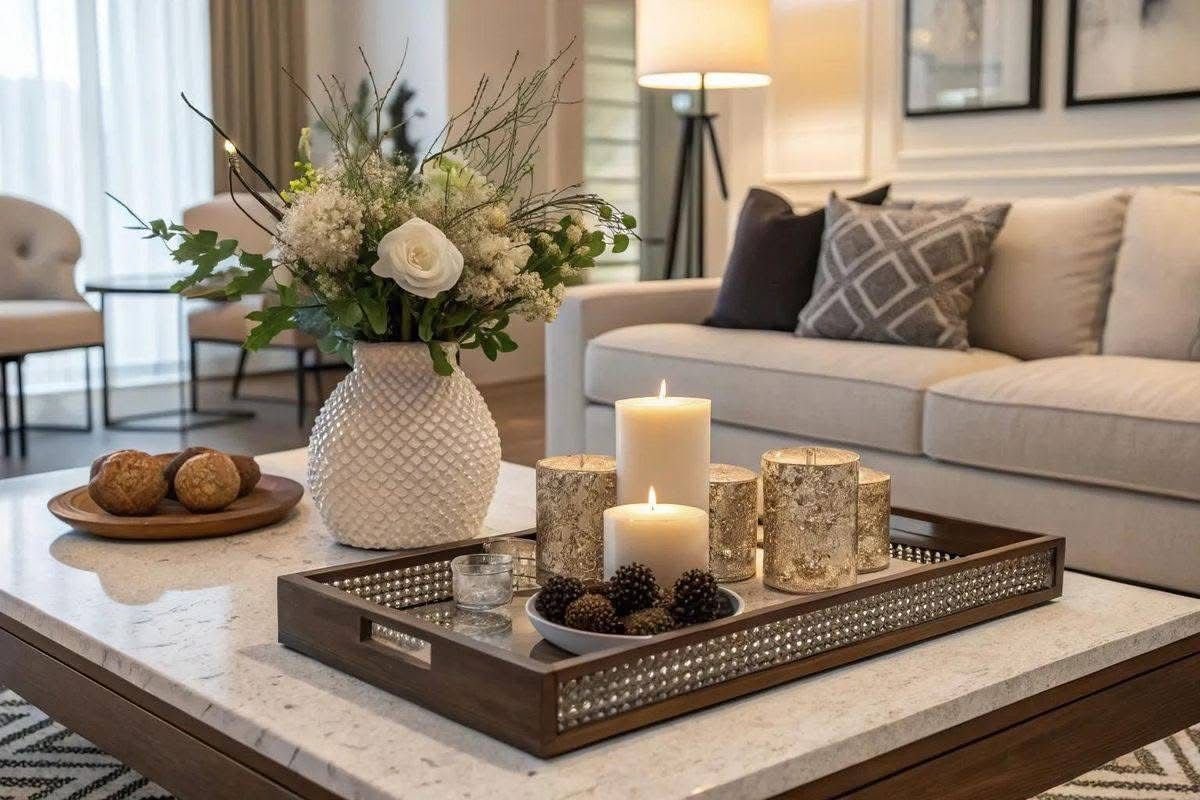
25. Use Decorative Trays
A decorative tray helps group small objects into one organized arrangement. It can be used on coffee tables, dressers, bathroom counters, kitchen counters, and bedside tables.
A tray can hold:
- Candles
- Perfume bottles
- Small plants
- Remote controls
- Hand creams
- Decorative bowls
- Coffee accessories
Grouping objects makes the surface look more organized.
26. Refresh Cabinet Hardware
Replacing cabinet handles and knobs can update a kitchen, bathroom, or storage unit without replacing the entire cabinet.
Popular hardware finishes include:
- Matte black
- Brushed brass
- Chrome
- Brushed nickel
- Bronze
- Natural wood
Choose hardware that is comfortable to use and matches the room’s other finishes.
27. Improve Bathroom Decor
Bathrooms can be stylish as well as practical. Small updates can create a more attractive and comfortable space.
Try adding:
- Matching towels
- A framed mirror
- Woven storage baskets
- Simple wall art
- A small plant suitable for the environment
- Attractive soap dispensers
- Better lighting
- A coordinated bath mat
Keep materials suitable for moisture and easy to clean.
28. Use Mirrors in Small Rooms
Mirrors are especially useful in small living rooms, bedrooms, hallways, and bathrooms. They can reflect light and create a sense of additional space.
For the best result, place the mirror where it reflects something attractive, such as a window, artwork, or a well-decorated area.
29. Create a Cozy Balcony or Patio
Outdoor areas can become an extension of your home. Even a small balcony can be improved with comfortable seating and weather-appropriate accessories.
Consider adding:
- Foldable chairs
- A compact table
- Outdoor cushions
- Potted plants
- String lighting
- An outdoor rug
- A privacy screen
Choose materials that can handle the local weather conditions.
30. Decorate With Books
Books can add color, personality, and height to a room. Place them on coffee tables, shelves, bedside tables, or console tables.
You can arrange books:
- By color
- By size
- By subject
- In horizontal stacks
- Beside a small decorative object
Use books you enjoy or that reflect your interests.
31. Add Personal Memories
Personal items make a home feel unique. Family photographs, travel souvenirs, handmade crafts, and meaningful gifts can create emotional warmth.
Display personal objects selectively so they enhance the room without creating clutter.
32. Use Symmetry for a Balanced Look
Symmetry can make a room feel calm and organized. For example, place matching lamps on both sides of a bed or use two similar chairs near a console table.
Symmetry is not required everywhere, but it can be helpful in bedrooms, formal living rooms, and entryways.
33. Combine Old and New Decor
Mixing vintage and modern pieces can create a more interesting interior. A contemporary sofa may look attractive with an antique table, traditional artwork, or a vintage mirror.
Choose one or two older pieces as focal points and connect them with a consistent color palette.
34. Choose Multi-Functional Furniture
Multi-functional furniture is useful in small homes and busy rooms. It can provide more than one purpose while reducing clutter.
Examples include:
- Storage ottomans
- Sofa beds
- Nesting tables
- Benches with storage
- Foldable desks
- Beds with drawers
- Extendable dining tables
Measure the room carefully before purchasing large furniture.
35. Decorate With Neutral Colors
Neutral colors create a calm and flexible foundation. Shades such as cream, beige, taupe, white, gray, and soft brown can work with many styles.
Add interest through:
- Different textures
- Natural materials
- Artwork
- Plants
- Accent cushions
- Metallic details
- Patterned rugs
Neutral does not have to mean boring. Texture and contrast can make a neutral room feel rich.
36. Add One Bold Accent
A single bold accent can give a room more personality. Choose one strong feature rather than using many competing statement pieces.
Ideas include:
- A colorful armchair
- A patterned rug
- A bright artwork
- A bold cushion
- A dramatic lamp
- A painted cabinet
- A colorful vase
Repeat a small amount of the accent color elsewhere to create balance.
37. Improve Curtain and Window Styling
Curtains influence the light, privacy, and appearance of a room. Choose a fabric and length that suit the space.
Useful tips include:
- Hang curtains high to create a taller appearance.
- Choose light fabrics for bright rooms.
- Use heavier curtains where privacy is important.
- Coordinate curtain colors with rugs and upholstery.
- Keep window areas uncluttered.
Make sure the curtains are practical to open, close, and clean.
38. Create Hidden Storage
Hidden storage helps maintain a clean appearance. It is especially useful in small homes, family rooms, and bedrooms.
Consider:
- Storage benches
- Closed cabinets
- Baskets under tables
- Beds with drawers
- Built-in wardrobes
- Wall-mounted cabinets
- Ottomans with storage
Use labels or internal organizers so hidden storage does not become disorganized.
39. Refresh Decor Seasonally
Small seasonal changes can keep your home feeling fresh without a complete redesign.
For example:
- Use lighter fabrics in warmer months.
- Add cozy throws during cooler seasons.
- Change cushion covers.
- Display seasonal flowers.
- Update table accessories.
- Rotate artwork or decorative objects.
Store seasonal items in labeled containers to make changes easier.
40. Keep Your Home Personal and Functional
The most successful home decor reflects the people who live there. Do not choose furniture or accessories only because they are fashionable.
Ask yourself:
- Is the furniture comfortable?
- Can the room be cleaned easily?
- Does the layout support daily activities?
- Do the colors feel pleasant?
- Is there enough storage?
- Do the decorative items have meaning?
- Can the room adapt to future needs?
A beautiful home should also be practical, welcoming, and easy to live in.
Home Decor Ideas for Small Spaces
Small spaces benefit from careful planning and flexible furniture. Try these solutions:
- Use wall-mounted shelves.
- Choose furniture with built-in storage.
- Keep the color palette simple.
- Use mirrors to reflect light.
- Select furniture that fits the room.
- Avoid blocking windows.
- Use foldable or nesting furniture.
- Store items vertically.
- Keep surfaces mostly clear.
- Choose one main focal point.
The goal is to make every item useful without making the room feel crowded.
Budget-Friendly Home Decor Ideas
You can refresh your home without spending a large amount of money. Consider these affordable changes:
- Rearrange existing furniture.
- Change cushion covers.
- Paint one feature wall.
- Replace cabinet handles.
- Create DIY artwork.
- Add affordable indoor plants.
- Reuse glass jars as storage.
- Change lampshades.
- Add a small decorative rug.
- Declutter and reorganize shelves.
- Refinish an old table.
- Display meaningful photographs.
- Use baskets for storage.
- Update curtains or curtain accessories.
- Move decorative items between rooms.
A clean layout and thoughtful styling can often make a bigger difference than expensive accessories.
Common Home Decor Mistakes
Using Too Many Decorative Items
Too many accessories can make a room feel crowded. Choose a smaller number of meaningful and attractive pieces.
Choosing Furniture That Is Too Large
Large furniture can reduce walking space and make a room uncomfortable. Measure carefully before buying.
Ignoring Lighting
Even beautiful decor can look unattractive under poor lighting. Use a mixture of general, task, and accent lighting.
Matching Everything Exactly
A room can feel artificial when every item has the same color, material, or pattern. Use coordinated contrasts instead.
Forgetting Functionality
Decor should not block doors, windows, walkways, or important storage areas.
Following Every Trend
Trends change quickly. Choose timeless basics and add smaller trendy accessories that can be replaced easily.
Leaving Clutter Unmanaged
Regular decluttering helps your home remain attractive and functional. Give everyday items a designated place.
Frequently Asked Questions
What are the best home decor ideas for beginners?
Start with a coordinated color palette, better lighting, comfortable furniture placement, artwork, plants, and simple storage. These changes can improve a room without requiring a major renovation.
How can I decorate my home on a low budget?
Rearrange furniture, repaint a wall, change cushion covers, use DIY artwork, add plants, update cabinet hardware, and organize existing items before buying new decor.
How do I make my home look more modern?
Choose simple furniture, clean lines, a coordinated color palette, layered lighting, minimal clutter, and a mixture of natural and contemporary materials.
What colors make a home feel cozy?
Warm white, beige, cream, soft brown, muted green, terracotta, and warm gray can create a comfortable atmosphere when combined with suitable lighting and textures.
How can I make a small room look bigger?
Use appropriately sized furniture, keep walkways clear, choose lighter colors, add mirrors, use vertical storage, and avoid overcrowding the room with accessories.
How often should I update my home decor?
There is no fixed schedule. Small seasonal changes can refresh a room, while larger updates can be made when your needs, preferences, or furniture requirements change.
Final Thoughts
These home decor ideas show that a beautiful home can be created through thoughtful design, practical organization, and personal style. You can begin with small changes such as adding artwork, improving lighting, introducing plants, changing textiles, or rearranging furniture.
The most important principle is to create rooms that look attractive and support your everyday life. Choose colors, furniture, and accessories that make you feel comfortable, and avoid adding items simply to fill empty space.
With a little planning and creativity, every room can become more welcoming, functional, and stylish.