
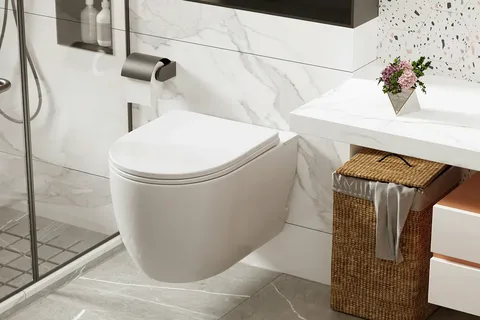
A concealed toilet cistern is a popular choice for modern bathrooms because the water tank is hidden behind a wall, furniture unit, or specially designed frame. Instead of seeing a traditional cistern behind the toilet, you get a cleaner and more streamlined appearance.
Concealed cisterns are especially useful in contemporary bathrooms, small spaces, ensuite bathrooms, and minimalist interiors. They can also make cleaning around the toilet easier because there are fewer exposed surfaces.
In this guide, we’ll explain what a concealed toilet cistern is, how it works, its main benefits and disadvantages, different types, installation considerations, maintenance, and what to look for before buying one.
What Is a Concealed Toilet Cistern?
A concealed toilet cistern is a toilet water tank that is installed behind a wall or inside a specially designed furniture unit.
The cistern itself is hidden from view, while the toilet pan and flush plate remain visible. When you press the flush button, the mechanism inside the concealed cistern releases water into the toilet pan.
Unlike a traditional close coupled toilet, where the cistern sits directly behind the toilet, a concealed cistern creates a more streamlined appearance.
How Does a Concealed Toilet Cistern Work?
Although the cistern is hidden, the basic flushing process is similar to a standard toilet.
The system generally includes:
- A concealed water cistern
- Flush mechanism
- Flush plate or buttons
- Water inlet connection
- Toilet pan
- Waste outlet
- Supporting frame where required
When the flush plate is pressed, the flush valve opens and allows water from the cistern to enter the toilet pan. After flushing, the cistern refills automatically.
Many modern systems offer dual flush buttons, allowing you to choose between a smaller and larger flush.
Types of Concealed Toilet Cisterns
There are several types of concealed cistern systems available, depending on the bathroom layout and toilet design.
1. Wall-Hung Toilet Cistern System
This setup is commonly used with wall-hung toilets.
The cistern and supporting frame are hidden behind the wall, while the toilet pan appears to float above the floor.
Best for: Modern and minimalist bathrooms.
2. Back-to-Wall Toilet Cistern
A back-to-wall toilet can be paired with a concealed cistern hidden behind a wall or furniture unit.
The toilet sits directly on the floor while the cistern remains out of sight.
Best for: Contemporary bathrooms where you want a clean appearance without a wall-hung toilet.
3. Furniture-Covered Cistern
Some concealed cisterns are installed inside bathroom furniture.
The furniture can provide additional storage while hiding the cistern.
Best for: Bathrooms where storage space is important.
4. Slim Concealed Cistern
Slimline systems are designed for situations where wall depth is limited.
They can be useful in smaller bathrooms, although the required installation depth depends on the specific system.
Best for: Space-conscious bathroom layouts.
Benefits of a Concealed Toilet Cistern
A concealed toilet cistern offers several advantages that make it attractive for modern bathroom designs.
1. Cleaner Appearance
The biggest benefit is the streamlined look.
With the cistern hidden, the bathroom can appear less cluttered and more contemporary.
2. Easier Cleaning Around the Toilet
A traditional exposed cistern can create additional areas where dust and dirt collect.
With a concealed system, there are fewer exposed surfaces around the toilet, which can make everyday cleaning simpler.
3. Great for Modern Bathrooms
Concealed cisterns work particularly well with minimalist, contemporary, and luxury-inspired bathroom designs.
They pair naturally with wall-hung and back-to-wall toilets.
4. Space-Efficient Design
Moving the cistern behind the wall or into furniture can help create a more compact visual layout.
This can be particularly useful in smaller bathrooms where every part of the design needs to work efficiently.
5. Dual Flush Options
Many modern concealed cisterns feature dual flush technology.
This gives you the option of using a smaller or larger flush depending on your needs.
6. Flexible Bathroom Design
Because the cistern isn’t sitting visibly behind the toilet, designers have more flexibility when planning the overall appearance of the bathroom.
Are Concealed Toilet Cisterns Better Than Exposed Cisterns?
Neither option is automatically better for every bathroom.
The right choice depends on your budget, bathroom layout, installation access, maintenance preferences, and desired appearance.
| Feature | Concealed Cistern | Exposed Cistern |
|---|---|---|
| Appearance | Clean and modern | Traditional |
| Cistern visibility | Hidden | Visible |
| Cleaning | Fewer exposed surfaces | More surfaces to clean |
| Installation | More involved | Usually simpler |
| Maintenance access | Requires access through service area | Easy direct access |
| Design flexibility | High | Moderate |
| Initial installation | Can cost more | Usually more straightforward |
If appearance and a minimalist design are priorities, a concealed cistern can be an excellent option.
If simple installation and easy access are more important, an exposed cistern may be preferable.
What to Consider Before Buying a Concealed Toilet Cistern
Choosing the right concealed cistern requires more than simply picking a design you like.
Check the Dimensions
Measure the available wall or furniture space before purchasing.
Check:
- Cistern width
- Cistern height
- Installation depth
- Frame dimensions
- Required service space
- Toilet pan compatibility
Always compare the manufacturer’s dimensions with your actual bathroom measurements.
Check Toilet Compatibility
Not every concealed cistern works with every toilet.
Make sure the cistern, frame, flush plate, and toilet pan are designed to work together.
This is particularly important with wall-hung toilet systems.
Think About Maintenance Access
Although the cistern is hidden, it still needs to be accessible for maintenance.
A good installation should provide a suitable service opening, often through the flush plate or another designed access point.
Avoid designs where the cistern would require major wall work simply to reach internal components.
Choose the Right Flush Plate
The flush plate is one of the most visible parts of a concealed cistern system.
You can often choose from different:
- Colours
- Finishes
- Shapes
- Button styles
- Materials
Choose a finish that complements the rest of your bathroom fixtures.
Consider Water Efficiency
Look for a cistern with an efficient flushing system and appropriate flush options.
A dual-flush design can provide greater flexibility for everyday use.
Concealed Toilet Cistern Installation
Installing a concealed toilet cistern generally requires more planning than installing a traditional exposed cistern.
The installation may involve:
- Measuring the available space
- Positioning the supporting frame or cistern
- Connecting the water supply
- Connecting the waste pipe
- Securing the toilet frame where applicable
- Testing the flushing mechanism
- Creating the required wall or furniture enclosure
- Installing the flush plate
- Fitting the toilet pan
- Testing the entire system for leaks and proper operation
Because water and waste connections are involved, professional installation is usually the safest choice, particularly when significant wall or plumbing work is required.
Can You Install a Concealed Cistern in a Small Bathroom?
Yes, concealed cisterns can work very well in small bathrooms.
A concealed system can create a visually cleaner layout and may help the room feel less crowded.
For a small bathroom, consider:
- A slimline cistern
- A compact toilet pan
- A wall-hung toilet where suitable
- A recessed installation
- Light-coloured wall finishes
- A simple flush plate
- Wall-mounted storage
However, don’t choose a cistern based only on its advertised compact dimensions. You also need to account for plumbing, wall construction, access requirements, and the toilet’s overall projection.
Concealed Cistern Maintenance
One common concern is maintenance.
Because the cistern is hidden, it is important to choose a system that has properly designed service access.
Routine maintenance may include:
- Checking for leaks
- Inspecting the flush mechanism
- Checking the inlet valve
- Cleaning suitable internal components
- Checking the flush plate
- Replacing worn seals when necessary
If you notice continuous running water, weak flushing, unusual noises, or water appearing where it shouldn’t, the system should be inspected promptly.
Common Problems With Concealed Toilet Cisterns
Like any plumbing system, concealed cisterns can develop problems.
Running Water
A toilet that continues to run after flushing may have an issue with the flush valve, inlet valve, seal, or water level.
Weak Flush
Poor flushing can sometimes be related to the cistern settings, toilet design, water supply, or an issue with the flushing mechanism.
Flush Button Problems
If the flush plate becomes difficult to press or doesn’t operate correctly, the connection between the plate and internal mechanism may need inspection.
Leaks
A leak inside a concealed installation can be more difficult to identify than one from an exposed cistern.
This is why proper installation and access are important.
How to Make a Concealed Toilet Look Stylish
A concealed toilet cistern naturally suits modern bathroom interiors, but a few design choices can make the overall result even better.
Match the Flush Plate
Choose a flush plate that complements your taps, shower fittings, and other bathroom hardware.
Use a Minimalist Wall Design
A simple wall behind the toilet can make the concealed system stand out without making the bathroom feel busy.
Add a Small Shelf
If the cistern is enclosed behind a suitable boxing or furniture unit, the top surface can sometimes become a useful shelf.
Combine With Wall-Hung Fixtures
Wall-hung toilets and other wall-mounted bathroom elements can create a clean, coordinated appearance.
For more bathroom styling inspiration, you can also connect this article internally to your Bathroom Decor Ideas article.
Concealed Cistern vs Close Coupled Toilet
A close coupled toilet has its cistern positioned directly behind the toilet pan, making both components visible.
A concealed cistern hides the tank behind a wall or furniture.
A close coupled toilet can be easier to install and access, while a concealed system usually provides a cleaner appearance.
If you’re deciding between the two, consider the long-term maintenance requirements as well as the initial appearance.
You can also internally link this section to your Close Coupled Toilet article to help readers compare both options.
Is a Concealed Toilet Cistern Worth It?
A concealed toilet cistern can be worth considering if you want a modern bathroom with a clean and uncluttered appearance.
It may be especially suitable when:
- You prefer minimalist bathroom designs
- You want a wall-hung toilet
- You are renovating the bathroom
- You want to hide plumbing components
- You prefer a streamlined toilet area
- You have a suitable wall or furniture installation space
However, installation planning is more important than with a basic exposed cistern.
Frequently Asked Questions
What is a concealed toilet cistern?
A concealed toilet cistern is a water tank installed behind a wall, inside furniture, or within another concealed structure. Only the toilet and flush plate are visible.
Are concealed cisterns reliable?
A good-quality concealed cistern can provide reliable everyday performance when correctly installed and maintained.
Can a concealed cistern be repaired?
Yes. Many systems are designed with access through the flush plate or a dedicated service opening, allowing internal components to be inspected or replaced.
Are concealed cisterns suitable for small bathrooms?
Yes. Their streamlined appearance and flexible installation options can work particularly well in compact bathrooms.
Do concealed cisterns save space?
They can help create a more compact visual layout, but the cistern and plumbing still require physical installation space behind the wall or inside a furniture unit.
Can I use a concealed cistern with a back-to-wall toilet?
Yes. Many back-to-wall toilet systems are specifically designed to work with concealed cisterns.
What is the difference between a concealed cistern and a hidden cistern?
In most bathroom discussions, the terms are used to describe a cistern that is not exposed and is installed behind a wall, furniture unit, or other enclosure.
Final Thoughts
A concealed toilet cistern can transform the appearance of a bathroom by hiding the bulky water tank and creating a cleaner, more streamlined design.
It can be a particularly good choice for modern, minimalist, small, and contemporary bathrooms. However, correct measurements, toilet compatibility, installation access, and maintenance should all be considered before making a decision.
If you’re planning a bathroom renovation, compare the concealed cistern with a traditional close coupled toilet and choose the system that best matches your space, budget, design preferences, and long-term maintenance needs.