
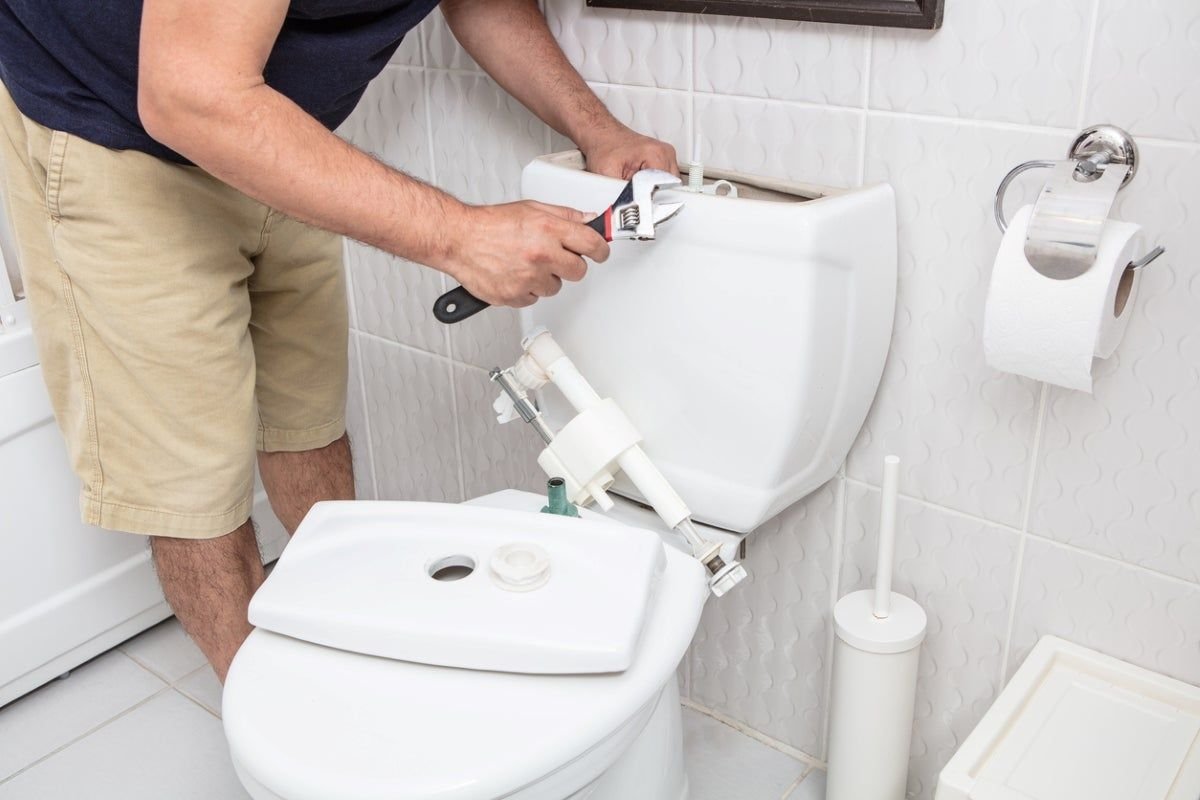
If you are choosing a new toilet for your bathroom, you may have come across the term close coupled toilet. But what exactly does it mean, and how is it different from other toilet designs?
A close coupled toilet is one of the most common toilet styles used in modern and traditional bathrooms. Its cistern is positioned directly on the back of the toilet pan, creating a compact two-piece unit.
This design is practical, relatively straightforward, and available in many different styles and sizes. In this guide, we’ll explain what a close coupled toilet is, how it works, its advantages and disadvantages, how it compares with other toilet types, and what to consider before buying one.
What Is a Close Coupled Toilet?
A close coupled toilet is a toilet where the water cistern is attached directly to the back of the toilet pan.
The cistern sits immediately above and behind the pan rather than being installed separately on the wall. The two components work together as one compact toilet unit.
When you press the flush button or handle, water stored in the cistern flows into the toilet pan and flushes the waste through the toilet’s outlet.
The term “close coupled” refers to the close connection between the cistern and toilet pan.
How Does a Close Coupled Toilet Work?
A close coupled toilet has a relatively simple flushing system.
The main components normally include:
- Toilet pan
- Toilet cistern
- Flush valve
- Flush button or handle
- Inlet valve
- Water supply connection
- Toilet seat
- Waste outlet
When the toilet is flushed, the flush mechanism releases water from the cistern into the pan.
After flushing, the inlet valve allows the cistern to refill with water so it is ready for the next flush.
Many modern close coupled toilets use a dual flush system, which provides different flush volumes.
What Are the Main Parts of a Close Coupled Toilet?
Understanding the main components can make it easier to choose and maintain your toilet.
1. Toilet Pan
The pan is the main lower section of the toilet. It holds the toilet seat and connects to the waste outlet.
2. Cistern
The cistern stores the water used for flushing.
In a close coupled design, the cistern sits directly on the back of the toilet pan.
3. Flush Mechanism
The flush mechanism controls the release of water from the cistern.
Modern toilets commonly use push-button flushes.
4. Inlet Valve
The inlet valve controls the flow of water into the cistern after flushing.
5. Flush Button
The flush button activates the flushing mechanism.
Many modern toilets have two buttons for different flush volumes.
6. Toilet Seat
The seat is fitted to the top of the toilet pan and may be available in different shapes, materials, and closing mechanisms.
Close Coupled Toilet vs Traditional High-Level Toilet
A close coupled toilet should not be confused with an older high-level toilet.
A high-level toilet normally has a cistern mounted much higher on the wall and connected to the pan with a pipe.
A close coupled toilet keeps the cistern directly above the pan.
This makes the close coupled design more compact and suitable for a wide range of bathroom styles.
Benefits of a Close Coupled Toilet
There are several reasons close coupled toilets remain popular.
1. Compact Design
The cistern and pan form one relatively compact unit.
This makes the design suitable for many bathrooms, including smaller spaces.
2. Easy to Find
Close coupled toilets are widely available in different sizes, shapes, colours, and designs.
This gives homeowners plenty of options when replacing an old toilet or renovating a bathroom.
3. Simple Appearance
The straightforward shape works with both modern and traditional bathroom interiors.
You can find close coupled toilets with rounded, square, curved, and more minimalist designs.
4. Generally Straightforward Maintenance
Because the cistern is visible and accessible, components can usually be reached more easily than those inside a concealed cistern system.
This can make routine inspection and repairs more straightforward.
5. Wide Choice of Designs
Close coupled toilets are available with features such as:
- Dual flush buttons
- Soft-close seats
- Rimless designs
- Compact pans
- Back-to-wall configurations
- Different cistern shapes
- Different finishes and styles
6. Suitable for Bathroom Renovations
A close coupled toilet can be a practical choice when replacing an existing toilet, particularly when the existing plumbing arrangement is compatible.
However, measurements and waste outlet positions should always be checked before purchasing.
Are There Any Disadvantages?
Although close coupled toilets are practical, they may not be ideal for every bathroom.
The Cistern Is Visible
Unlike a concealed toilet cistern, the water tank remains visible.
If you want a completely minimalist bathroom, a concealed system may provide a cleaner appearance.
More Surfaces to Clean
Because the cistern and pipe connections are exposed, there can be more surfaces around the toilet that require cleaning.
Takes More Visual Space
The cistern sits behind the pan, so the toilet can have a larger visual presence than some wall-hung or concealed-cistern designs.
Close Coupled Toilet vs Concealed Cistern Toilet
One of the most common comparisons is between a close coupled toilet and a concealed cistern system.
| Feature | Close Coupled Toilet | Concealed Cistern Toilet |
|---|---|---|
| Cistern | Visible | Hidden |
| Appearance | Traditional to modern | Minimalist and modern |
| Installation | Usually simpler | More involved |
| Maintenance access | Generally straightforward | Requires designed access |
| Cleaning | More exposed surfaces | Fewer exposed surfaces |
| Design flexibility | High | High |
| Wall work | Usually limited | May require wall or furniture work |
A close coupled toilet can be a practical choice when you want easier access and a straightforward installation.
A concealed cistern can be more appealing when the main priority is a streamlined bathroom appearance.
Close Coupled Toilet vs Wall Hung Toilet
A wall-hung toilet is mounted on a supporting frame inside or behind the wall, while a close coupled toilet normally sits directly on the floor.
A wall-hung toilet can create a more open appearance underneath the pan, while a close coupled toilet offers a familiar floor-mounted design.
The best option depends on your bathroom structure, budget, plumbing arrangement, design preferences, and installation requirements.
Are Close Coupled Toilets Good for Small Bathrooms?
Yes, a close coupled toilet can work well in a small bathroom.
However, the overall dimensions are important.
When choosing a close coupled toilet for a compact space, check:
- Overall projection from the wall
- Toilet width
- Toilet height
- Cistern size
- Door clearance
- Space around the toilet
- Waste outlet position
A compact close coupled model may be more suitable than a larger design.
For very tight bathrooms, compare the dimensions of close coupled, back-to-wall, and wall-hung options before making your final choice.
What to Check Before Buying a Close Coupled Toilet
Don’t choose a toilet based only on appearance.
1. Measure Your Bathroom
Measure the available space before ordering.
Pay particular attention to the distance from the wall to the front of the toilet and the space available around it.
2. Check the Waste Outlet
Different toilets can use different waste outlet configurations.
Make sure the toilet is compatible with your existing plumbing or planned installation.
3. Check the Water Inlet
The location of the water supply connection should also be compatible with the toilet design.
4. Consider the Flush Type
A dual flush can offer different flush options, while other toilets may use a single flush mechanism.
5. Check the Seat
Look at the included seat and its features.
A soft-close seat, for example, can provide quieter everyday use.
6. Consider Cleaning
Some modern toilet designs are created with easier cleaning in mind.
A smoother shape or rimless design may be worth considering if easy maintenance is a priority.
7. Check the Manufacturer’s Dimensions
Never rely on the general description of a toilet being “compact.”
Always check the exact dimensions provided for the specific model.
How to Clean a Close Coupled Toilet
Regular cleaning helps keep the toilet hygienic and looking its best.
A simple routine includes:
- Clean the toilet seat and lid with an appropriate bathroom cleaner.
- Clean the outside of the toilet pan.
- Clean the exposed cistern surfaces.
- Clean around the base of the toilet.
- Clean the inside of the pan using a suitable toilet cleaner.
- Wipe the flush button or handle.
- Follow the manufacturer’s cleaning recommendations.
Avoid using cleaning products or tools that could damage the toilet’s finish or components.
Common Close Coupled Toilet Problems
Like any toilet, a close coupled model can develop problems over time.
Toilet Keeps Running
Continuous water flow can be caused by an issue with the flush valve, inlet valve, seal, or water level.
Flush Button Stops Working Properly
A damaged or disconnected internal mechanism can make the flush button difficult to use.
Cistern Takes Too Long to Fill
This may be related to the water supply or inlet valve.
Small Leak Around the Cistern
Connections between the cistern and pan should be checked if water is appearing where it shouldn’t.
If you are unsure about a plumbing problem, getting help from a qualified plumber can prevent a small issue from becoming a larger one.
Can You Replace a Close Coupled Toilet?
Yes, a close coupled toilet can generally be replaced, but the new toilet needs to be compatible with the existing bathroom layout.
Before replacement, check:
- Waste outlet position
- Water supply position
- Available floor space
- Toilet dimensions
- Fixing points
- Cistern connections
A professional can also confirm whether the existing plumbing needs modification.
How Long Does a Close Coupled Toilet Last?
The lifespan of a toilet depends on its construction, installation, usage, cleaning, and maintenance.
The ceramic toilet pan itself can potentially last for many years, while smaller components such as seals, valves, and flushing mechanisms may need replacement sooner.
This means a toilet does not necessarily need to be completely replaced when an internal component wears out.
Is a Close Coupled Toilet a Good Choice?
For many bathrooms, yes.
A close coupled toilet can be a good choice if you want:
- A practical floor-mounted toilet
- A widely available design
- Easy access to the cistern
- A relatively straightforward installation
- A choice of traditional and modern styles
- A compact toilet arrangement
However, if you strongly prefer a completely minimalist appearance, you may want to compare it with a concealed cistern or wall-hung toilet.
Frequently Asked Questions
What is a close coupled toilet?
A close coupled toilet is a toilet where the cistern is positioned directly on the back of the toilet pan. The two parts form a compact toilet unit.
Why is it called a close coupled toilet?
It is called “close coupled” because the cistern is closely connected to and positioned directly above the toilet pan.
Is a close coupled toilet the same as a normal toilet?
Close coupled toilets are one of the most common toilet designs, but “normal toilet” can refer to several different styles. A close coupled toilet specifically has its cistern attached directly to the pan.
Are close coupled toilets suitable for small bathrooms?
Yes. Compact close coupled models can work well in smaller bathrooms, provided their dimensions and required clearance fit the available space.
What is the difference between a close coupled and concealed cistern toilet?
A close coupled toilet has a visible cistern directly behind the pan. A concealed cistern toilet hides the cistern behind a wall, furniture unit, or other enclosure.
Are close coupled toilets easy to maintain?
They can be relatively straightforward to maintain because the cistern and many components are accessible without removing a wall or enclosure.
Can a close coupled toilet have a dual flush?
Yes. Many modern close coupled toilets use dual-flush mechanisms.
Can you replace a close coupled toilet with a concealed toilet?
Potentially, but the installation may require changes to the plumbing, wall structure, or bathroom layout. The specific requirements depend on the existing setup and the new toilet system.
Final Thoughts
So, what is a close coupled toilet? It is a floor-mounted toilet with a cistern attached directly to the back of the toilet pan.
Its combination of practical design, accessibility, availability, and style options makes it a popular choice for many bathrooms. It can work particularly well when you want a straightforward toilet installation without hiding the cistern behind a wall.
Before buying one, focus on the overall dimensions, waste outlet, water connection, flush system, seat, cleaning requirements, and compatibility with your bathroom.
If you’re comparing different toilet styles, it is also worth looking at concealed cistern and wall-hung options to find the design that best fits your space.