
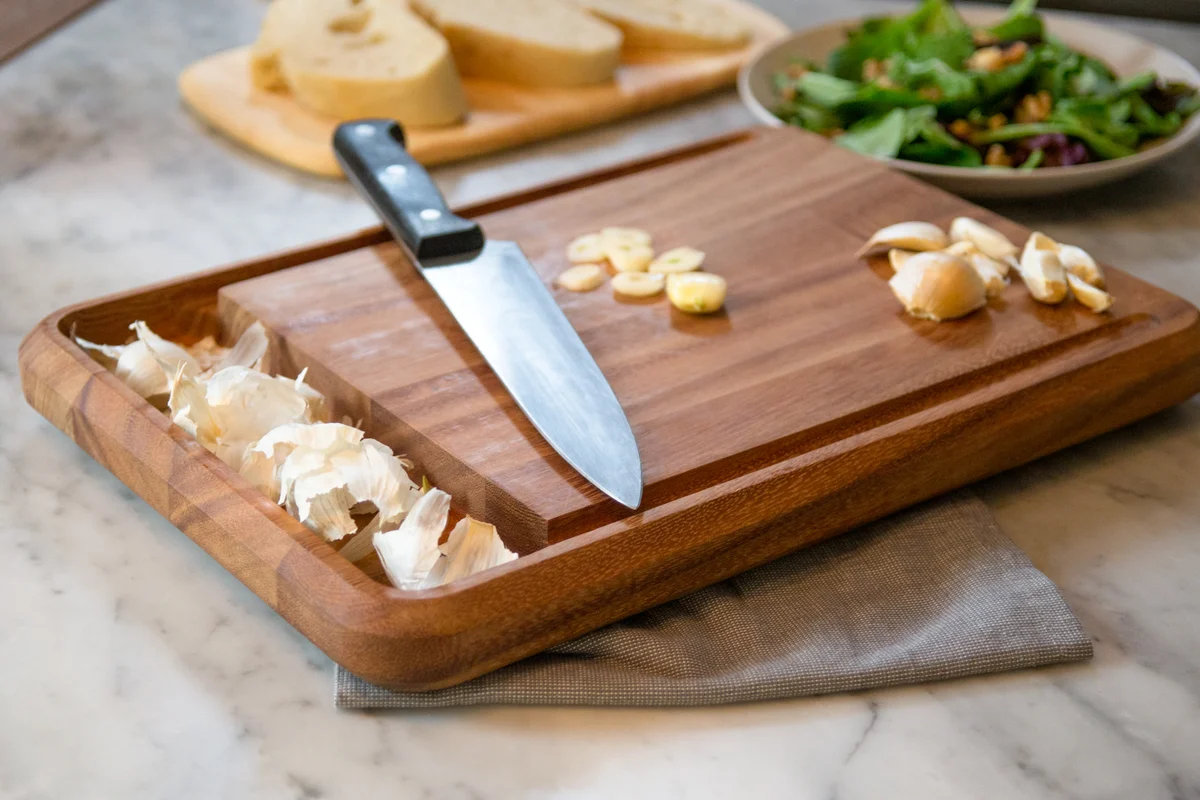
A kitchen board is an important part of many kitchen projects, whether you’re building cabinets, installing worktops, creating shelves, or looking for a practical chopping surface. The term can refer to several different types of boards, so choosing the right one depends on how you plan to use it.
Kitchen boards are available in materials such as wood, MDF, plywood, laminate, and other engineered materials. Each option has different strengths when it comes to durability, moisture resistance, appearance, maintenance, and cost.
In this guide, we’ll explain what a kitchen board is, the most common types, where they are used, how to choose the right option, and how to maintain them.
What Is a Kitchen Board?
A kitchen board is a flat panel or board used for different purposes in a kitchen.
Depending on the context, a kitchen board can be used for:
- Kitchen cabinets
- Cabinet doors
- Shelves
- Worktops
- Wall panels
- Splashback areas
- Breakfast bars
- Chopping and food preparation
Because “kitchen board” is a broad term, the best material depends on the specific job.
A board used for a cabinet may have completely different requirements from a board used as a food preparation surface.
Common Types of Kitchen Boards
There are several popular kitchen board materials to consider.
1. Plywood Kitchen Board
Plywood is made by bonding layers of wood veneer together.
It is commonly used for cabinets, shelves, and other kitchen structures because it can provide a good combination of strength and stability.
Best for: Cabinets, shelves, and kitchen furniture.
2. MDF Kitchen Board
MDF, or medium-density fibreboard, is an engineered wood product made from wood fibres compressed with resin.
Its smooth surface makes it particularly suitable for painted cabinet doors and other decorative applications.
Best for: Cabinet doors, panels, and painted kitchen furniture.
3. Chipboard
Chipboard, also called particleboard, is manufactured from compressed wood particles.
It is commonly used in kitchen furniture and cabinets, especially when covered with laminate or another decorative finish.
Best for: Budget-conscious kitchen cabinets and furniture.
4. Solid Wood Board
Solid wood provides a natural appearance and can add warmth and character to a kitchen.
Different wood species can have different colours, grain patterns, hardness, and maintenance requirements.
Best for: Traditional, rustic, farmhouse, and natural-style kitchens.
5. Laminate Board
Laminate can be applied over a suitable board to create a durable decorative surface.
It is available in many colours and patterns, including finishes designed to resemble wood or stone.
Best for: Cabinet surfaces, panels, worktops, and decorative applications.
6. Bamboo Board
Bamboo boards are another option for some kitchen applications.
They can provide a distinctive natural appearance and are often chosen for chopping boards and selected furniture applications.
Best for: Chopping boards and certain decorative kitchen projects.
Kitchen Board for Cabinets
One of the most common uses of kitchen boards is cabinet construction.
Cabinet boards need to be strong enough to support doors, shelves, hardware, and stored items.
Popular choices include:
- Plywood
- MDF
- Chipboard
- Laminated boards
The right option depends on the cabinet design, finish, budget, and expected use.
For cabinet doors, MDF can be useful when you want a smooth painted finish. Plywood can be attractive when strength and a visible wood-based appearance are priorities.
Kitchen Board for Worktops
A kitchen worktop needs to handle everyday activities such as food preparation, placing appliances, and regular cleaning.
Common worktop materials include:
- Solid wood
- Laminate
- Stone
- Engineered stone
- Compact surfaces
- Other specialist materials
A standard cabinet board should not automatically be used as a worktop simply because it looks suitable.
Worktops require materials and finishes specifically designed for that purpose.
Kitchen Chopping Board
The term kitchen board can also mean a chopping board.
Chopping boards are available in materials such as:
- Wood
- Bamboo
- Plastic
- Composite materials
A good chopping board should provide a stable food preparation surface and be easy to clean according to the manufacturer’s instructions.
Different materials have different maintenance requirements, so always follow the care guidance for your particular board.
How to Choose the Right Kitchen Board
Choosing the right board starts with identifying exactly what you need it for.
1. Consider the Purpose
Ask yourself:
Is the board for a cabinet, shelf, worktop, wall panel, or food preparation?
This is the most important question because different applications require different materials.
2. Check Moisture Resistance
Kitchens can be exposed to steam, splashes, and spills.
If a board is going to be used near a sink or another moisture-prone area, choose a material and finish appropriate for that environment.
Edges and joints should also be properly protected where necessary.
3. Think About Durability
Consider how much daily use the board will receive.
A shelf holding lightweight decorative items has different requirements from a worktop used for food preparation every day.
4. Choose the Right Finish
Kitchen boards can have finishes including:
- Natural wood
- Painted
- Matte
- Gloss
- Laminate
- Wood-effect
- Stone-effect
Choose a finish that works with the overall kitchen design.
5. Check Thickness
The correct thickness depends on the application.
Cabinet sides, shelves, doors, panels, and worktops may all require different thicknesses.
Always follow the requirements of the specific kitchen design or manufacturer.
6. Consider Your Budget
Kitchen board prices can vary significantly depending on material, thickness, finish, and quality.
Instead of choosing the cheapest board available, consider the expected lifespan and purpose.
Kitchen Board Ideas for Modern Kitchens
Kitchen boards can contribute to the overall appearance of your kitchen as well as its structure.
Natural Wood Look
Wood-effect boards can bring warmth into a modern kitchen without requiring a completely traditional design.
White Cabinet Boards
White panels can create a bright, clean appearance and work particularly well in smaller kitchens.
Dark Finishes
Dark boards can create a sophisticated look when balanced with suitable lighting and lighter surrounding surfaces.
Wood and White Combination
Combining wood-effect boards with white cabinets can create contrast while keeping the kitchen feeling bright.
Stone-Effect Panels
Stone-effect surfaces can provide a contemporary appearance without necessarily using natural stone throughout the kitchen.
Advantages of Using Quality Kitchen Boards
Using the appropriate high-quality board can provide several benefits.
Better Durability
A suitable material can withstand everyday use more effectively than an inappropriate board.
Improved Appearance
Good-quality finishes can make cabinets, shelves, and panels look more polished.
Easier Maintenance
Smooth, suitable surfaces can be easier to wipe and maintain.
Better Kitchen Longevity
Using materials appropriate for their intended application can help kitchen components remain functional for longer.
Common Mistakes When Choosing Kitchen Boards
Avoid these common mistakes when planning a kitchen project.
Choosing a Board Without Checking Its Purpose
A board designed for cabinet construction may not be suitable for a worktop or food preparation surface.
Ignoring Moisture
Kitchen areas around sinks and appliances can experience moisture. Material selection and edge protection matter.
Choosing Only Based on Appearance
A board may look attractive but still be unsuitable for the job.
Always consider strength, maintenance, moisture exposure, and durability.
Forgetting the Edges
The edges of engineered boards can be particularly important in areas exposed to moisture.
Make sure edges are properly finished and protected where required.
Buying Without Measuring
Always check the required dimensions before purchasing boards.
Accurate measurements can reduce waste and make installation easier.
How to Maintain Kitchen Boards
Maintenance depends on the type of board.
For furniture and cabinet boards:
- Wipe spills promptly.
- Use suitable cleaning products.
- Avoid excessive moisture.
- Follow the manufacturer’s care instructions.
- Pay attention to exposed edges and joints.
For chopping boards:
- Clean them according to the material’s care instructions.
- Allow them to dry properly.
- Avoid using a damaged board for food preparation.
- Replace the board when its condition makes it unsuitable for continued use.
Kitchen Board vs Plywood
Plywood is itself a type of board material, but the term “kitchen board” covers a much wider range of products.
Plywood is made from multiple layers of wood veneer, while kitchen boards can include MDF, chipboard, solid wood, laminate-covered panels, and other materials.
If you’re building cabinets, compare the properties of each material rather than assuming one material is always the best choice.
Kitchen Board vs MDF
MDF is another common material used for kitchen furniture.
It has a smooth, consistent surface that can work well for painted doors and decorative panels.
However, the suitability of MDF depends on where it will be installed and what moisture exposure it will experience.
For any kitchen project, choose a board specifically suited to its intended application.
Frequently Asked Questions
What is a kitchen board used for?
A kitchen board can be used for cabinets, doors, shelves, panels, worktops, splashbacks, furniture, or food preparation, depending on the type of board.
Which board is best for kitchen cabinets?
Plywood, MDF, and laminated chipboard are among the materials commonly used for kitchen cabinets. The best choice depends on the cabinet design, finish, durability requirements, moisture exposure, and budget.
Is MDF good for kitchen cabinets?
MDF can be a good option for certain kitchen cabinet applications, particularly painted doors and decorative panels. Its suitability depends on the specific product and installation conditions.
Is plywood good for kitchen cabinets?
Plywood can be a strong and stable option for kitchen cabinets. The quality and type of plywood should be considered before choosing it for a particular application.
Can any kitchen board be used as a worktop?
No. Worktops need materials and finishes designed to handle their intended use. A general-purpose cabinet board should not automatically be treated as a worktop.
What is the best material for a kitchen chopping board?
Wood, bamboo, plastic, and composite materials can all be used for chopping boards. The best option depends on your preferences, cleaning routine, durability needs, and manufacturer’s care instructions.
How thick should a kitchen board be?
There is no single thickness that works for every application. Cabinet doors, shelves, panels, and worktops can require different thicknesses, so always follow the specifications for the intended use.
Final Thoughts
A kitchen board can mean many different things, from a cabinet panel to a chopping board or worktop material. That’s why identifying the intended use should always be the first step when choosing one.
For cabinets and furniture, materials such as MDF, plywood, chipboard, and solid wood can all have a place. For food preparation and worktops, choose a surface specifically designed for those purposes.
Before buying, consider purpose, material, thickness, moisture exposure, durability, finish, maintenance, and budget. Choosing the right board for the right application can help create a kitchen that looks good and performs well for everyday use.