
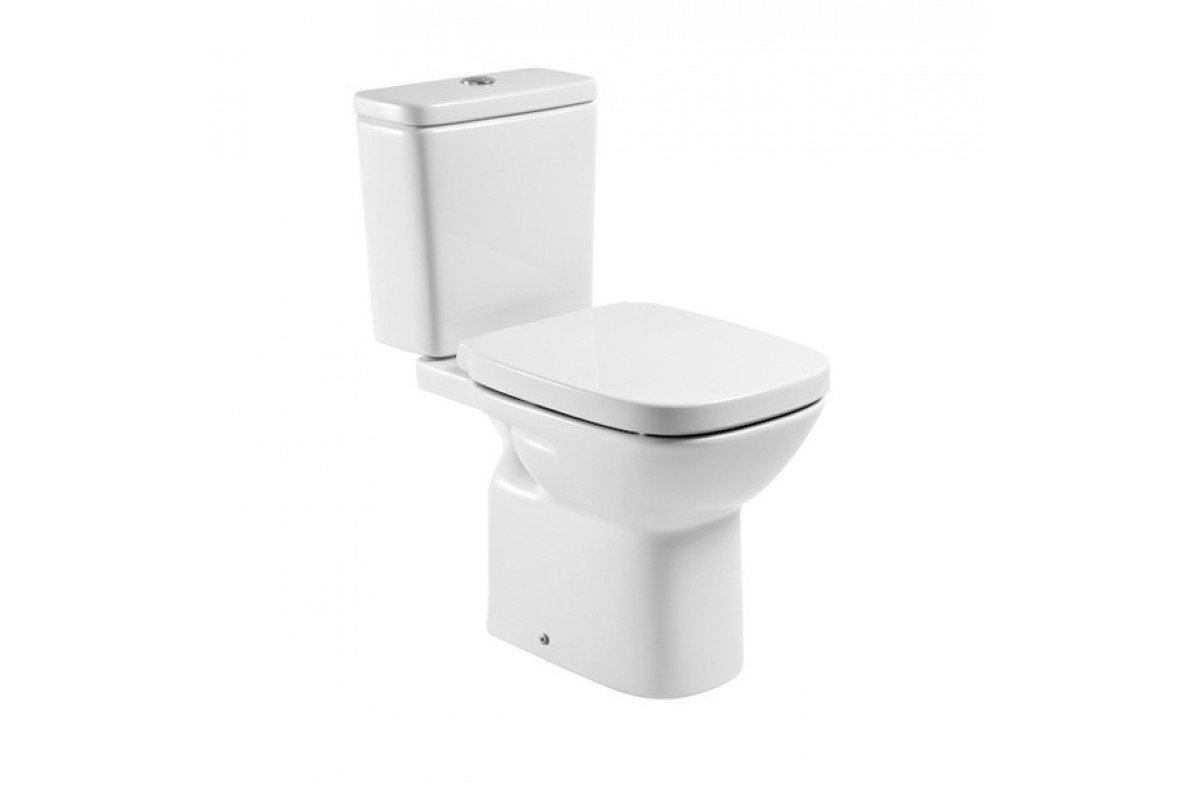
A close coupled toilet is one of the most common toilet designs found in modern bathrooms. Its cistern sits directly on the back of the toilet pan, creating a compact and practical unit that works well in many different bathroom styles.
Because the cistern and pan are connected together, close coupled toilets have a relatively simple appearance and do not require the exposed pipework associated with some traditional toilet designs.
If you are updating a bathroom or choosing a new toilet, understanding how a close coupled toilet works can help you decide whether it is suitable for your space.
What Is a Close Coupled Toilet?
A close coupled toilet is a toilet where the cistern is positioned directly on top of and attached to the toilet pan.
When the toilet is flushed, water stored in the cistern flows into the pan to remove waste. The cistern then refills with water, ready for the next flush.
The design is popular because the main components are combined into one compact fixture.
Unlike a wall-hung toilet, a close coupled toilet normally sits directly on the bathroom floor.
How Does a Close Coupled Toilet Work?
The basic operation is relatively straightforward.
The cistern stores water above the toilet pan. When the flush button or handle is activated, the flush mechanism releases water from the cistern into the pan.
The water carries waste through the toilet’s outlet and into the drainage system.
After flushing, the fill valve allows the cistern to refill until it reaches the appropriate water level.
Modern close coupled toilets can use different flushing mechanisms and water-saving designs, so the exact internal components can vary between models.
Benefits of a Close Coupled Toilet
1. Compact Design
One of the biggest advantages is the compact shape.
Because the cistern sits directly above the pan, there is no need for a separate exposed cistern mounted high on the wall.
This makes the design suitable for many modern bathrooms.
2. Easy to Find
Close coupled toilets are widely available in many styles and price ranges.
You can find traditional, contemporary, minimalist, and compact designs, making it easier to choose a model that matches your bathroom.
3. Simple Appearance
The cistern and pan form one visually connected unit.
This creates a relatively clean appearance that works well with a wide variety of bathroom interiors.
4. Suitable for Many Bathrooms
A close coupled toilet can work in family bathrooms, guest bathrooms, ensuite bathrooms, and many smaller spaces.
However, you should always check the toilet’s dimensions and the available room before purchasing.
5. Different Design Options
Close coupled toilets are available in different shapes and finishes.
Common choices include:
- Round or curved pans
- More angular contemporary designs
- Compact models
- Traditional-style toilets
- Soft-close seats
- Dual-flush systems
This variety allows homeowners to choose a toilet based on both appearance and functionality.
Types of Close Coupled Toilets
Standard Close Coupled Toilet
A standard design has the cistern positioned directly behind the toilet pan.
It is a straightforward option for bathrooms where a conventional floor-mounted toilet is preferred.
Close Coupled Back-to-Wall Toilet
A back-to-wall design places the toilet closer to the wall, helping conceal pipework and creating a cleaner appearance.
This can be useful when you want a more streamlined bathroom design.
Rimless Close Coupled Toilet
A rimless toilet is designed without the traditional internal rim around the bowl.
The flushing system is designed to distribute water around the bowl in a different way.
Rimless designs can be appealing to people who want a contemporary toilet that is easier to clean, although performance varies by model.
Compact Close Coupled Toilet
Compact models are designed with smaller dimensions.
They can be useful in smaller bathrooms, cloakrooms, or ensuite spaces where every inch matters.
Always check the complete dimensions rather than assuming a toilet will fit based only on its appearance.
Close Coupled Toilet vs Wall-Hung Toilet
Both designs can create a modern bathroom, but they use space differently.
A close coupled toilet sits on the floor and has a visible cistern.
A wall-hung toilet is suspended from the wall, with its cistern and supporting frame typically concealed behind a wall or suitable enclosure.
Wall-hung toilets can create an open floor area underneath the pan, while close coupled toilets generally offer a simpler installation arrangement.
The right choice depends on your bathroom layout, plumbing arrangement, installation requirements, and preferred appearance.
Close Coupled Toilet vs Back-to-Wall Toilet
These two designs can look similar, but there is an important distinction.
A conventional close coupled toilet has a visible cistern sitting directly above the pan.
A back-to-wall toilet is designed so that the pan sits against the wall or a furniture unit, with the cistern potentially concealed depending on the configuration.
If you prefer visible traditional-style toilet components, a standard close coupled design may be appropriate.
If you want a more streamlined appearance, a back-to-wall configuration may be worth considering.
What to Consider Before Buying a Close Coupled Toilet
Measure Your Bathroom
Before purchasing, measure the available space carefully.
Check:
- Toilet width
- Overall projection from the wall
- Toilet height
- Distance to surrounding fixtures
- Door clearance
- Drainage position
Always compare your measurements with the manufacturer’s technical specifications.
Check the Outlet Configuration
Toilets can be designed for different drainage arrangements.
The existing plumbing configuration in your bathroom can therefore affect which toilet models are suitable.
If you are replacing an existing toilet, check the current outlet and connection arrangement before purchasing a replacement.
Consider the Flush System
Different toilets use different flushing systems.
Dual-flush toilets can offer a choice between smaller and larger flush volumes, depending on the model.
Look at the manufacturer’s specifications and water-use information when comparing toilets.
Choose a Comfortable Height
Toilet height can affect comfort and accessibility.
Standard and raised-height designs are available, so consider who will use the bathroom and what height feels appropriate.
Think About Cleaning
A toilet with a straightforward shape and fewer difficult-to-reach areas can make routine cleaning easier.
Rimless and back-to-wall designs may provide different cleaning advantages depending on their construction.
Check Replacement Parts
Before buying, consider whether replacement components are readily available.
Flush valves, fill valves, buttons, and toilet seats may eventually need maintenance or replacement.
Choosing a reputable manufacturer and keeping product information can make future repairs easier.
How to Clean a Close Coupled Toilet
Regular cleaning helps maintain hygiene and appearance.
Clean the toilet bowl, seat, lid, exterior surfaces, and areas around the base according to the manufacturer’s recommendations.
Pay attention to the connection between the cistern and pan because dust and residue can accumulate in small gaps.
Use cleaning products that are suitable for the toilet’s materials and avoid mixing different cleaning chemicals.
For persistent plumbing problems, leaks, or faults with internal components, a qualified plumber can help identify the cause.
Common Close Coupled Toilet Problems
Running Water
If water continues to run after flushing, the issue may involve the fill valve, flush valve, seal, or another internal component.
The exact cause depends on the toilet mechanism.
Weak Flush
A weak flush can have several possible causes, including the flushing mechanism, water level, blockage, or drainage issue.
Check the manufacturer’s guidance before attempting repairs.
Leaking Cistern
Water around the connection between the cistern and pan can indicate a problem with a seal, connection, or component.
If tightening or basic maintenance does not solve the issue, professional assistance may be appropriate.
Condensation on the Cistern
Cold water inside the cistern can sometimes cause condensation when the surrounding bathroom air is warm and humid.
Improving ventilation and controlling bathroom humidity may help reduce condensation.
How to Make a Close Coupled Toilet Look More Modern
The toilet itself is only one part of the bathroom design.
Pair a close coupled toilet with a contemporary vanity, simple wall tiles, coordinated hardware, and good lighting for a modern appearance.
White remains a popular choice because it works with many bathroom styles.
You can also create a more contemporary look by choosing a toilet with clean lines, a slim seat, concealed pipework where appropriate, and a streamlined flush button.
Is a Close Coupled Toilet Good for a Small Bathroom?
A close coupled toilet can be suitable for a small bathroom, but the exact dimensions are important.
Compact models can reduce the amount of floor space required.
Before purchasing, measure the distance between the toilet and other fixtures and make sure the bathroom door can open comfortably.
A few centimeters can make a meaningful difference in a small space, so always use the manufacturer’s measurements rather than estimating from photographs.
Frequently Asked Questions
What is a close coupled toilet?
A close coupled toilet is a floor-mounted toilet with the cistern attached directly to the toilet pan.
Are close coupled toilets easy to clean?
They can be relatively straightforward to clean, although the exact ease of cleaning depends on the toilet’s shape and design.
Are close coupled toilets suitable for small bathrooms?
Yes. Compact close coupled models can work well in smaller bathrooms, provided the dimensions and clearances are suitable.
What is the difference between a close coupled and wall-hung toilet?
A close coupled toilet sits on the floor with a visible cistern, while a wall-hung toilet is suspended from the wall and generally has its cistern concealed.
Do close coupled toilets save water?
Some models are designed with water-efficient or dual-flush systems. Check the manufacturer’s stated flush volumes before choosing a model.
How long does a close coupled toilet last?
A toilet can remain usable for many years, but individual components such as seals, valves, buttons, and seats may need maintenance or replacement over time.
Can I replace an old toilet with a close coupled toilet?
Potentially, but compatibility depends on the existing plumbing, drainage arrangement, available space, and the dimensions of the new toilet. Check the specifications before purchasing and consult a qualified plumber when necessary.
Final Thoughts
A close coupled toilet is a practical choice for many modern bathrooms because it combines the cistern and pan into a compact, familiar design.
There are numerous options available, from standard and compact models to rimless and back-to-wall designs. When choosing one, look beyond appearance and consider dimensions, plumbing compatibility, flush performance, cleaning, comfort, and replacement parts.
With the right size and design, a close coupled toilet can provide reliable everyday functionality while fitting naturally into both traditional and contemporary bathroom interiors.