
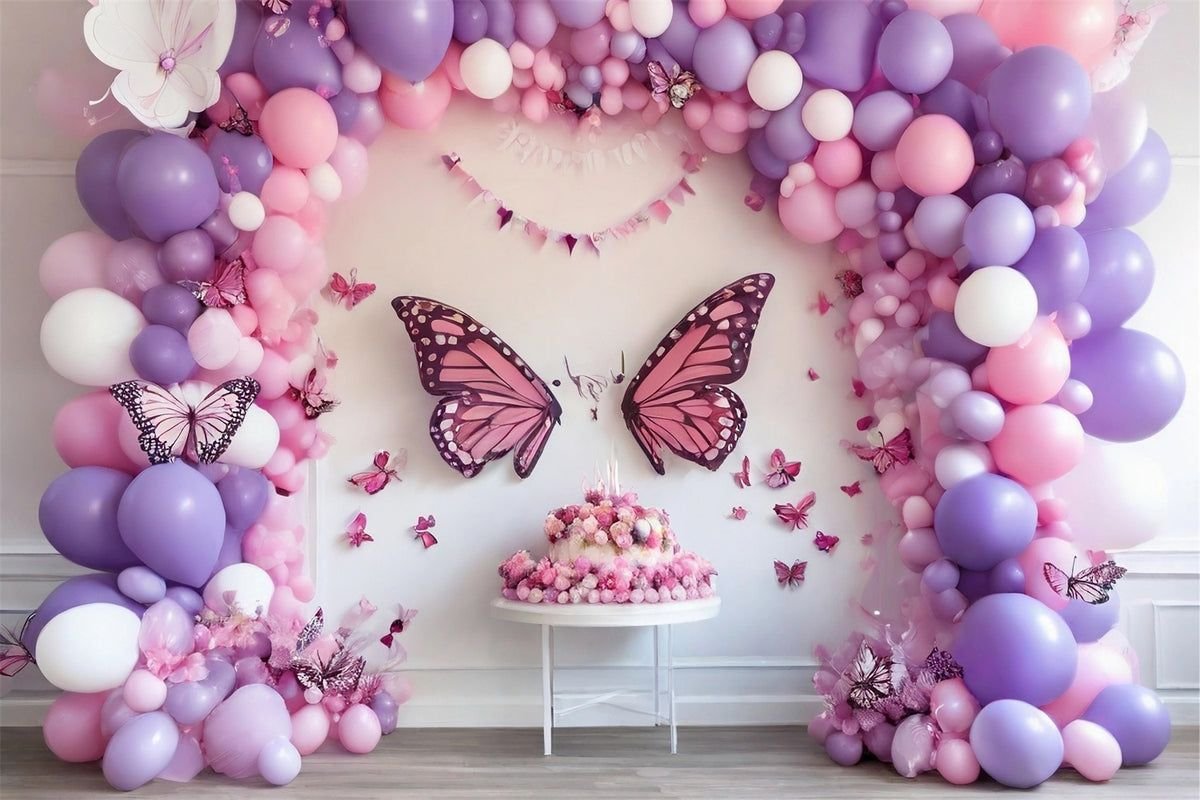
A DIY backdrop for birthday is one of the easiest ways to create a special party area without spending a lot on professional decoration. A well-planned backdrop can turn a plain wall into a photo area, cake-table background, or colorful focal point.
The best part is that you do not need a complicated setup. With simple materials such as paper, fabric, balloons, flowers, ribbons, or decorative lights, you can create a backdrop that matches the birthday theme and available space.
1. Paper Fan Birthday Backdrop
Paper fans are simple, lightweight, and easy to arrange.
Use several fans in different sizes and place the largest pieces toward the center of the wall. Add smaller fans around them to create a balanced composition.
You can use two or three colors that match the party theme instead of using too many colors.
Best for: children’s birthdays, colorful parties, and small indoor spaces.
2. Balloon Garland Backdrop
A balloon garland can create a dramatic background behind a cake table or photo area.
Instead of covering the entire wall, concentrate the balloons around one corner or along the top edge. This leaves some open wall space and usually creates a cleaner look.
For a more coordinated design, use balloons in different sizes within the same color palette.
3. Fabric Backdrop
Fabric is one of the most flexible options for a DIY birthday backdrop.
A large piece of plain fabric can cover an unattractive wall and provide a simple background for other decorations. You can also layer two fabrics with slightly different textures.
Try colors such as white, cream, pastel pink, blue, green, or another shade that matches the birthday theme.
4. DIY Ribbon Backdrop
For a lightweight and inexpensive design, hang ribbons vertically from a horizontal support.
Mix different ribbon widths or textures while keeping the colors coordinated. The ribbons can be cut to the same length for a neat appearance or varied slightly for a more relaxed look.
This idea works especially well behind a dessert or cake table.
5. Floral Birthday Backdrop
Artificial flowers can be arranged into a beautiful birthday background without covering the entire wall.
Create a concentrated floral arrangement on one side and gradually reduce the number of flowers toward the other side. This gives the backdrop a natural visual flow.
For a simpler design, combine flowers with greenery rather than using many different flower types.
6. Paper Flower Wall
Large handmade paper flowers can become the main feature of a birthday backdrop.
Make flowers in different sizes and arrange them in a cluster. Larger flowers can sit toward the center while smaller flowers fill the empty spaces.
Paper flowers are particularly useful when you want a decorative backdrop that can be made before the party.
7. Birthday Photo Backdrop
Instead of designing the entire wall around decorations, create a dedicated photo area.
Start with a plain fabric or paper background. Add a few large decorative elements around the edges while keeping the center relatively clear.
This creates space for people to stand or sit without hiding the main decorations.
8. Simple Fringe Backdrop
A fringe backdrop can give a plain wall more texture without requiring complicated decoration.
Hang strips of tissue paper, metallic fringe, or suitable decorative material vertically across part of the wall.
Keep the fringe concentrated behind the main party area rather than covering every wall in the room.
9. Birthday Banner Backdrop
A simple banner can work as the main feature of a minimalist birthday backdrop.
Place the birthday message in the center and surround it with a small number of complementary decorations.
For example, you could combine:
- A birthday banner
- Paper fans
- A few balloons
- Artificial greenery
- A small cake table
This creates a finished look without overcrowding the wall.
10. Fairy-Light Birthday Backdrop
Small decorative lights can add warmth to a simple backdrop.
Hang the lights vertically or arrange them behind a semi-transparent fabric. Keep the rest of the decoration relatively simple so the lighting remains visible.
This idea is particularly suitable for evening birthday celebrations.
11. Balloon-and-Flower Backdrop
Combining balloons with flowers creates more visual variety than using either decoration alone.
One practical arrangement is to place balloons around the upper corner of the backdrop and add flowers between selected sections.
The key is to repeat a limited number of colors so the two materials look like part of the same design.
12. DIY Birthday Backdrop With a Cake Table
If the cake table is the main focal point, the backdrop should support it rather than compete with it.
Place the cake table directly in front of the backdrop and keep the strongest decorative elements behind or slightly above the cake.
A simple formula is:
Backdrop + birthday message + cake table + small side decorations
This can be enough to create a complete party setup.
13. Minimalist Birthday Backdrop
A birthday backdrop does not have to be full of decorations.
For a modern look, use a plain background with one large decorative feature, such as:
- An oversized birthday number
- A simple banner
- A flower arrangement
- A balloon cluster
- A large paper decoration
Leave some empty wall space around the main feature. The negative space helps the decoration stand out.
14. DIY Backdrop for a Small Room
Small rooms require a different approach.
Instead of decorating an entire wall, choose one compact section. A narrow backdrop behind the cake table or photo area can be enough.
Use vertical decorations to make better use of wall height while keeping the floor area open.
Avoid large freestanding structures if they make the room difficult to move around.
15. Color-Coordinated Birthday Backdrop
One of the easiest ways to make a DIY backdrop look intentional is to choose the color palette first.
A simple three-color approach works well:
Main color + supporting color + neutral
For example:
- Pink + white + gold
- Blue + white + silver
- Green + cream + beige
- Purple + white + silver
Repeat these colors in the backdrop, table decoration, and other nearby details.
How to Choose the Right DIY Birthday Backdrop
Before making your backdrop, consider four things.
1. Available Space
Measure the wall or area where the backdrop will go. A design that looks good on a large wall may overwhelm a small room.
2. Party Theme
The backdrop should complement the birthday theme rather than introduce an unrelated style.
3. Main Focal Point
Decide what should attract attention first. It could be the cake, birthday message, number, photo area, or decorative arrangement.
4. Setup Time
Choose a design that matches the time you have available. A simple paper or fabric backdrop may be more practical than a large handmade installation if the party is approaching quickly.
How to Make a DIY Birthday Backdrop Look Professional
You do not need expensive decorations to make a backdrop look polished.
Use these simple principles:
- Keep the colors coordinated.
- Create one clear focal point.
- Mix different sizes rather than using everything at the same scale.
- Leave some empty space.
- Repeat important colors in nearby decorations.
- Keep the backdrop proportional to the room.
- Hide visible supports where possible.
- Check the backdrop from the camera angle before the party begins.
A useful styling formula is:
Large element → medium decorations → small finishing details
For example, a large birthday number can become the main feature, with medium paper fans around it and smaller flowers or ribbons filling selected gaps.
Common DIY Birthday Backdrop Mistakes
Using Too Many Colors
Too many unrelated colors can make the backdrop look visually busy. A small, coordinated palette is usually easier to manage.
Covering the Entire Wall
More decoration does not always create a better result. Leaving some wall space can make the main elements easier to see.
Ignoring the Camera Angle
A backdrop may look good from the front but appear unbalanced in photographs. Take a test photo before finalizing the arrangement.
Making the Backdrop Too Large
The backdrop should fit the room and party area. Oversized decorations can reduce usable space and make a small room feel crowded.
Forgetting the Cake or Photo Area
The backdrop should work with the main activity taking place in front of it. Make sure decorations do not block the cake, seating, or photo area.
Final Thoughts
A DIY backdrop for birthday can be as simple or creative as you want. Paper fans, balloons, fabric, flowers, ribbons, banners, and decorative lights can all be combined in different ways to create a personalized party background.
The most important part is not using the most decorations. Choose a clear focal point, keep the colors coordinated, and design the backdrop around the size and purpose of the space.
FAQs
What is the easiest DIY backdrop for a birthday?
A paper-fan, fabric, or simple banner backdrop is easy to create and can be adapted to different birthday themes.
How can I make a birthday backdrop at home?
Choose a suitable wall, select two or three coordinating colors, decide on a focal point, and combine simple materials such as paper decorations, fabric, balloons, ribbons, or flowers.
How do I decorate a small wall for a birthday?
Use a compact arrangement around the cake table or photo area rather than covering the entire wall. Vertical decorations can also make better use of limited wall space.
Can a birthday backdrop be made without balloons?
Yes. Paper flowers, paper fans, fabric, ribbons, banners, artificial flowers, and decorative lights can all be used to create a birthday backdrop without balloons.