
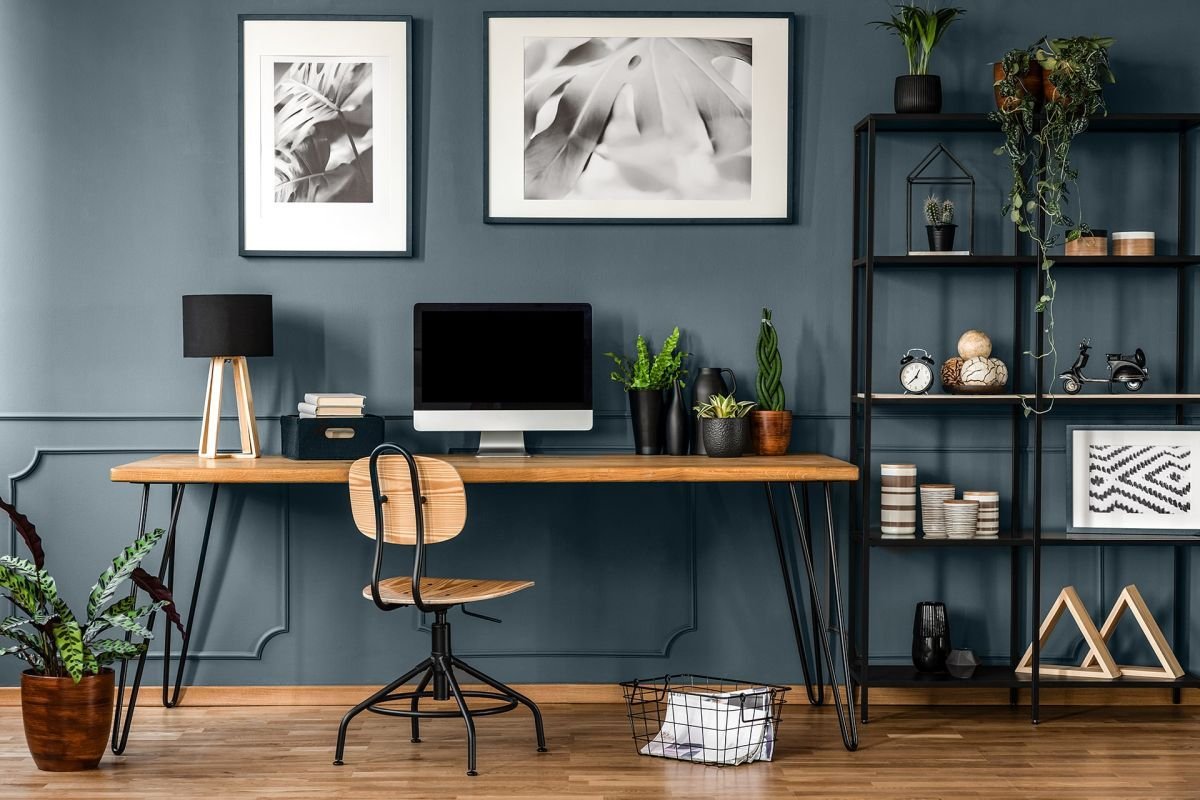
Knowing how to organize office furniture can make a workspace more comfortable, functional, and easier to use. The right furniture arrangement can improve movement around the room, create better storage, reduce visual clutter, and help you make better use of the available space.
Whether you are organizing a home office, a small office, or a larger professional workspace, the goal is not simply to put furniture wherever it fits. A good office layout should support the way you work while keeping the room practical and comfortable.
In this guide, you will learn practical ways to arrange desks, chairs, storage furniture, shelves, cabinets, and other office essentials.
Why Is Office Furniture Organization Important?
Office furniture affects how you move, work, store supplies, and use the available space.
A poorly arranged office can feel crowded even when the room is reasonably large. Furniture may block walkways, storage may be difficult to reach, and the desk may not have enough usable space.
A thoughtful arrangement can help you:
- Make better use of floor space
- Keep important items within easy reach
- Create clear walking paths
- Reduce unnecessary clutter
- Improve the overall appearance
- Make a small office feel more functional
- Separate different work areas
- Create a more comfortable workspace
17 Ideas for How to Organize Office Furniture
1. Start With the Room Measurements
Before moving furniture, measure the room.
Record the approximate dimensions of the floor, doors, windows, built-in storage, and other fixed features. This gives you a clearer idea of what can realistically fit.
Also measure large furniture such as:
- Desk
- Office chair
- Filing cabinet
- Bookcase
- Storage cabinet
- Shelving unit
- Side table
Planning the layout before moving heavy furniture can save considerable time.
2. Put the Desk in the Best Position
The desk is usually the main piece of office furniture, so start with it.
Place the desk somewhere that gives you enough working space while maintaining a comfortable path around it.
Depending on the room, you could place the desk:
- Against a wall
- Near a window
- Facing into the room
- In a corner
- In the center of a larger office
Avoid automatically placing the desk in the first empty space. Think about lighting, movement, privacy, and access to other furniture.
3. Create a Clear Walking Path
One of the most important parts of office organization is keeping walkways clear.
People should be able to move between the entrance, desk, storage, and other important areas without constantly walking around furniture.
Try to avoid placing cabinets or tables where they create unnecessary obstacles.
A simple layout with fewer obstructions can make an office feel much more spacious.
4. Keep Frequently Used Storage Close
Office supplies that you use every day should be easy to reach.
For example, frequently used documents, notebooks, stationery, or equipment can be stored close to the main desk.
Less frequently used items can go into cabinets or storage areas farther away.
This creates a practical system where your workspace is organized according to how often you use each item.
5. Use Vertical Space
When floor space is limited, look upward.
Tall bookcases, wall shelves, and vertical storage cabinets can provide additional storage without using a large amount of floor area.
Vertical furniture can be especially useful in small home offices.
However, keep frequently accessed items at comfortable heights and avoid overcrowding shelves.
6. Position the Office Chair Correctly
The office chair needs enough space to move comfortably.
Make sure the chair can be pulled away from the desk without hitting a wall, cabinet, or another piece of furniture.
Also consider how easily you can reach:
- Drawers
- Shelves
- Filing cabinets
- Computer equipment
- Desk accessories
The chair is part of the overall furniture layout, not something that should be considered separately.
7. Keep Your Main Work Area Uncluttered
Your desk should have enough open space for your primary tasks.
Instead of placing every office accessory on the desk, move less frequently used items into drawers, shelves, or storage containers.
A cleaner desk can also make the entire room look more organized.
8. Create Separate Work Zones
A larger office can benefit from different furniture zones.
For example, you could have:
Work zone:
Desk, chair, computer, and essential equipment.
Storage zone:
Filing cabinet, shelves, and storage cupboards.
Reading or meeting zone:
Small table, additional chairs, or comfortable seating.
Separating functions can make a large room easier to use.
9. Use Corner Space Efficiently
Corners are often underused.
A corner desk, compact shelving unit, or small storage cabinet can turn an awkward area into useful workspace.
For small offices, corner furniture can be particularly valuable because it makes use of space that might otherwise remain empty.
10. Place Shelves Where They Are Useful
Shelves should be positioned according to what you store on them.
Keep books, files, and frequently used office supplies in accessible locations.
Decorative items can be placed on higher shelves, while heavier or frequently accessed items should be positioned where they can be reached safely and comfortably.
11. Organize Furniture Around Natural Light
Natural light can make an office feel more pleasant.
If possible, arrange the desk so you can benefit from daylight without creating distracting glare on your computer screen.
Window placement also matters when deciding where to put shelves and tall cabinets.
Avoid unnecessarily blocking a useful source of natural light with large furniture.
12. Keep Storage Furniture Together
Grouping storage furniture can create a dedicated organization zone.
For example, you might place a filing cabinet beside a storage cabinet and shelves along the same wall.
This can make documents and supplies easier to find while leaving the main working area less cluttered.
13. Leave Space Around Doors and Windows
Doors and windows should remain easy to use.
Avoid placing furniture directly where a door needs to open or where it blocks access to a window.
Before finalizing the layout, open doors fully and check that windows, curtains, blinds, and other features can still be used comfortably.
14. Use Multi-Functional Furniture
Multi-functional furniture can be useful when office space is limited.
Examples include:
- Desk with built-in drawers
- Storage bench
- Shelving with a workspace
- Compact filing cabinet
- Foldable desk
- Desk with integrated shelving
The right multi-purpose piece can reduce the number of separate furniture items needed in the room.
15. Keep Technology Close to the Desk
Computers, printers, monitors, chargers, and other equipment should be positioned according to how often you use them.
A printer used several times a day should be reasonably accessible. Equipment used occasionally can be placed farther away.
Also consider where cables will run before finalizing your furniture arrangement.
A well-planned furniture layout can make cable management much easier.
16. Balance the Room Visually
Furniture organization is not only about functionality.
Try to distribute large furniture pieces so that one side of the room does not feel excessively heavy.
For example, if one wall contains a large cabinet, the opposite side could have a desk, smaller shelf, or another visually lighter element.
You do not need perfect symmetry. The goal is simply to create a balanced appearance.
17. Test the Layout Before Finalizing It
Once you have placed the main furniture, spend some time using the office.
Sit at the desk, move the chair, access storage, walk around the room, and check the lighting.
Ask yourself:
- Can I move around easily?
- Can I reach important supplies?
- Is the desk comfortable to use?
- Are doors and windows accessible?
- Does the room feel crowded?
- Is there unnecessary furniture?
If something feels awkward, change it before treating the layout as finished.
How to Organize Furniture in a Small Office
Small offices require more careful planning because every piece of furniture uses valuable floor space.
Start with the essential items and avoid adding furniture simply because there is an empty corner.
Consider:
- A compact desk
- Vertical shelving
- Wall-mounted storage
- Furniture with drawers
- Multi-purpose pieces
- A comfortable but appropriately sized chair
Keep the center of the room as open as practical. An uncluttered floor can make a small office feel easier to move around.
How to Organize a Home Office
A home office often needs to serve both practical and decorative purposes.
Start by deciding where your main work zone should be. Then arrange storage and accessories around it.
If the room is also used for another purpose, consider furniture that can serve multiple functions.
For example, a desk with drawers can provide both workspace and storage without requiring another cabinet.
You can also coordinate the furniture with your existing home decor so the office feels like part of the home rather than a separate space.
How to Organize Office Furniture for Better Productivity
Furniture organization cannot guarantee higher productivity, but a practical layout can make everyday tasks easier.
Try keeping your most important work items close to the desk and placing less frequently used items farther away.
You can also create a simple workflow:
Desk → frequently used supplies → storage → less frequently used items
This reduces unnecessary movement and makes it easier to maintain an organized workspace.
Common Office Furniture Organization Mistakes
Using Too Much Furniture
More furniture does not automatically mean more functionality.
Choose pieces that serve a clear purpose.
Blocking Natural Light
Large cabinets can make a room feel darker when placed in front of windows.
Think about light before deciding where tall furniture belongs.
Ignoring Movement
A layout may look attractive but still be inconvenient if people cannot move comfortably around it.
Always test the walking paths.
Putting Everything on the Desk
The desk should be a workspace, not a storage area for every office item.
Use drawers, shelves, and cabinets to reduce surface clutter.
Choosing Furniture Without Measuring
Always measure both the room and the furniture before buying or rearranging major pieces.
A Simple Office Furniture Organization Checklist
Before you finish your office layout, check:
- The desk has enough working space
- The chair can move comfortably
- Walking paths are clear
- Doors can open fully
- Windows remain accessible
- Frequently used supplies are easy to reach
- Storage is organized
- Large furniture is balanced around the room
- Cables are manageable
- The room does not feel overcrowded
- Every major furniture piece has a purpose
FAQs About How to Organize Office Furniture
What is the best way to organize office furniture?
Start with the desk, then create clear walking paths and arrange storage around your main work area. Keep frequently used items within easy reach and use vertical storage when floor space is limited.
Where should a desk be placed in an office?
A desk can work against a wall, near a window, in a corner, or facing into the room. The best position depends on the room layout, lighting, privacy, and how you use the workspace.
How do you organize furniture in a small office?
Use compact and multi-functional furniture, take advantage of vertical storage, keep walkways clear, and avoid unnecessary furniture. A simple layout usually works better than a crowded one.
Should office furniture match?
It does not have to match perfectly. However, coordinating colors, materials, or finishes can make the room feel more cohesive.
How can I make my office look less cluttered?
Reduce unnecessary furniture, organize supplies into storage, keep the desk surface clear, use vertical storage, and create dedicated places for frequently used items.
How far should office furniture be from walls?
There is no single distance that works for every office. Leave enough space for doors, drawers, chairs, walking paths, and normal movement. Always consider the specific dimensions of the furniture and room.
Final Thoughts
Learning how to organize office furniture starts with understanding how you use the space. Instead of filling the room with furniture, begin with the essential pieces and build the layout around your daily activities.
Place the desk thoughtfully, keep walking paths clear, use vertical storage, organize furniture into useful zones, and make sure frequently used items are easy to reach.
Whether you are arranging a small home office or a larger professional workspace, a simple and functional furniture layout can make the room easier to use and more visually organized.