
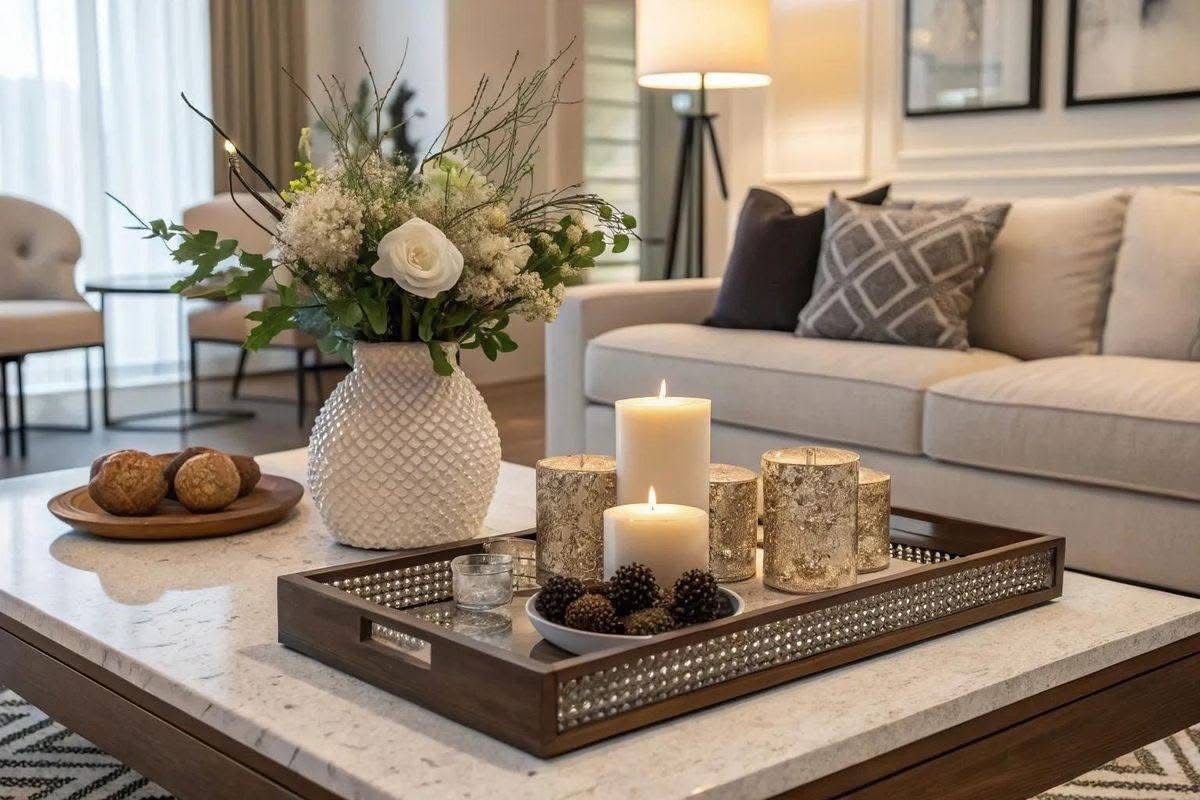
Sometimes your home doesn’t need a complete makeover. It just needs a few thoughtful changes.
Furniture can start to feel boring. The same wall colors may look dated. Accessories that once felt special can begin to blend into the background. When that happens, you don’t necessarily need to spend thousands of dollars on new furniture.
You can renew your home and decor by changing how you use what you already have and adding a few carefully chosen updates.
A new furniture arrangement, fresh textiles, better lighting, updated wall decor, or a little greenery can make a room feel completely different. Even small changes can have a noticeable effect when they are planned around the way you actually use the space.
Here are 15 practical ways to refresh your home without making the process complicated or expensive.
1. Start by Rearranging Your Furniture
Before buying anything, look at the furniture you already own.
Move your sofa, chairs, coffee table, or bed into a different arrangement. Sometimes the biggest change comes from simply seeing the same pieces from a new perspective.
For a living room, try pulling furniture slightly away from the walls. Create a conversation area instead of pushing every piece toward the perimeter.
In a bedroom, changing the position of the bed can completely alter the room’s appearance.
Why it works
Furniture placement affects how spacious, comfortable, and functional a room feels. A better layout can also make walking paths easier and help the room feel less crowded.
Tip: Take a photo of the room before moving anything. After rearranging it, take another photo. Comparing the two can make it easier to see which layout works best.
2. Refresh Your Color Palette
You don’t always need to repaint the entire house to renew your home and decor.
Instead, choose a simple color palette and introduce it through smaller pieces.
Try adding:
- Throw pillows
- Blankets
- Curtains
- Rugs
- Artwork
- Vases
- Decorative objects
If your room is mostly neutral, you can add one or two accent colors.
For example, a beige living room can feel warmer with terracotta, olive green, or muted blue accents.
Don’t add too many colors
One common decorating mistake is introducing too many unrelated colors.
Choose a main neutral and one or two supporting colors. Repeat them throughout the room so the space feels connected.
3. Update Your Throw Pillows
Throw pillows are one of the easiest ways to refresh a sofa or bed.
Instead of replacing an entire sofa, change the pillow covers.
Mix different textures rather than using the exact same fabric for every pillow.
For example, combine:
- Linen
- Cotton
- Velvet
- Woven textures
You can also vary the sizes and patterns.
A good combination might include one solid-color pillow, one subtle pattern, and one textured pillow.
This creates interest without making the sofa look cluttered.
4. Give Old Furniture a New Purpose
Before getting rid of an old piece of furniture, ask yourself whether it can be used somewhere else.
An old side table might become a nightstand.
A small dresser could work as an entryway storage piece.
A wooden chair might become a plant stand.
A cabinet that feels out of place in the living room could become useful in a home office.
This approach can save money while giving familiar furniture a completely different role.
5. Change the Lighting
Lighting can make a room feel dramatically different.
If your room currently has only one ceiling light, add layers.
Consider:
- Table lamps
- Floor lamps
- Wall lights
- Reading lamps
- Accent lighting
Use different light sources for different purposes.
A floor lamp beside a sofa can create a comfortable reading corner. A table lamp on a console can make an entryway feel warmer.
Don’t forget the bulbs
The light bulb itself can affect how the room looks.
For relaxing spaces such as bedrooms and living rooms, warmer light often creates a more comfortable atmosphere.
6. Refresh Your Walls
Empty walls can make a room feel unfinished, but covering every wall with decorations can make it feel busy.
Instead, choose one or two areas that need attention.
You could create:
A simple gallery wall
Mix artwork, photographs, and small prints.
A large statement piece
One oversized artwork can sometimes work better than several tiny pieces.
A mirror
A decorative mirror can add visual interest while reflecting light around the room.
A simple shelf
Floating shelves give you space for books, plants, artwork, and decorative objects.
The goal is not to fill every empty space. The goal is to create balance.
7. Add More Natural Elements
Plants can instantly add life to a room.
You don’t need to turn your home into a jungle.
A few carefully placed plants can be enough.
Try:
- A larger plant beside a sofa
- Small plants on shelves
- A plant near a bright window
- Hanging greenery
- Small tabletop plants
If you’re not good at keeping plants alive, choose varieties that match the amount of light and care you can realistically provide.
You can also use natural materials such as:
- Wood
- Rattan
- Woven baskets
- Stone
- Cotton
- Linen
These materials can make a space feel warmer and more relaxed.
8. Change Your Curtains
Curtains can have a bigger effect than many people realize.
Heavy or dark curtains can sometimes make a small room feel closed in.
Lighter curtains can make the room feel brighter and more open.
For a more polished appearance, hang curtains high and allow the fabric to extend close to the floor.
Choose a curtain color that connects with your existing palette instead of introducing a completely unrelated shade.
9. Replace Small Hardware
You don’t always need new cabinets or furniture.
Sometimes changing the hardware is enough.
Try replacing:
- Cabinet knobs
- Drawer pulls
- Dresser handles
- Bathroom hardware
For example, simple modern hardware can give an older dresser a cleaner appearance.
This is especially useful when the furniture itself is still in good condition.
Before buying
Measure the existing holes and check the spacing between them. The new hardware needs to fit properly.
10. Create a More Organized Entryway
Your entryway is one of the first parts of your home people see.
A cluttered entrance can make the entire home feel less organized.
Create a simple landing area for everyday items.
You might use:
- A small console
- Wall hooks
- A basket
- A mirror
- A tray for keys
- A small bench
Keep the surface relatively clear.
A simple entryway often looks more stylish than one overloaded with decorative objects.
11. Refresh Your Bedroom Textiles
If your bedroom feels boring, don’t immediately replace the bed or furniture.
Start with textiles.
Change the:
- Bedding
- Pillow covers
- Throw blanket
- Curtains
- Area rug
You can also introduce one contrasting texture.
For example, a simple cotton bedding set can feel more finished with a chunky woven blanket at the foot of the bed.
Keep the color palette coordinated so the room remains calm rather than visually noisy.
12. Declutter Before Decorating More
This is one of the most important steps.
If your room already has too many decorative items, adding more won’t necessarily improve it.
Take everything off one shelf, table, or console.
Then put back only the pieces you actually like.
Ask:
Does this item have a purpose?
Do I actually like it?
Does it work with the rest of the room?
If the answer is no to all three, consider removing it.
Sometimes the best way to renew home decor is to take things away rather than add more.
13. Create One Focal Point
Every room benefits from having something that naturally catches attention.
In a living room, it could be:
- A fireplace
- Large artwork
- A beautiful sofa
- A statement light
- A large window
In a bedroom, the bed wall can become the focal point.
Once you’ve chosen the focal point, avoid making every other item compete with it.
A common mistake
Putting multiple large decorative pieces in the same small room can make the space feel chaotic.
Choose one main feature and let the surrounding decor support it.
14. Mix Old and New Decor
A room doesn’t need to look like everything was purchased from the same store.
Mixing older and newer pieces can make a home feel more personal.
For example:
Modern sofa + vintage side table
Traditional dresser + contemporary artwork
New rug + older wooden furniture
This approach can also save money because you don’t have to replace everything at once.
The key is finding a connection between the pieces through color, material, shape, or scale.
15. Make One Room Your Starting Point
Trying to renew the entire house at once can become expensive and overwhelming.
Choose one room.
Start with the space you use most often.
For many people, that might be the living room.
Make a simple plan:
Step 1
Declutter.
Step 2
Rearrange furniture.
Step 3
Choose a color palette.
Step 4
Improve lighting.
Step 5
Update textiles.
Step 6
Add wall decor.
Step 7
Add plants or natural elements.
Step 8
Remove anything that feels unnecessary.
Once that room feels finished, move to the next one.
How to Renew Home & Decor on a Small Budget
You don’t need a large decorating budget.
Start with changes that cost little or nothing.
Free ideas
- Rearrange furniture
- Remove clutter
- Move artwork
- Change the purpose of furniture
- Rearrange decorative objects
Low-cost ideas
- New pillow covers
- Plants
- Baskets
- New cabinet hardware
- Small artwork
- Table lamps
- Throws
Bigger updates
Save larger purchases for pieces that genuinely need replacing.
A quality rug, sofa, dining table, or lighting fixture can be worth the investment when it solves a real problem in the room.
Common Mistakes When Refreshing Home Decor
Buying everything at once
This can lead to mismatched pieces and unnecessary spending.
Following every trend
Trends change. Choose pieces you genuinely like and can live with for years.
Ignoring scale
A tiny rug under a large sofa can look disconnected. Likewise, oversized furniture can overwhelm a small room.
Too many accessories
Decorative objects need breathing room.
Forgetting functionality
A beautiful room isn’t successful if it’s uncomfortable or difficult to use.
Your home should work for your everyday life first.
A Simple Weekend Home Decor Refresh
If you want to renew your home and decor quickly, try this weekend plan.
Saturday morning
Declutter the room.
Saturday afternoon
Rearrange the furniture.
Saturday evening
Choose the colors and textures you want to add.
Sunday morning
Refresh pillows, throws, plants, and accessories.
Sunday afternoon
Improve the lighting and wall decor.
Sunday evening
Remove anything that feels unnecessary.
You may be surprised by how different the room feels without a major renovation.
FAQs About Renewing Home Decor
How can I renew my home decor without spending much money?
Start with free changes such as rearranging furniture and removing clutter. Then make small upgrades like pillow covers, plants, lighting, artwork, or cabinet hardware.
What is the easiest way to refresh a living room?
Rearrange the furniture, update the pillows and throw blanket, improve lighting, and add one strong piece of wall art or a mirror.
Should I replace old furniture when updating my home?
Not necessarily. If the furniture is structurally sound, consider repainting it, changing its hardware, moving it to another room, or updating its surrounding decor.
How often should I change my home decor?
There is no fixed schedule. Instead of completely redecorating, make small seasonal changes through textiles, accessories, plants, and furniture arrangements.
How do I make my home look more expensive?
Focus on proportion, good lighting, a limited color palette, uncluttered surfaces, quality-looking textiles, and fewer but more intentional decorative pieces.
Final Thoughts
To renew home and decor, you don’t need to start over.
Look at what you already own first. Rearrange furniture, remove clutter, improve lighting, refresh textiles, add natural elements, and introduce a few pieces that fit your existing style.
The best home updates are often the ones that make a room feel more comfortable and useful—not simply newer.
Start with one room, make a simple plan, and change things gradually. You’ll spend less, avoid unnecessary purchases, and have much more control over the final look.