
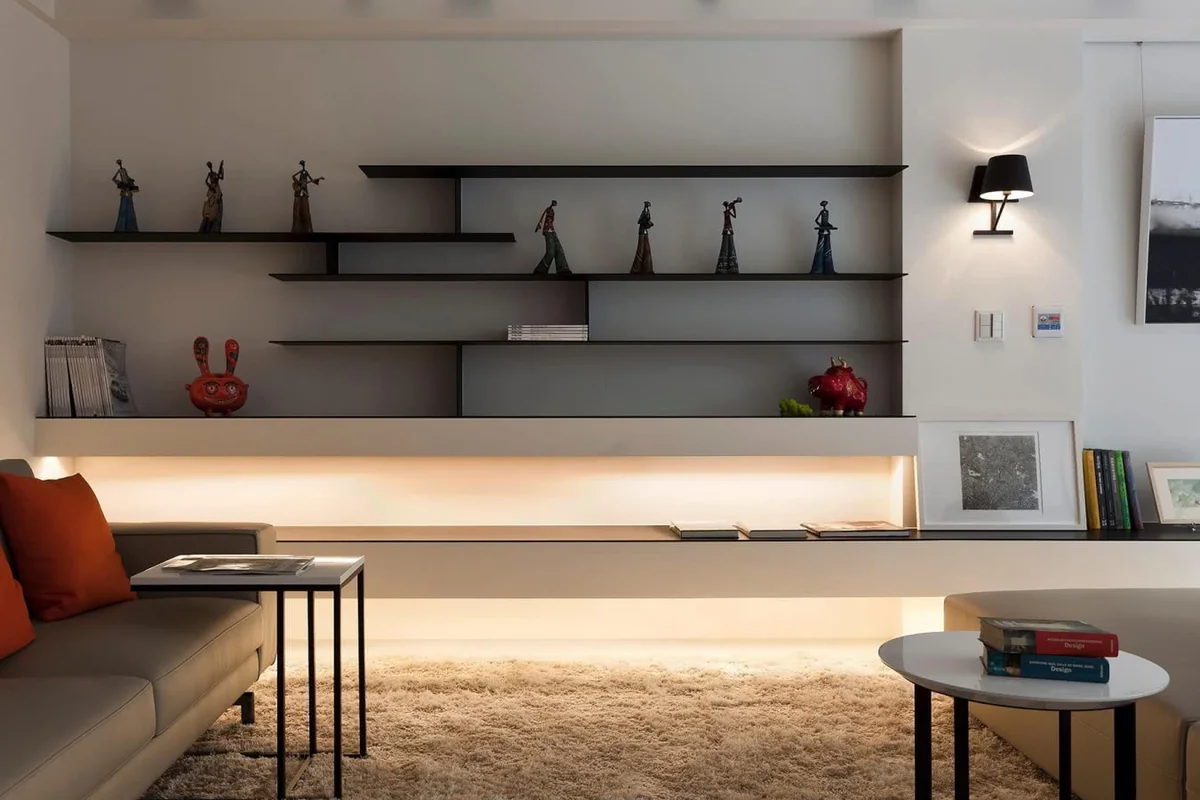
Modern artifacts can give a room personality without requiring a major renovation. A sculptural vase, abstract figure, decorative bowl, ceramic piece, or carefully chosen wall object can become a focal point and help connect the colors, textures, and furniture already in a space.
The challenge is choosing pieces that complement the room instead of making it look crowded.
The best approach is to treat modern artifacts as part of the overall interior design. Consider the room’s size, furniture, lighting, color palette, and available surfaces before deciding what to display.
What Are Modern Artifacts in Home Decor?
In home decor, modern artifacts are decorative objects chosen primarily for their visual character, shape, material, texture, or artistic quality.
They can include:
- Sculptural objects
- Abstract decorative figures
- Ceramic vases
- Decorative bowls
- Geometric objects
- Metal sculptures
- Artistic candle holders
- Decorative trays
- Textured pottery
- Small tabletop sculptures
- Contemporary wall objects
- Handcrafted decorative pieces
They do not have to be expensive or genuinely historic artifacts. In a modern interior, the term often refers to distinctive decorative objects that have an artistic or sculptural appearance.
1. Sculptural Vases for an Easy Focal Point
A sculptural vase can work even when you are not using fresh flowers.
Choose a vase with an interesting silhouette and let its shape become the main feature. A simple ceramic or stone-look vase can work particularly well on a console, coffee table, open shelf, or dining table.
For a small room, one substantial vase is often more effective than several small decorative pieces competing for attention.
Best locations:
- Entryway console
- Living room shelf
- Dining table
- Bedroom dresser
- Coffee table
2. Abstract Decorative Figures
Abstract figures can introduce an artistic element without making the room feel overly formal.
Look for simple silhouettes rather than objects with excessive detail. A figure can sit on a bookshelf, sideboard, console, or built-in display shelf.
If the surrounding furniture already has strong shapes, choose a relatively simple artifact so the room does not become visually busy.
3. Decorative Bowls With Strong Shapes
Decorative bowls are useful because they combine form with function.
A large bowl can sit on a coffee table or console and hold small everyday items. A sculptural bowl can also be left empty when its shape is attractive enough to work as a standalone object.
Consider materials such as:
- Ceramic
- Wood
- Metal
- Stone-look finishes
- Handcrafted materials
Choose the material according to the furniture around it. For example, a textured ceramic bowl can soften a room dominated by smooth surfaces.
4. Modern Metal Sculptures
Metal artifacts can introduce a harder, more architectural element into a room.
Black, brass, bronze, or other metallic finishes can work as accents on shelves, consoles, and sideboards.
The key is restraint. If a room already contains several metallic finishes in lighting, furniture hardware, and accessories, adding another unrelated finish may make the design feel disconnected.
Instead, repeat a metal finish subtly in two or three areas of the room.
5. Textured Ceramic Pieces
Ceramic artifacts are particularly versatile because they can introduce both color and texture.
A matte ceramic object can add softness to a contemporary room filled with glass, polished surfaces, or metal. Rougher textures can also create contrast against smooth furniture.
You do not need a large collection. One carefully selected ceramic piece can be enough to give an otherwise plain shelf more character.
6. Geometric Decorative Objects
Geometric artifacts work well in modern interiors because their shapes naturally complement clean furniture lines.
Try objects based on:
- Arches
- Spheres
- Cylinders
- Cubes
- Rings
- Interlocking forms
Use geometric pieces where they can be viewed clearly. A complicated object hidden among books and other accessories will lose much of its visual impact.
7. Modern Wall Artifacts
Not every artifact needs to sit on furniture.
Three-dimensional wall pieces can add interest to an empty wall while using very little floor or tabletop space.
They can be particularly useful in:
- Entryways
- Dining areas
- Hallways
- Behind a console
- Above a sideboard
Keep the surrounding wall relatively uncluttered so the piece has enough visual space.
8. Oversized Artifacts for Large Rooms
Large rooms can sometimes make small decorative objects look insignificant.
A substantial sculptural piece can help anchor a large console, empty corner, or spacious entryway.
However, oversized does not mean randomly large. The artifact should relate to the furniture around it.
For example, a large sculpture may look appropriate beside a substantial console but overwhelming on a narrow bedside table.
9. Small Artifacts for Shelves
Smaller artifacts are useful for bookshelves, cabinets, and open shelving.
Instead of filling every shelf with decorative objects, combine artifacts with functional or existing items.
A simple arrangement might include:
Books + small sculpture + plant + empty space
The empty space matters. It allows each object to remain visually distinct.
10. Decorative Trays as Design Anchors
A tray can make a collection of small objects look intentional rather than scattered.
Place a few compatible pieces on a tray, such as:
- A small vase
- A candle holder
- A decorative bowl
- A small sculpture
This works especially well on coffee tables, dressers, and consoles.
The tray also makes the arrangement easier to move when the surface needs to be cleaned.
11. Use Artifacts to Repeat Room Colors
Decorative objects can help connect different parts of a room.
Suppose your room has beige upholstery, dark wood furniture, and black lighting fixtures. A small artifact incorporating one of those existing colors can reinforce the palette without introducing another dominant color.
This creates coordination without requiring every item to match.
A useful rule is:
Repeat a color; do not repeat an object.
You do not need identical vases or sculptures throughout the room. Repeating a color, material, or finish is usually enough to create visual continuity.
12. Create Groups of Three
Three related objects can create a balanced arrangement without requiring a large collection.
For example:
- Tall vase
- Medium sculpture
- Small decorative bowl
Varying the height gives the arrangement more visual movement.
The objects do not need to be identical. They should simply share something, such as a color family, material, finish, or overall style.
Avoid creating a perfectly symmetrical row unless that is deliberately part of the room’s design.
13. Choose Artifacts According to the Room
The same artifact will not necessarily work equally well in every room.
Living room
Use coffee-table objects, sculptures, vases, and larger decorative pieces on consoles or sideboards.
Bedroom
Keep artifacts calmer and less visually busy. Small ceramic pieces, simple sculptures, or a single decorative object can work well on a dresser or bedside surface.
Dining room
Centerpieces, decorative bowls, vases, and sculptural objects can work on a dining table or sideboard.
Entryway
A single strong object on a console can create an immediate focal point without making the entrance feel cluttered.
Home office
Choose pieces that add personality without occupying valuable working space.
14. Mix Materials Carefully
Using the same material for every decorative object can make an arrangement feel repetitive.
Instead, combine contrasting but compatible materials.
For example:
Ceramic + wood + metal
or
Glass + stone texture + metal
The contrast gives the display more depth.
However, too many different materials can have the opposite effect. If every object is made from a completely different material and has a different color, the arrangement can lose its sense of cohesion.
15. Avoid Overdecorating
The biggest mistake with modern artifacts is often adding too many of them.
When every shelf, table, and corner contains decorative objects, individual pieces lose their impact.
Before adding another artifact, look at the room as a whole.
Ask:
- Does this object add a different shape?
- Does it support the existing color palette?
- Does it fill a genuine visual gap?
- Can it be seen clearly?
- Is the surface still practical to use?
If the answer is no, leaving the space empty may produce a better result.
How to Choose the Right Modern Artifact
Before buying or displaying an artifact, consider five things.
1. Size
Measure the surface or area first. A beautiful object can still look wrong if it is too large for the furniture supporting it.
2. Shape
Look at the shapes already present in the room. Curved artifacts can soften rooms dominated by straight lines, while geometric pieces can reinforce a clean contemporary style.
3. Material
Choose materials that complement the existing furniture, flooring, lighting, and accessories.
4. Color
An artifact can either repeat an existing color or provide a controlled accent. Avoid introducing too many unrelated colors.
5. Visual weight
Dark, solid, or highly detailed objects usually attract more attention than light-colored or visually simple pieces. Balance them with the surrounding furniture and accessories.
Modern Artifact Styling Mistakes to Avoid
Filling every empty surface
Empty space is part of good interior design. Not every table or shelf needs decoration.
Using objects that are all the same height
Varying height creates a more natural composition.
Ignoring scale
A tiny sculpture can disappear on a large sideboard, while an oversized object can dominate a small table.
Mixing too many styles
Combining contemporary, rustic, traditional, industrial, and ornate objects without a clear connection can make the room feel disorganized.
Choosing appearance over placement
An attractive artifact can still look out of place if it is positioned where its shape, size, or color conflicts with the surrounding design.
A Simple Formula for Styling a Decorative Surface
If you are unsure how to arrange artifacts on a console, coffee table, or shelf, start with three levels:
Tall → Medium → Low
For example:
- Tall ceramic vase
- Medium sculpture
- Low decorative bowl
Then leave some empty space around the group.
If the arrangement feels too heavy, remove one item before adding another. Editing a display is often more effective than continually adding decoration.
Final Thoughts
Modern artifacts can make a home feel more personal, but their value comes from thoughtful selection and placement rather than quantity.
Start with the room itself. Consider its furniture, colors, materials, scale, and available space. Then choose artifacts that add something the room is missing—whether that is texture, contrast, height, shape, or a focal point.
A small number of well-placed pieces will usually have more visual impact than a crowded collection.
Frequently Asked Questions
What are good modern artifacts for home decor?
Sculptural vases, abstract figures, ceramic pieces, decorative bowls, metal sculptures, geometric objects, textured pottery, and three-dimensional wall pieces are all useful options.
How many decorative artifacts should I put on a shelf?
There is no fixed number. Start with a few pieces and leave visible empty space between them. The correct amount depends on the shelf’s size and the visual weight of the objects.
How do I make modern artifacts match my furniture?
Look for connections in color, material, shape, or finish. The pieces do not need to match exactly; repeating one or two existing design elements can create cohesion.
Are modern artifacts suitable for small rooms?
Yes. Smaller sculptural pieces, wall-mounted objects, and carefully selected tabletop decorations can add personality without taking up much space.
How do I arrange artifacts on a console table?
Start with one taller object, add a medium-height piece, and finish with a lower object. Keep some empty surface around the arrangement and avoid making every item the same height.